The 30 Minute Rule begins April 23 at 7:00 PM EDT. An Initial Bid Must Be Placed By April 23 at 6:00 PM EDT To Participate After 6:00 PM EDT
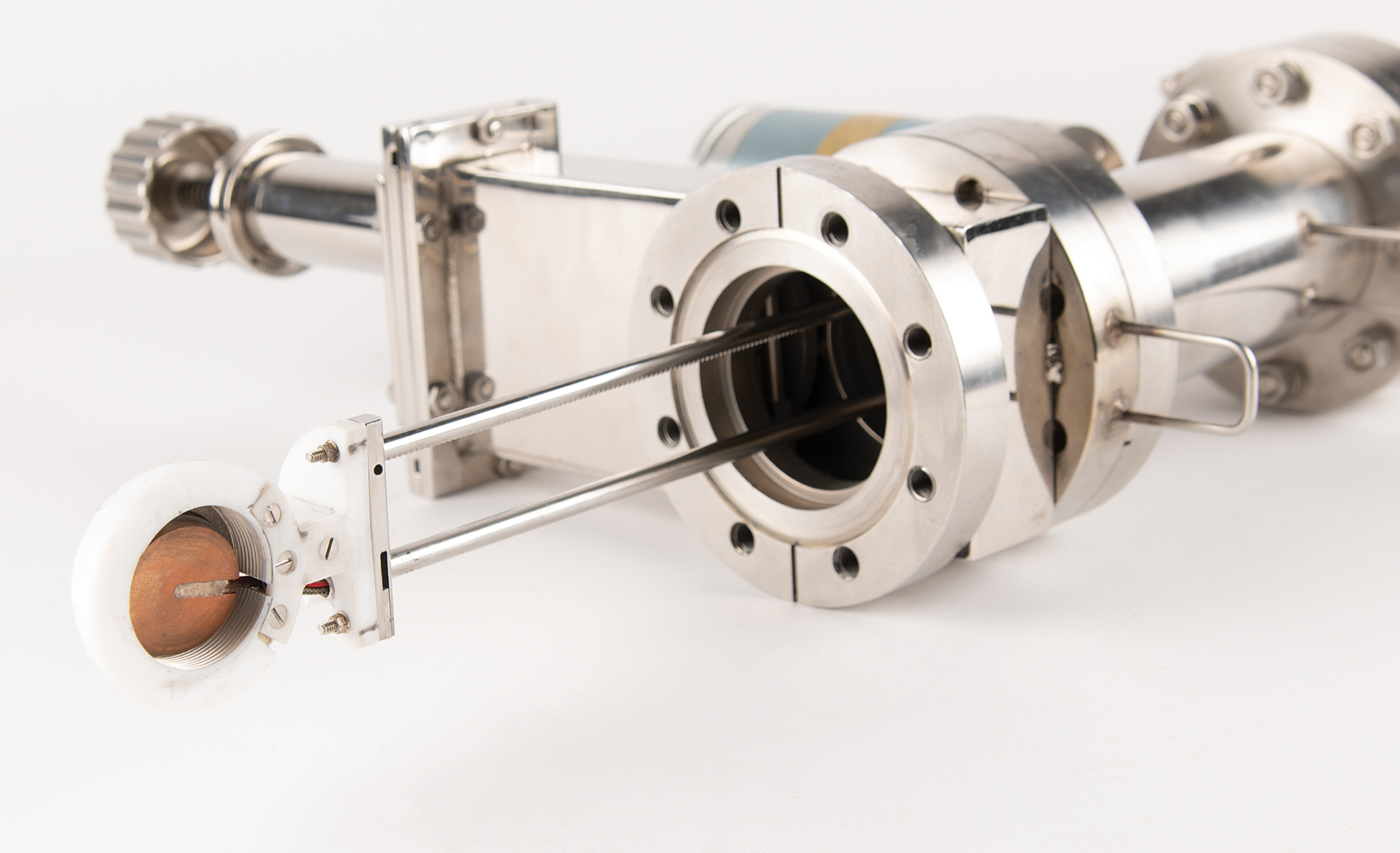
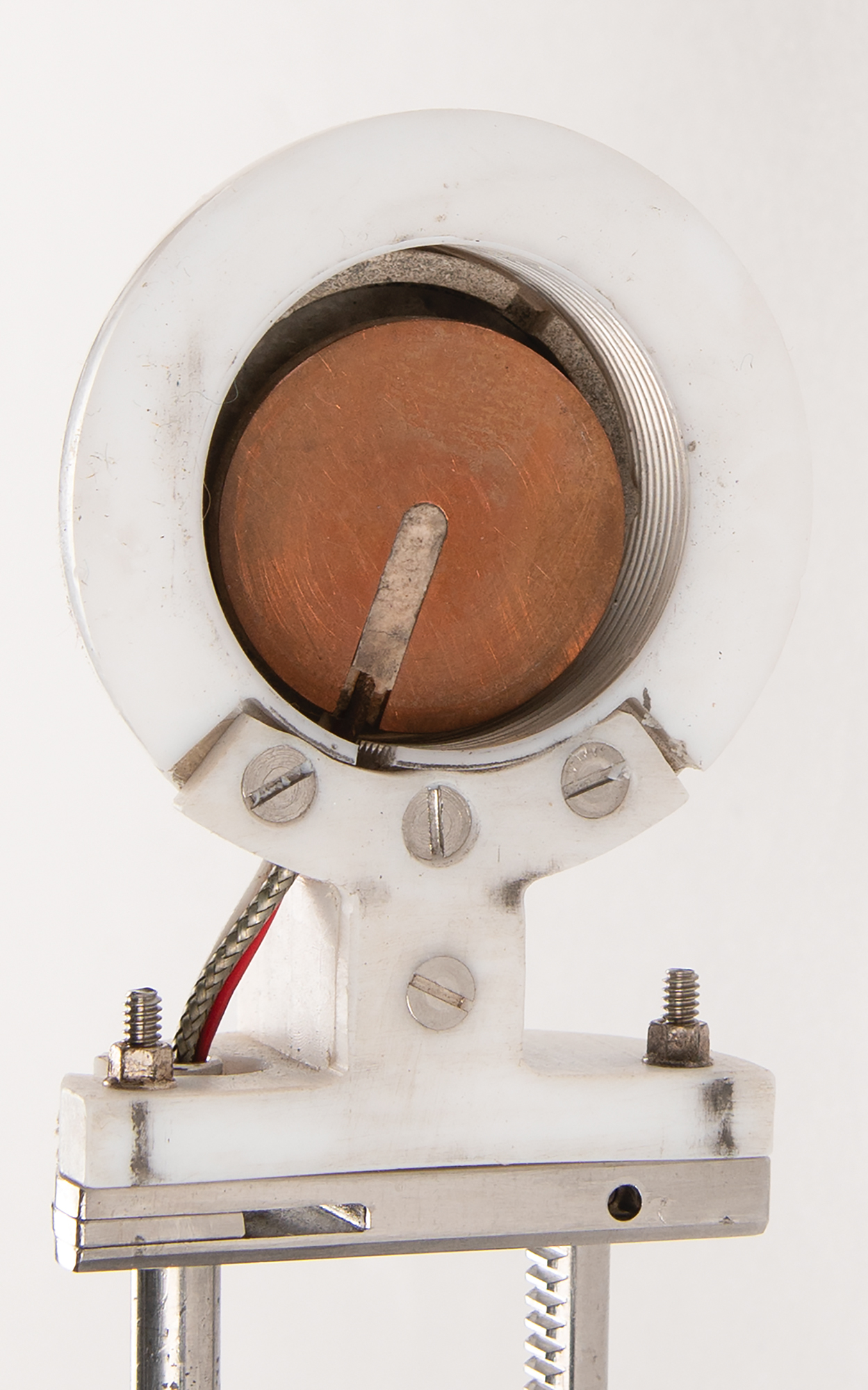
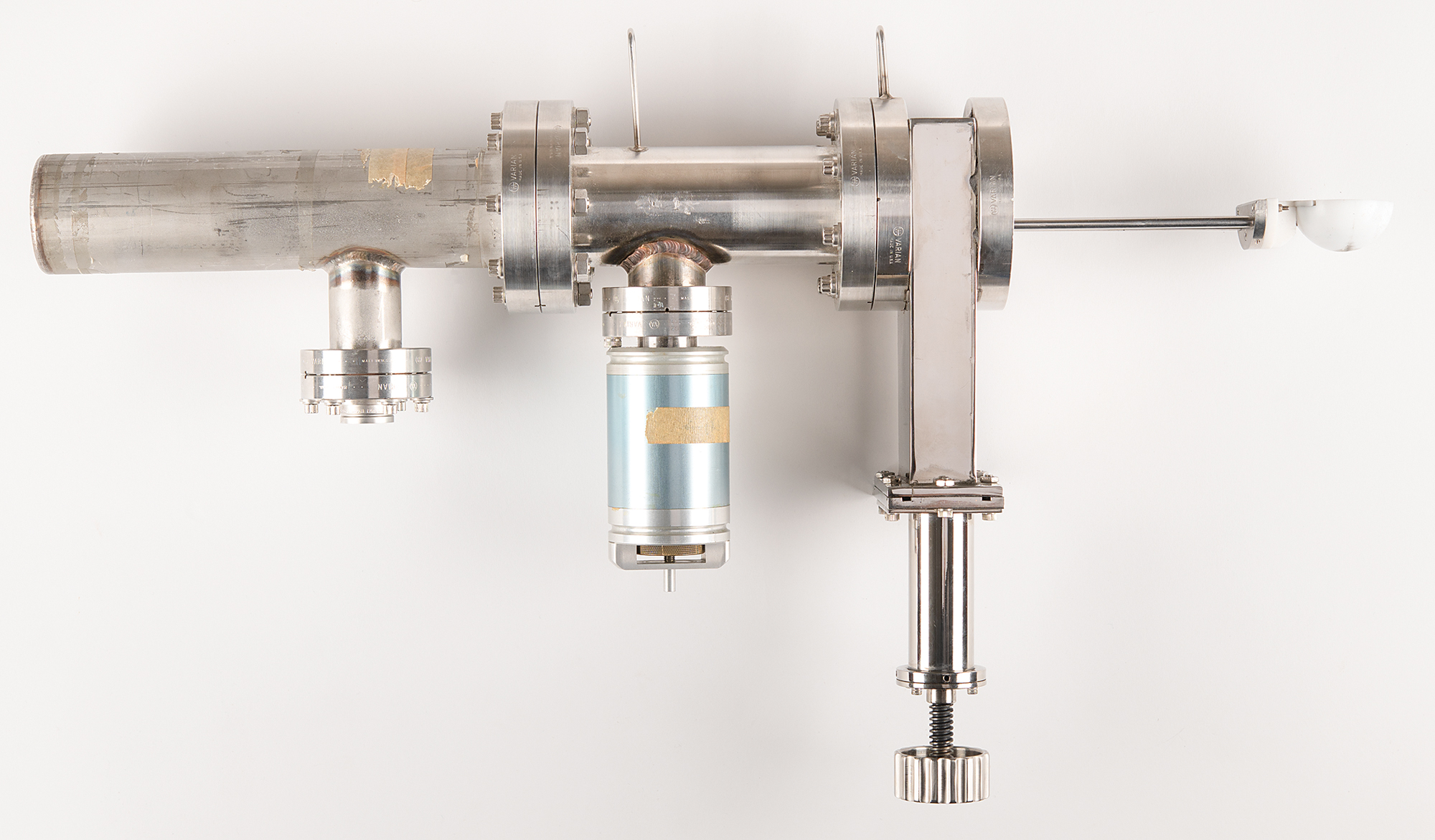
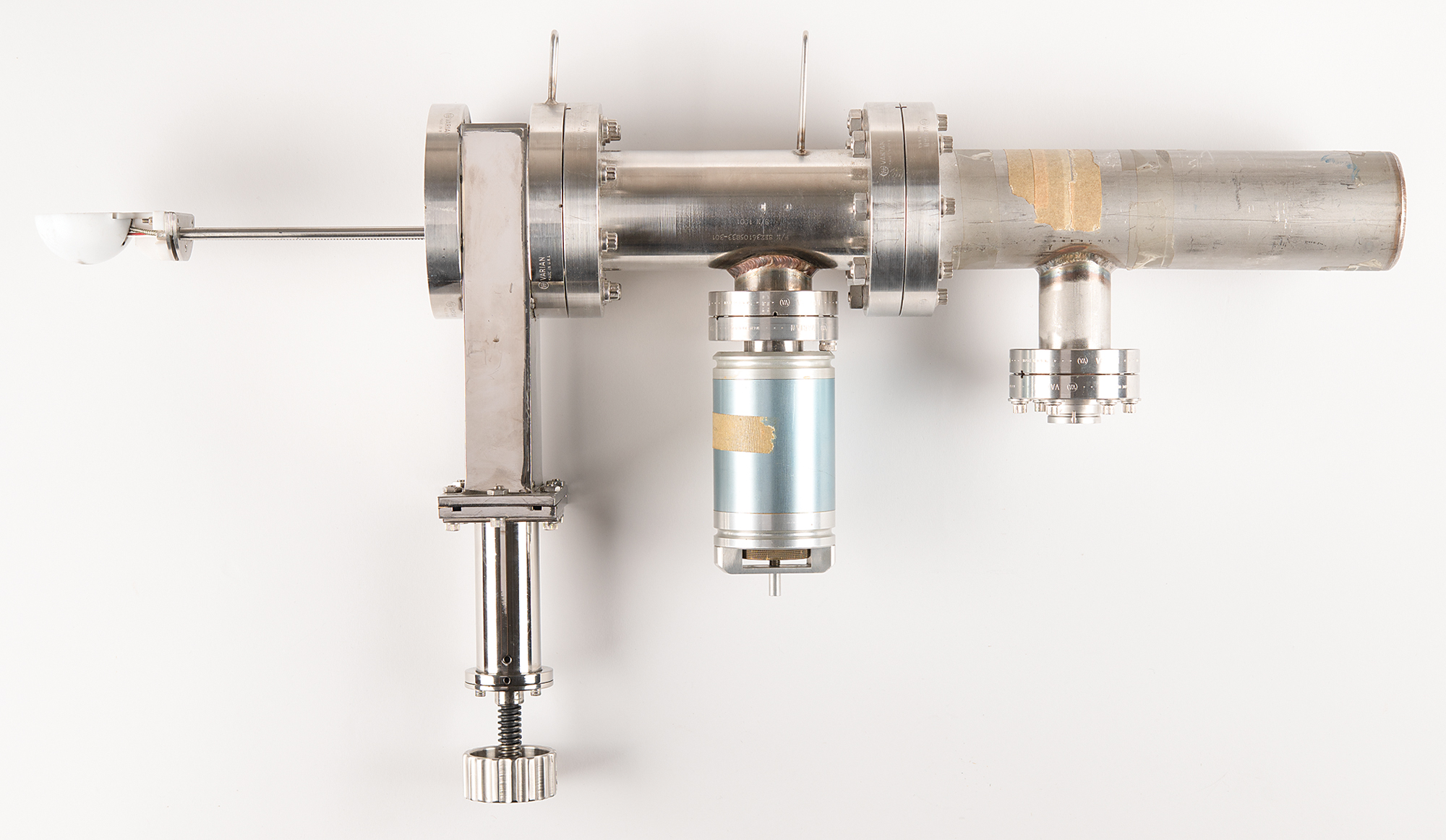
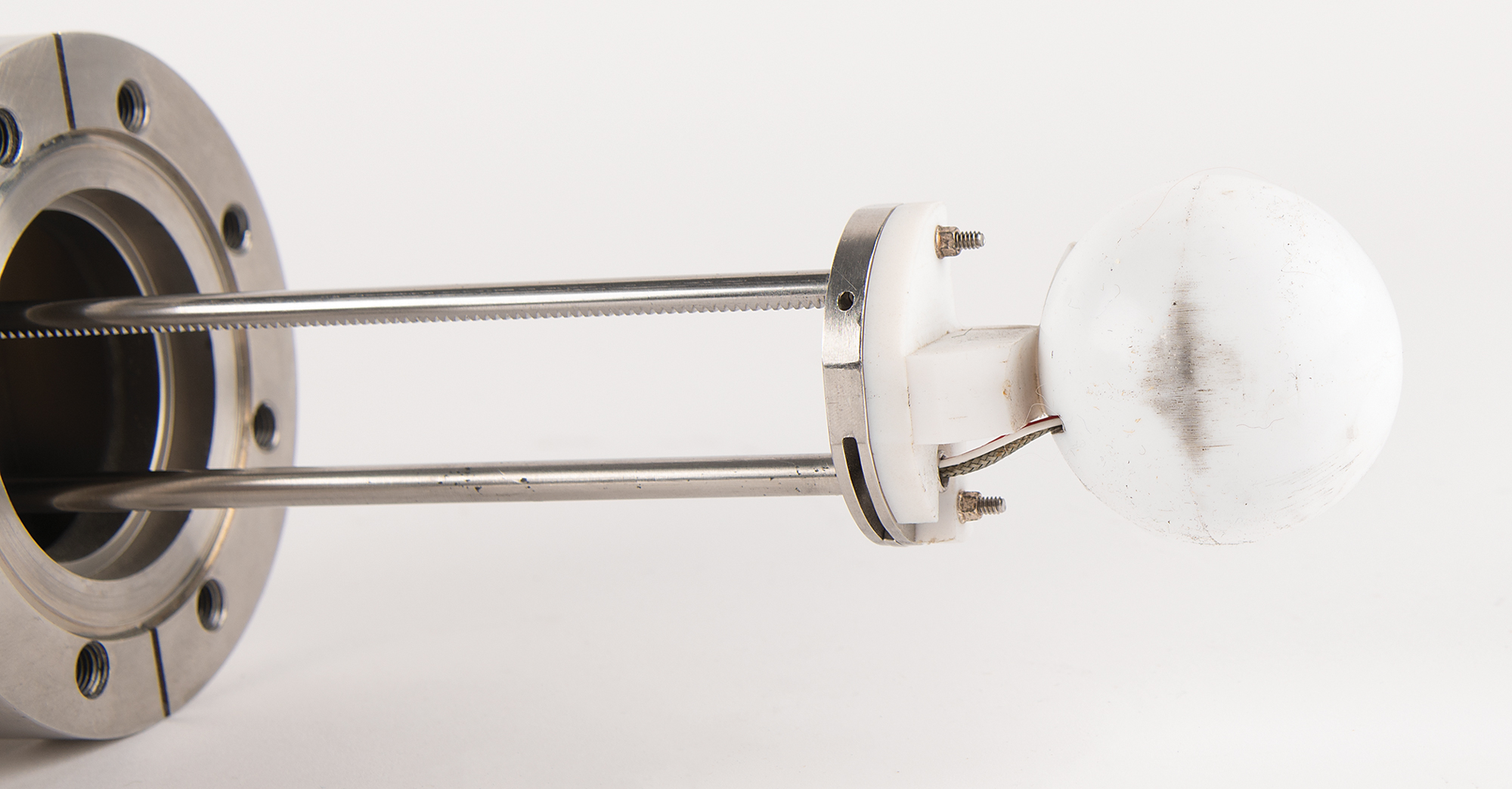
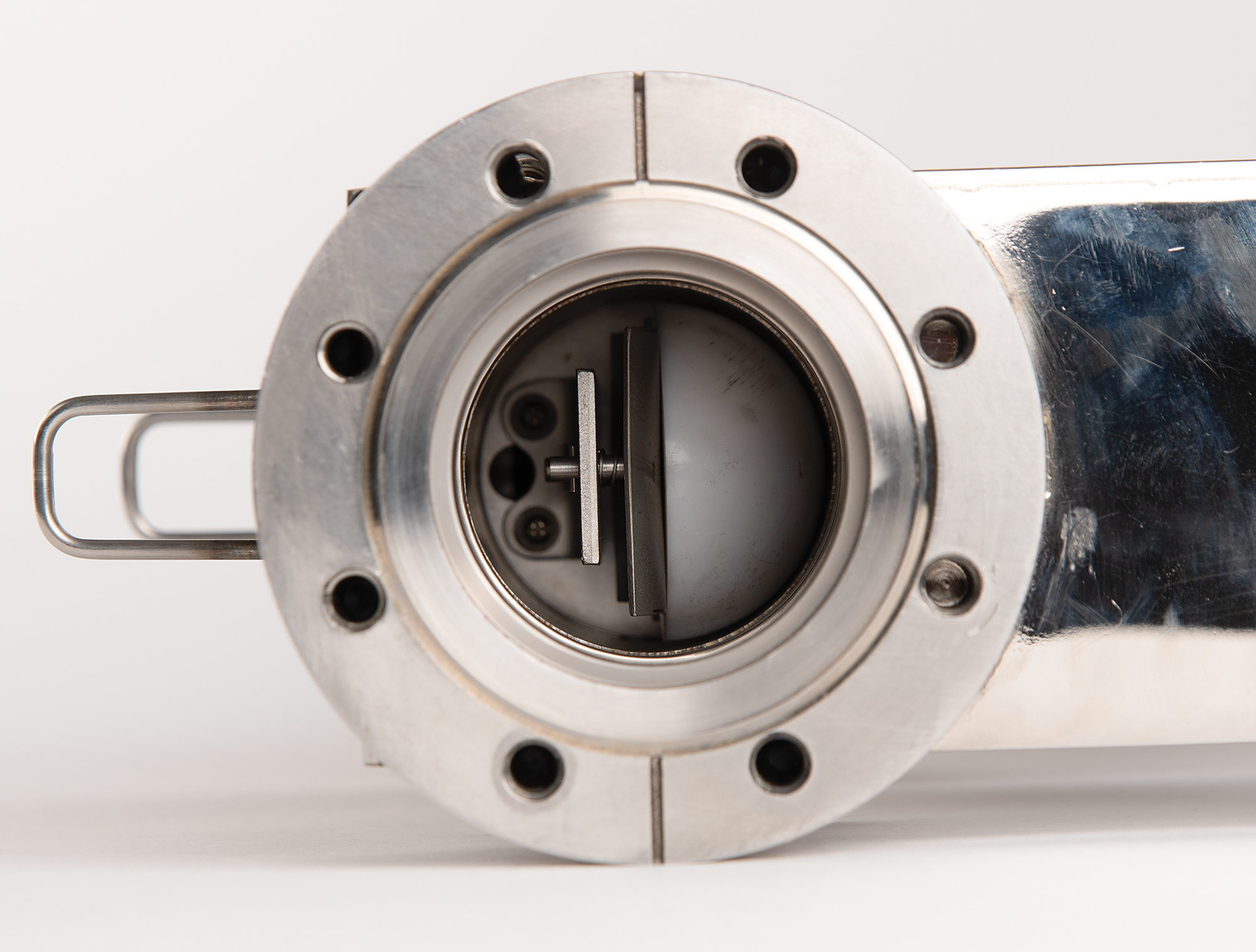
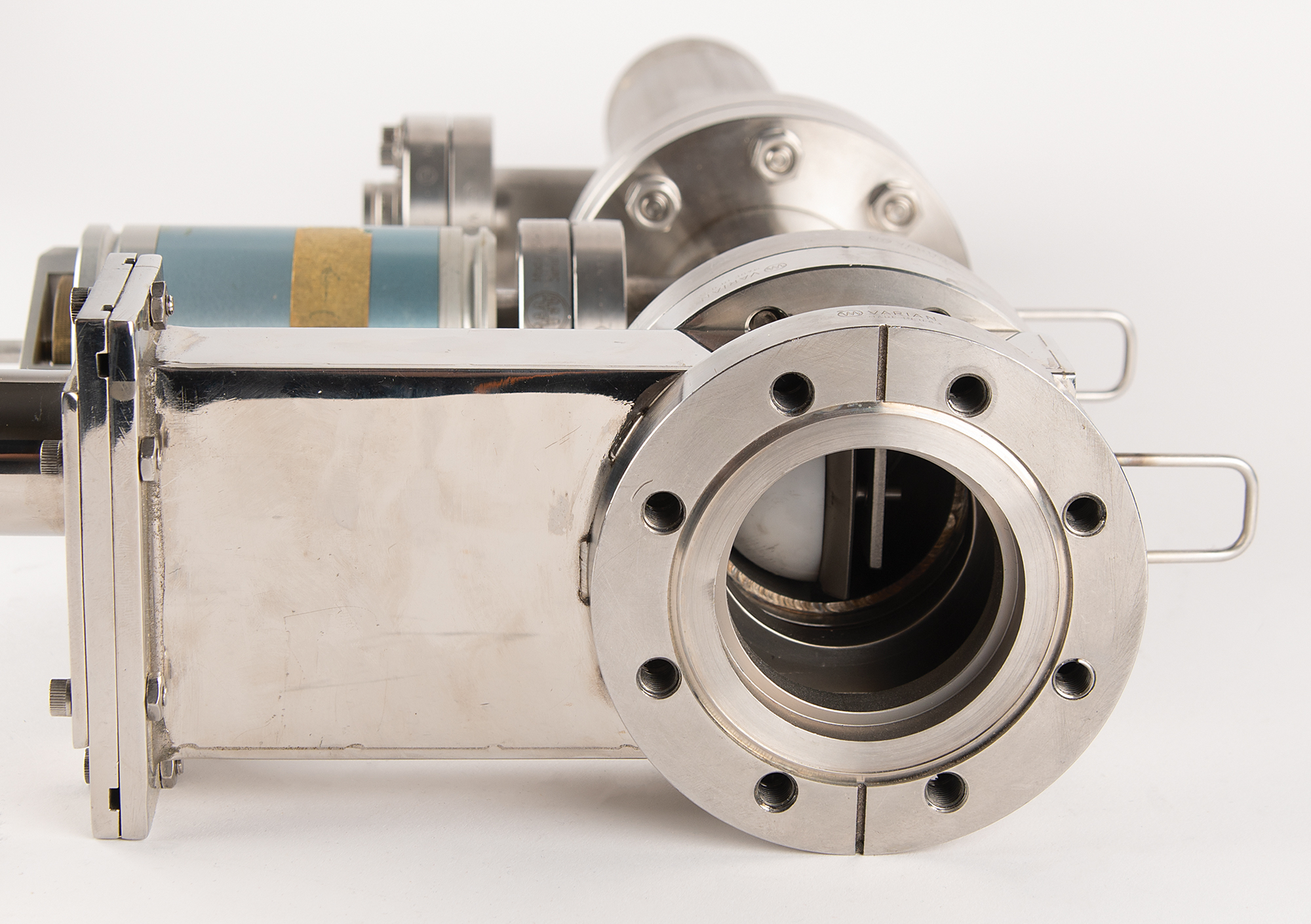
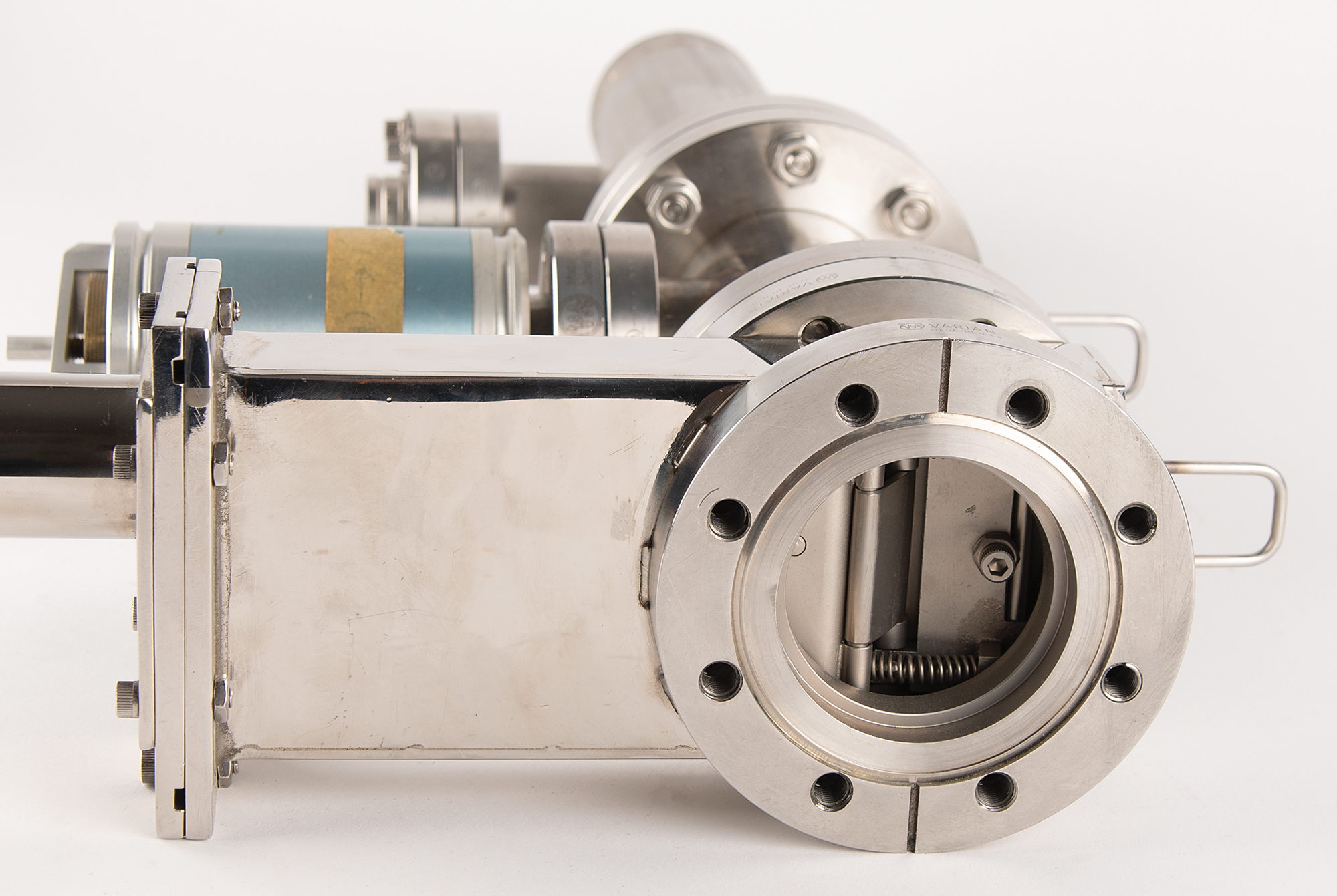
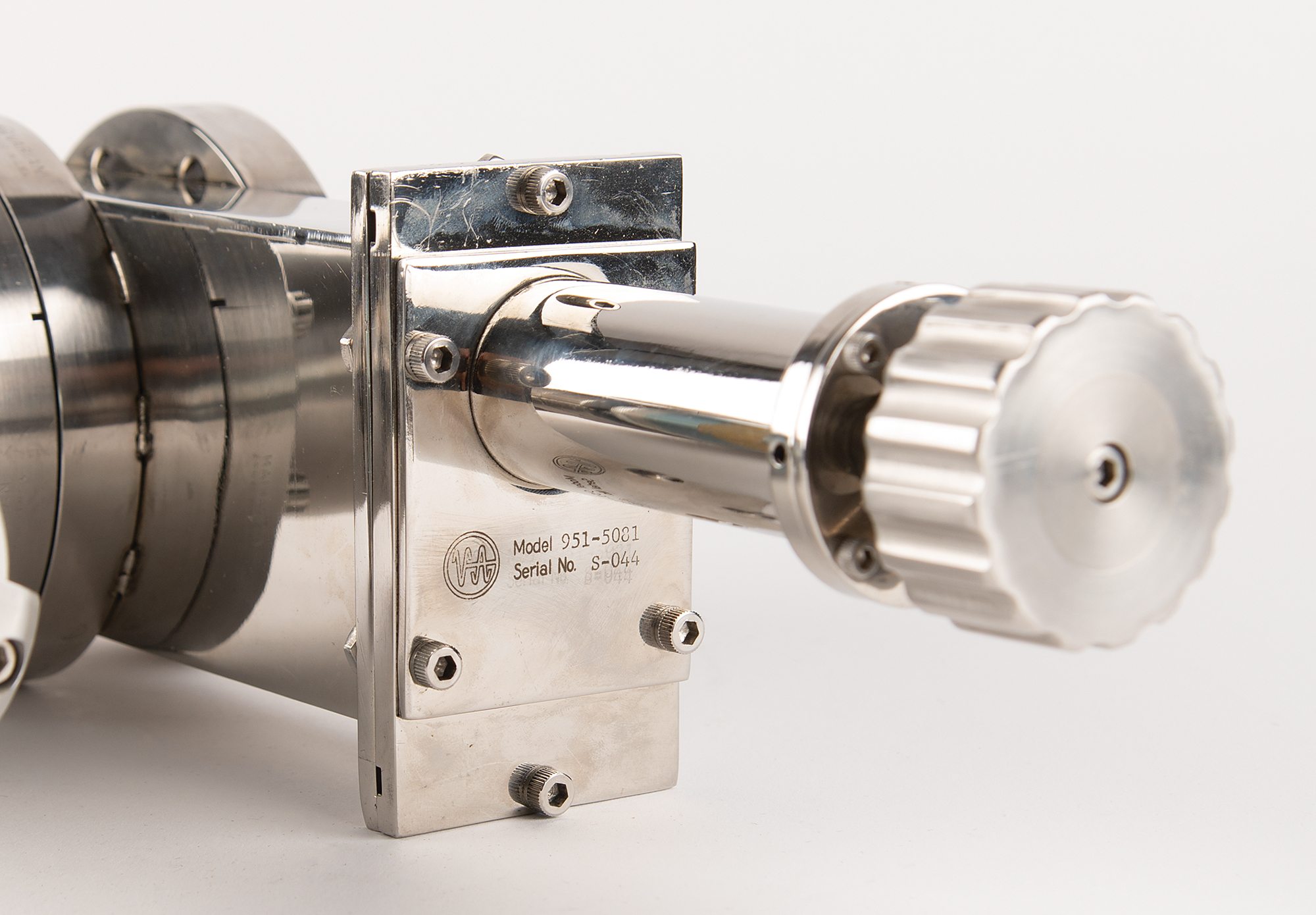
Vacuum handling system for lunar specimens built for use in the Manned Spacecraft Center's Lunar Receiving Laboratory, measuring approximately 20˝ x 15˝ x 4.5˝, designed to support concurrent transfer and transportation functions. The specialized tool carries the capability to transfer/transport returned powdered lunar samples, receiving the samples when connected to the LRL vacuum system, and then preserving vacuum conditions as the sample was transported in its white Teflon cup for experimentation. The white Teflon cup containing the lunar soil samples deploys from the right side of the device, and when retracted an airlock (Varian gate) closure seals the opening to preserve vacuum conditions. The system was used to transport lunar soil from the Lunar Receiving Laboratory to the University of Kentucky for analysis of the thermophysical properties of the material. Housed in a wooden transport case with NASA emblem on the front. In overall fine condition.
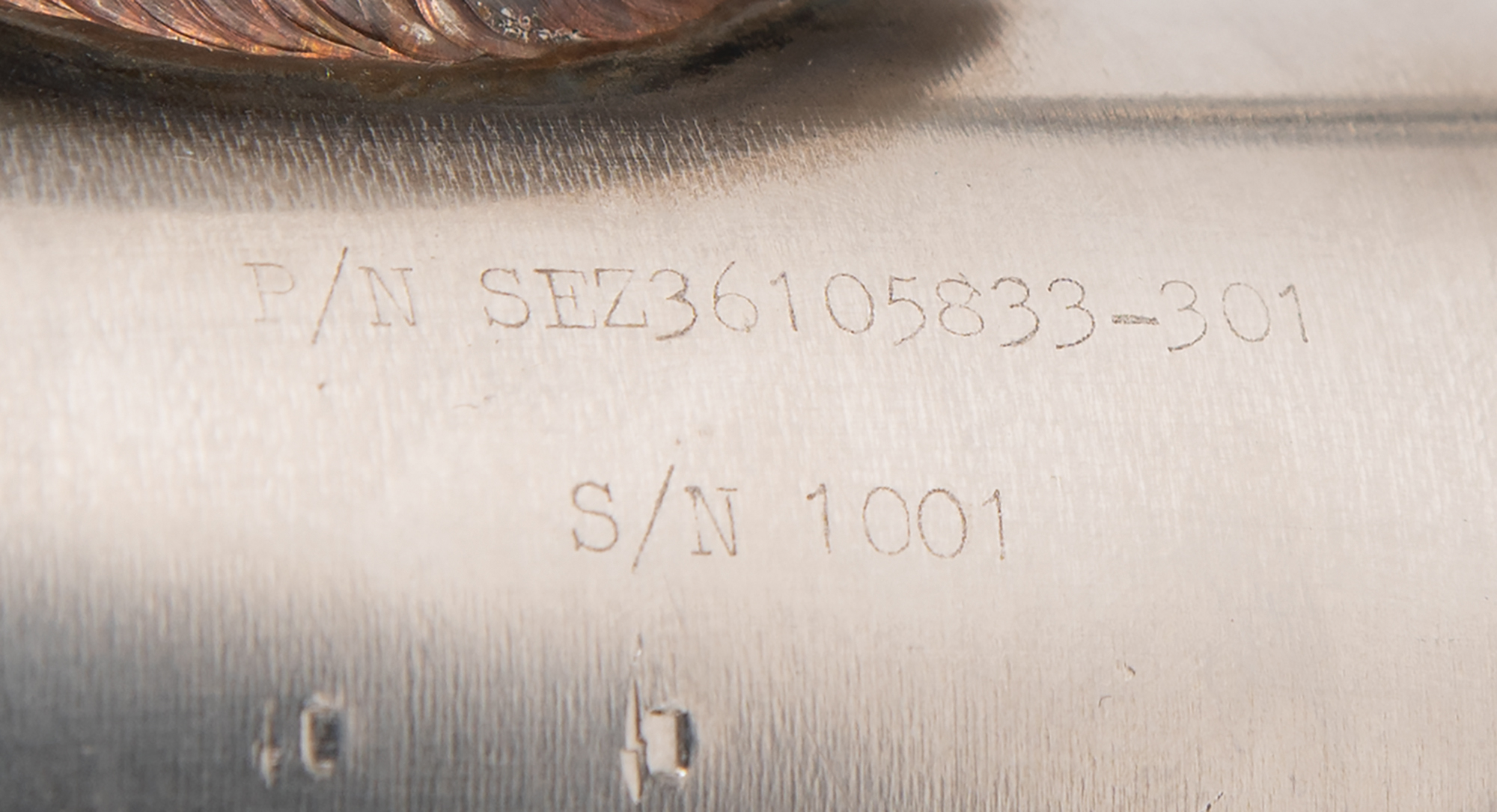
NASA Manned Spaceflight Center (MSC) Houston drawing number SEZ36105833-301 S/N (Serial Number) 1001 is engraved on the assembly (signifying the tool's LRL specification affiliation).
The white Teflon cup utilized to host and retain the powdered lunar regolith soil samples during transport and experimentation exhibits grey discoloration/staining.
The device is described in an article 'Vacuum Handing System for Powdered Samples' by Richard C. Birkebak and Clifford J. Cremers of the University of Kentucky, and William E. Lyons of the Manned Spacecraft Center, published in the November 1971 issue of The Review of Scientific Instruments, a photocopy of which is included. In the article, they note: 'The measurement of the thermophysical properties of lunar material from Apollo missions required that samples be supplied to us under vacuum conditions and be as free from contamination as possible…The entire system was constructed from 303 and 304 stainless steel and molded TFE fluorocarbon…The housing consisted of three sections: a vacuum gate valve and two cylindrical sections for housing the linear motion mechanism, magnetic feedthrough, sample cup, and electrical feedthrough and wires…The sample cup or holder was designed to hold a volume of powdered sample 25.4 mm in diameter x 12.5 mm in depth. The cup body was molded from TFE fluorocarbon which was then coated with an evaporated aluminum film to reduce radiant heat losses. The assembly contained a heating disk and thermocouple for sample temperature measurements. Additional thermocouples and guard heaters could be installed if desired. Braided lead wires were used to reduce to a minimum wire failures due to repeated cup movements…A spring loaded cover prevented sample spillage when the sample cup was in the closed position…In general, the above vacuum system has functioned well and has met all design criteria.'