The 30 Minute Rule begins April 23 at 7:00 PM EDT. An Initial Bid Must Be Placed By April 23 at 6:00 PM EDT To Participate After 6:00 PM EDT
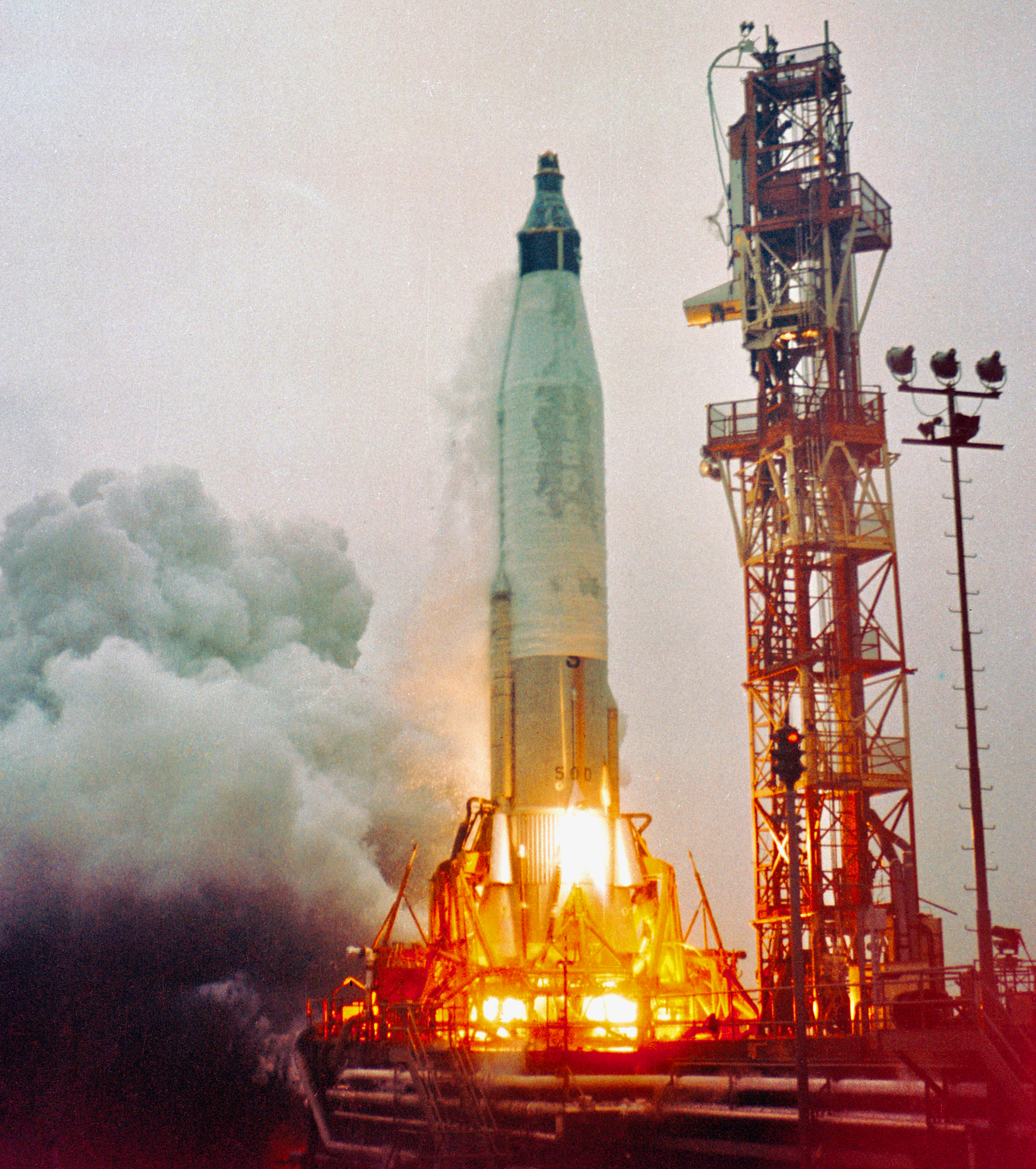
On July 29, 1960, the seven Mercury astronauts watched the first test flight of their Mercury spacecraft at Cape Canaveral. But 58 seconds into flight, MA-1 exploded.
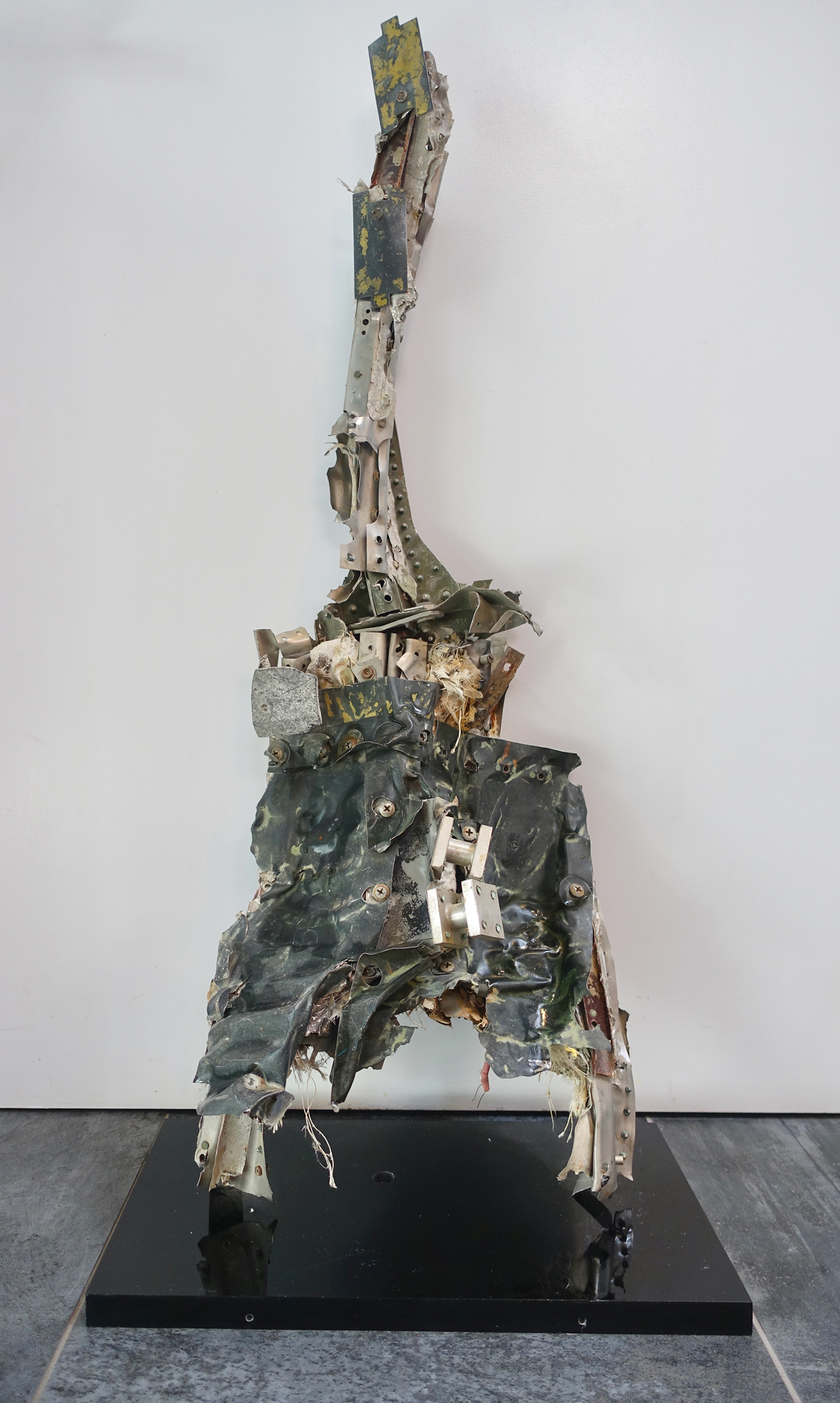
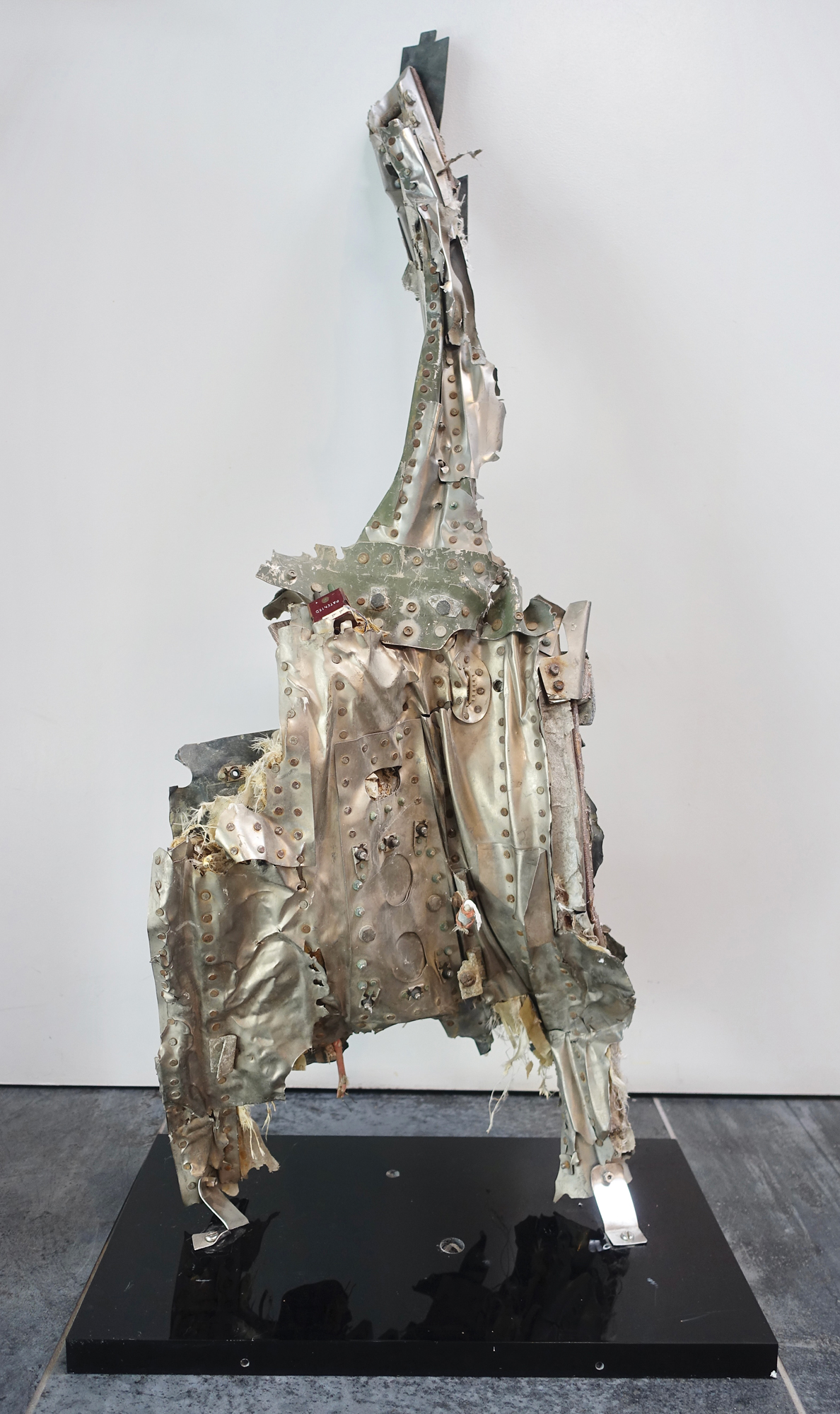
Here is a large 31”-tall chunk of the inner titanium structure and nickel-chrome alloy outer skin, twisted from the violence of its demise, and recovered from the sea bottom. The artifact's deformation attests to MA-1's catastrophic failure, capturing the violence of a high velocity airborne breakup and subsequent impact with the sea.
If successful, MA-1 would have given America a fighting chance of beating the cosmonauts to orbit. Excitement ran high as the countdown progressed. Rain lashed Launch Complex 14 as the Atlas rocket's three engines roared to life. MA-1 disappeared into low-hanging clouds. All systems nominal when mission control suddenly lost radio contact with the Atlas as it climbed past 30,000 feet. Contact with the Mercury capsule continued until it crashed seven miles off the Cape.
As thousands of fragments rained from the clouds, astronaut Alan Shepard calmly turned to the red-faced engineers and asked, 'You're going to fix that, aren't you?'
The MA-1 failure caused many to question NASA's decision to launch men on Atlas rockets. While some sought to place blame, engineers got to work analyzing the problem. The cloud cover meant that no one saw the Atlas fail. Engineers had to look for clues as to what went wrong in recorded telemetry and among MA-1 fragments like these recovered from a search of the ocean bottom.
After six months of detective work, they concluded that the Atlas ICBM weight trimming had gone too far. The failure had occurred near 'Max Q' when maximum aerodynamic pressure rattled MA-1. The thin-skinned adapter ring linking capsule to rocket had crumpled under the strain. Engineers added a reinforcing eight-inch-wide 'belly band' of steel to the adapter ring on Mercury-Atlas 2, and NASA breathed a big sigh of relief as MA-2 accomplished all its planned mission objectives.
Alan Shepard went on to become the first American to fly the Mercury spacecraft into space, 40 weeks after seeing MA-1 destroyed, and just 23 days after the Russians famously sent the first human into orbit.
This piece will be packaged and shipped from California; the buyer is responsible for all associated costs.