The 30 Minute Rule begins April 23 at 7:00 PM EDT. An Initial Bid Must Be Placed By April 23 at 6:00 PM EDT To Participate After 6:00 PM EDT
One of the primary technology developments during Apollo concerned the electrical systems, and they became a focal point of the Apollo 13 rescue mission, from the explosion in the Service Module fuel cell oxygen tank to the resulting need to conserve energy and shift to the LM as a lifeboat.
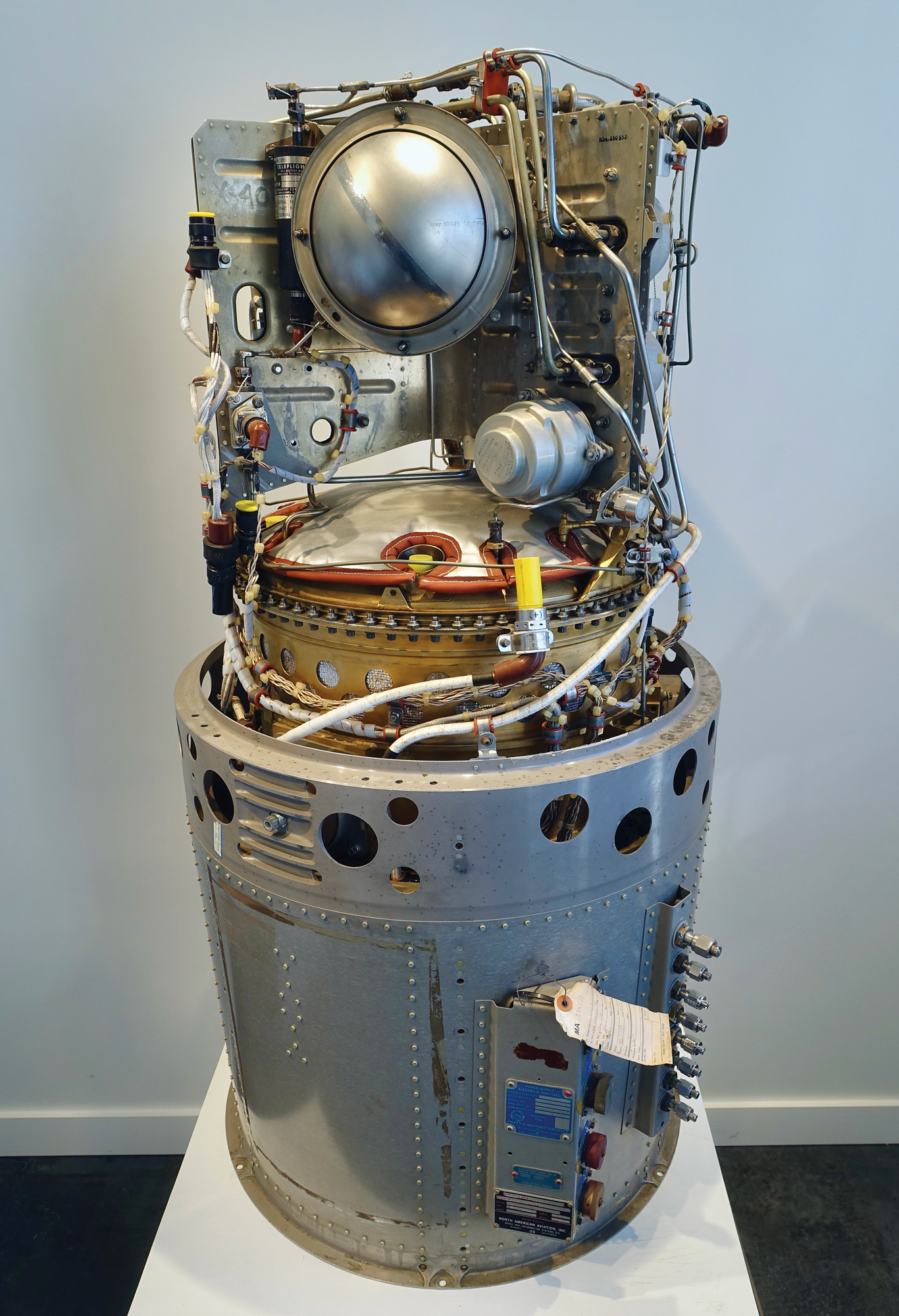
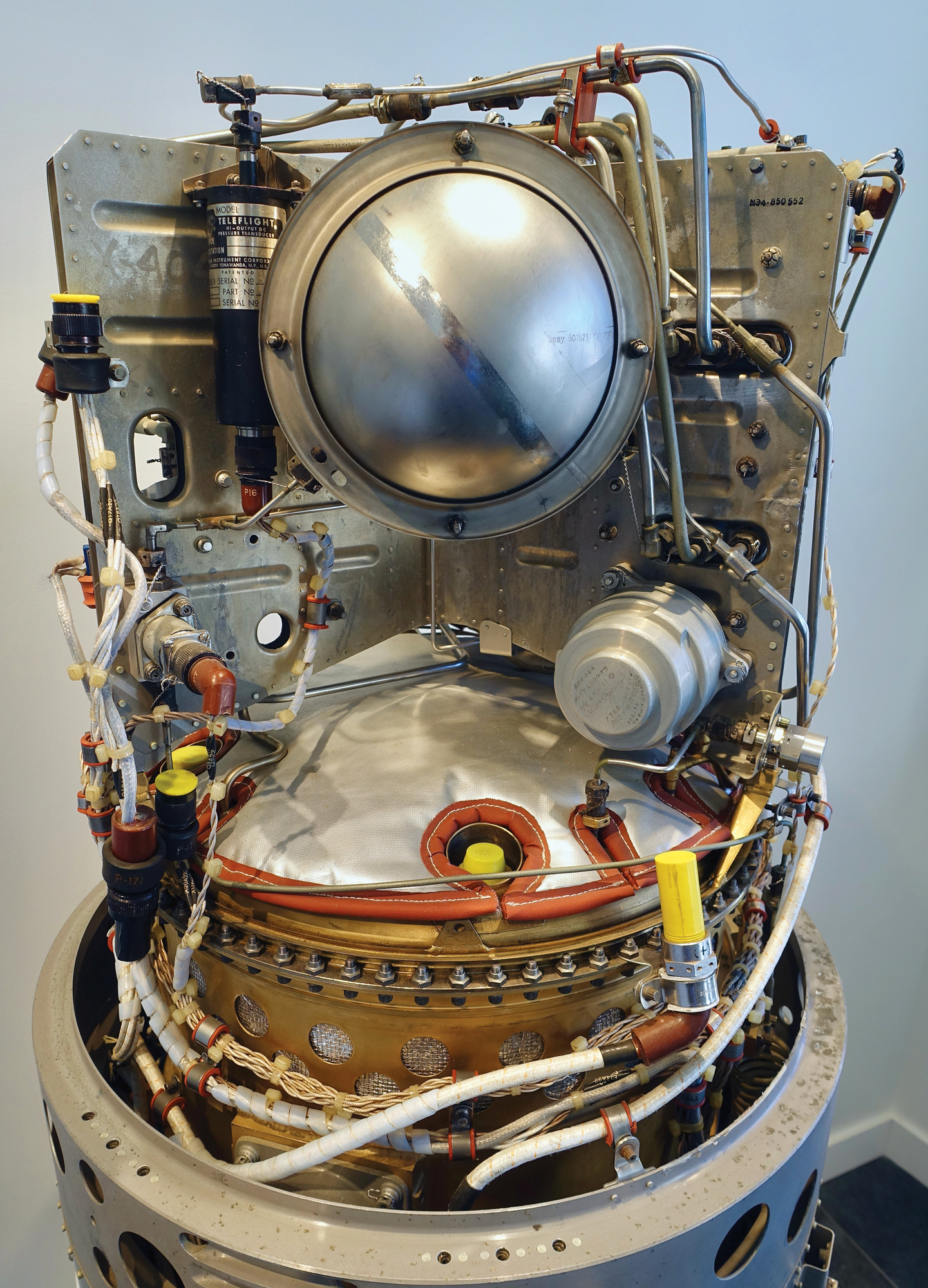
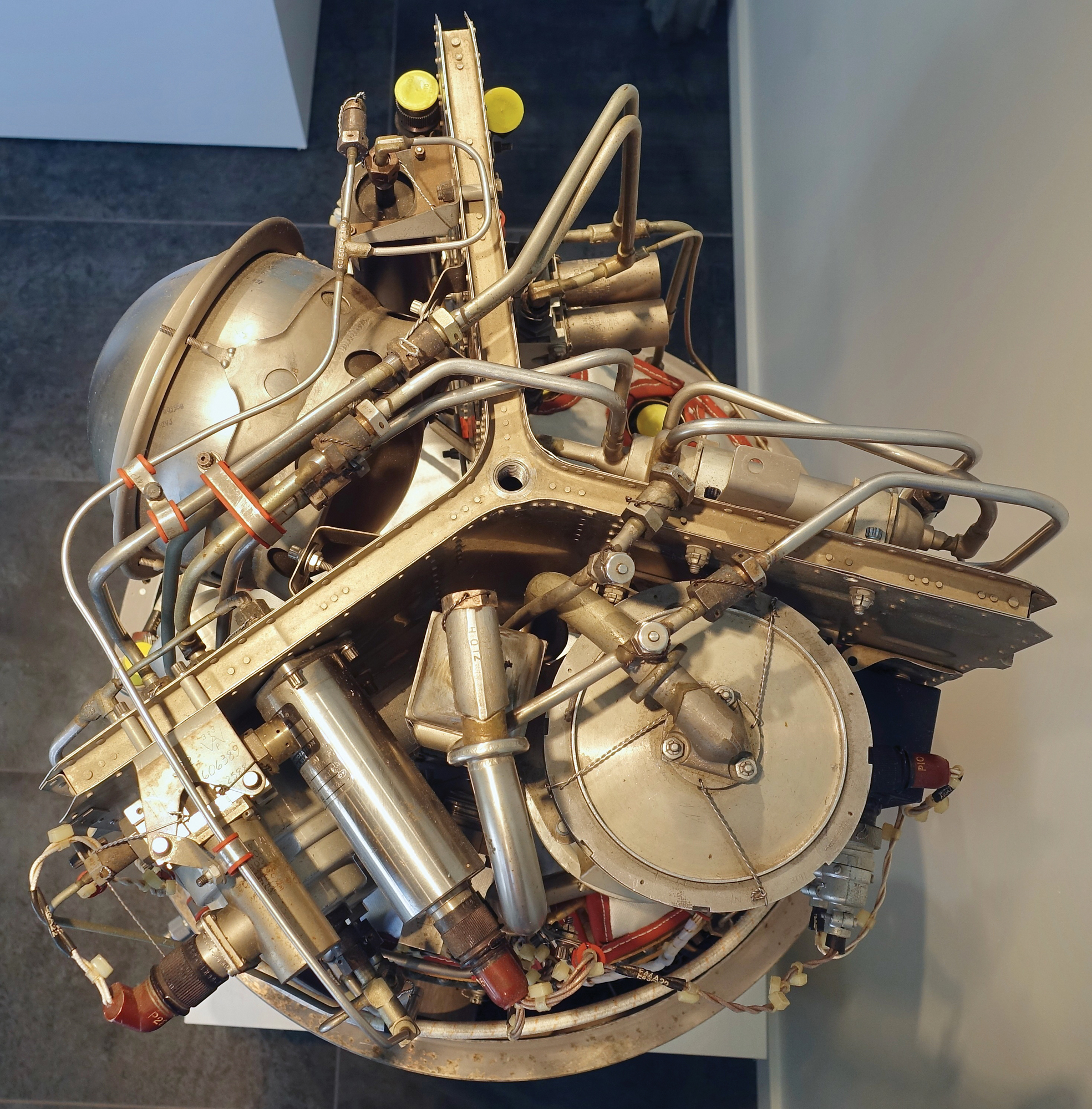
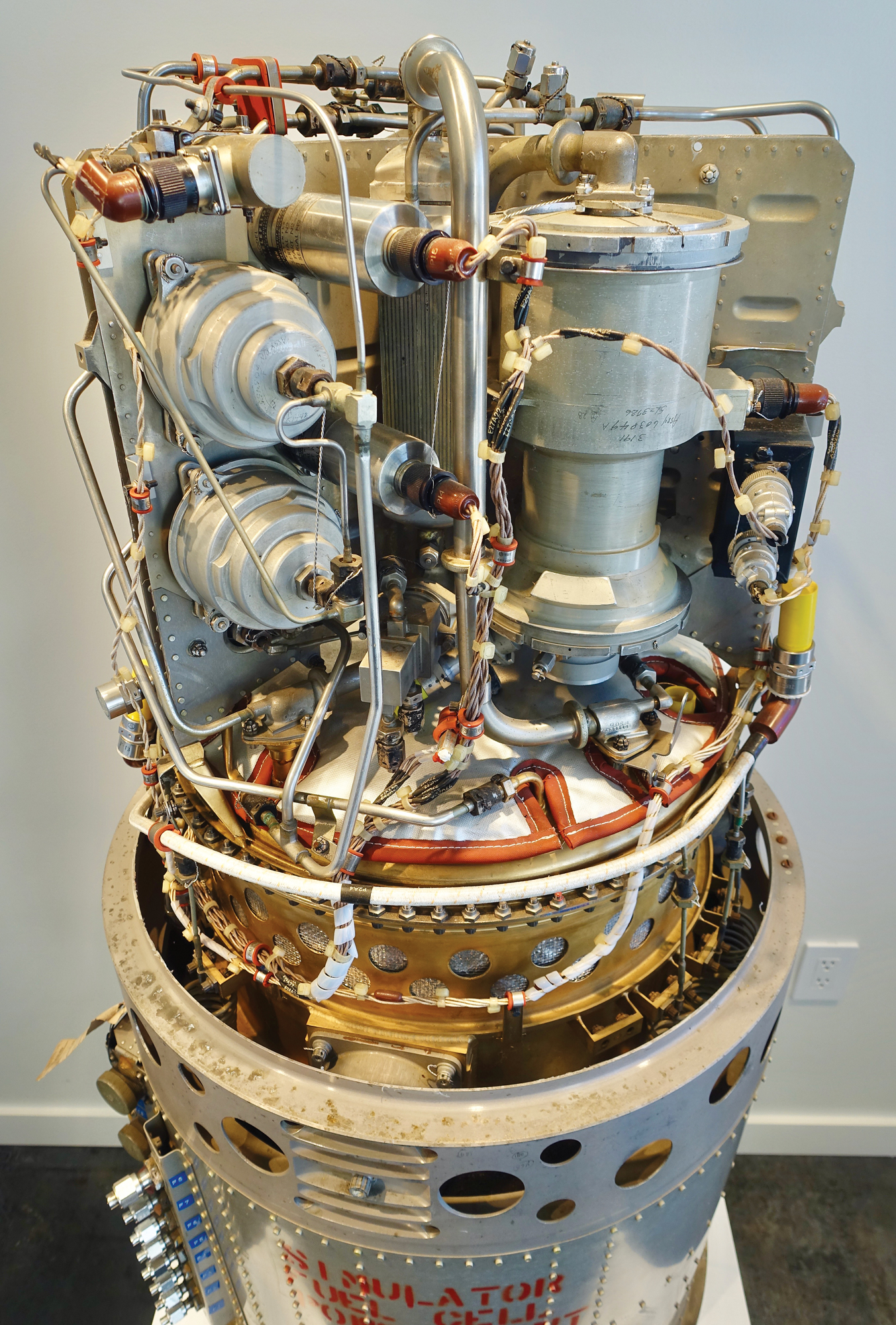
One interesting technology development that started in the Gemini program, with an eye to the needs of the Apollo spacecraft, was the electric fuel cell. This is a vintage Apollo Fuel Cell Power Plant. It's not only critical enabling technology for Apollo but also the first instantiation of a practical Alkaline Fuel Cell and a progenitor for fuel cell technology to follow.
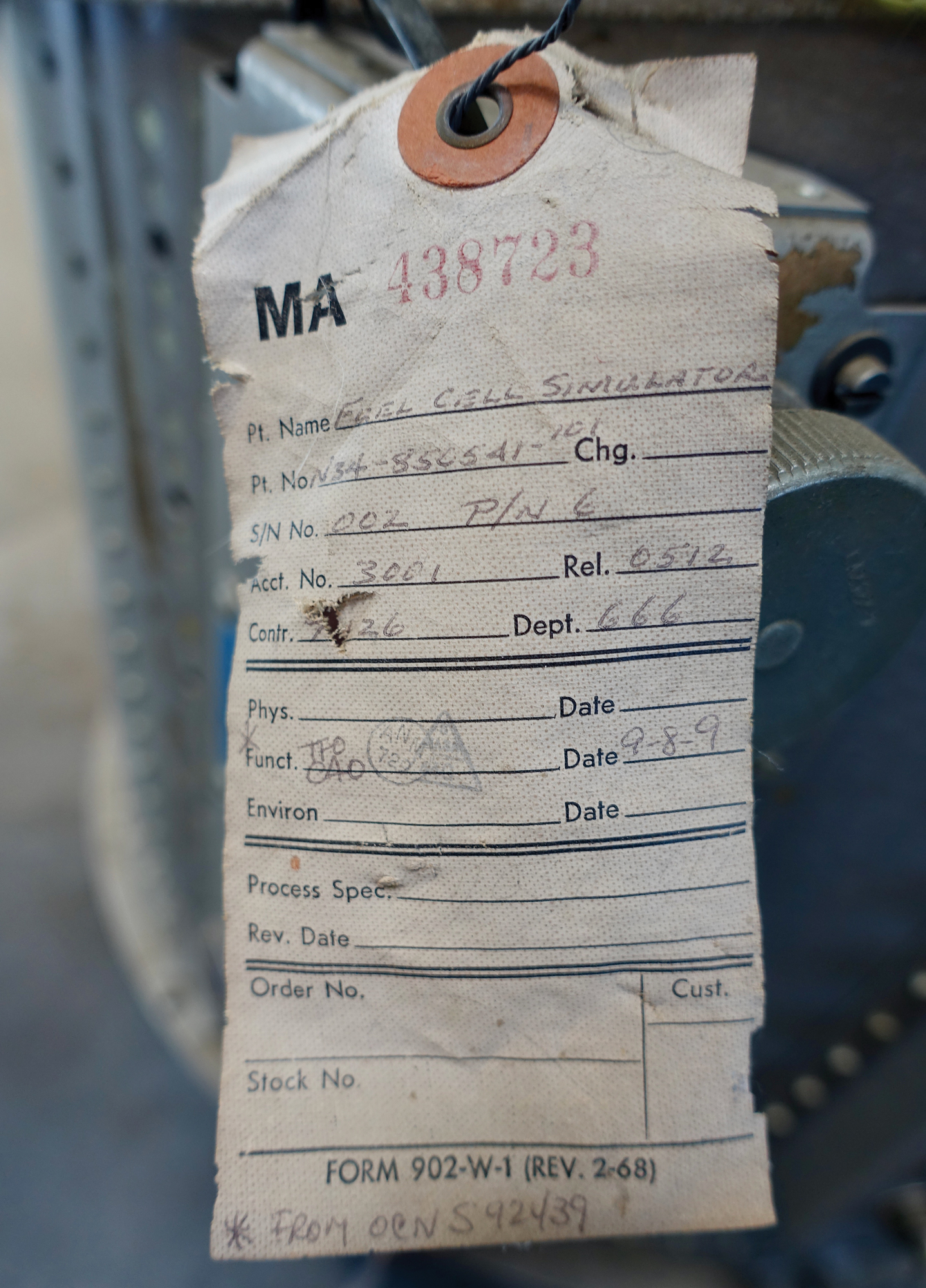
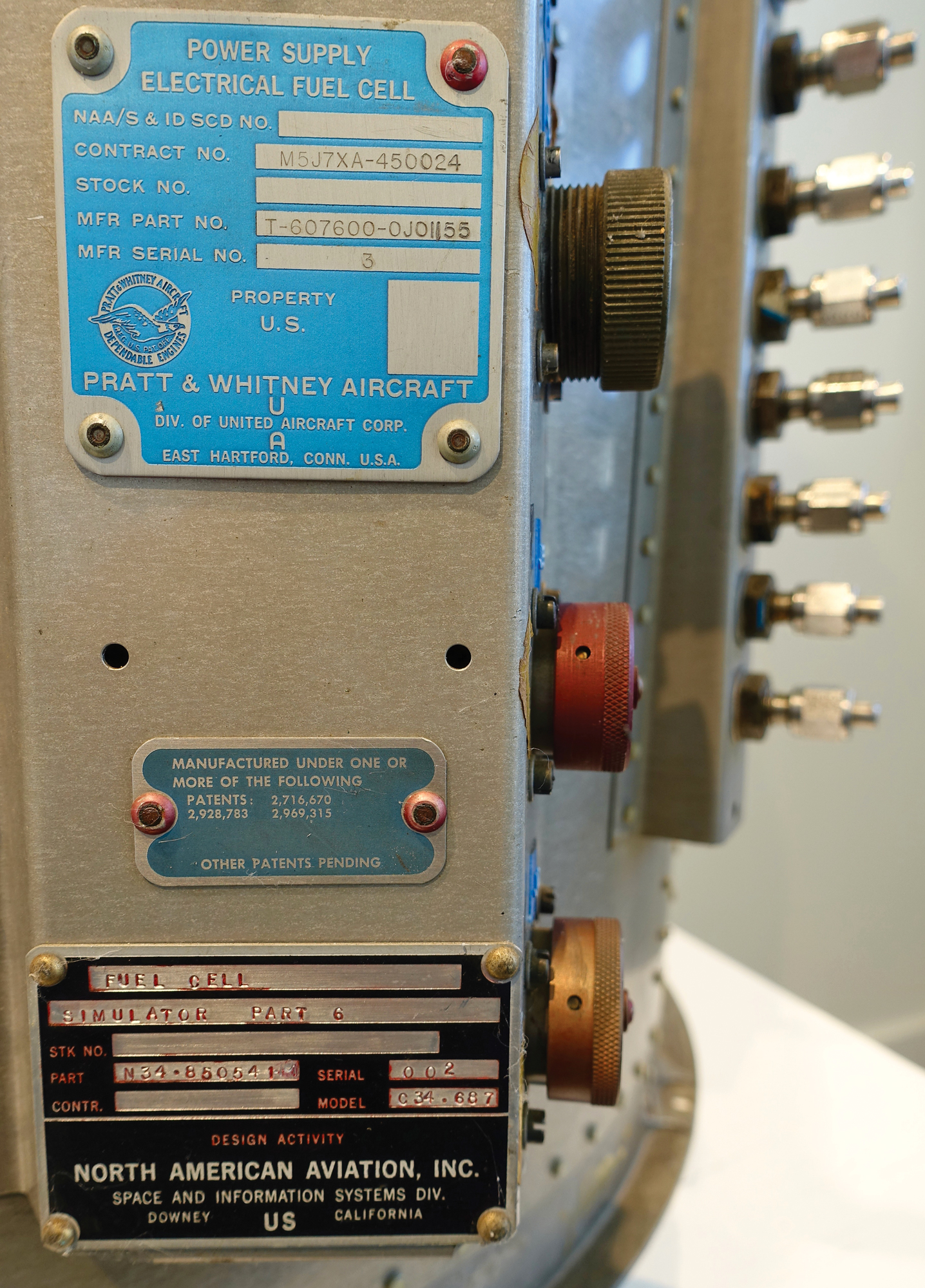
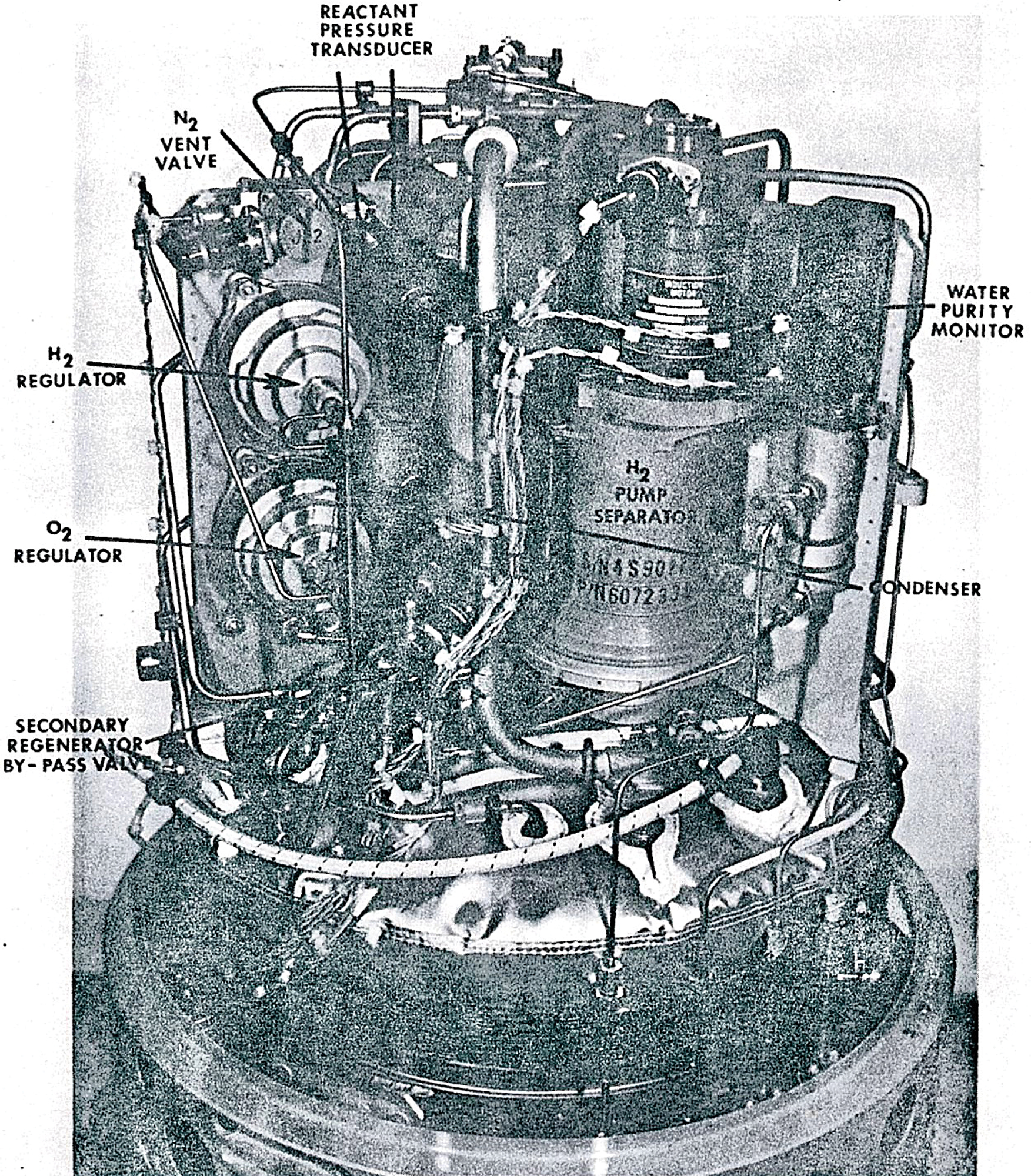
Apollo CSM Fuel Cell Serial Number 3, one of the triad used in the Ground Testing Simulator to test all of the electrical systems in development for Apollo. With electrical and liquid oxygen and hydrogen connectors on the side panel, the unit measures 22” in diameter and 43” tall, with a weight of approximately 200 lbs. Manufactured by Pratt & Whitney Aircraft Corp under subcontract for North American Aviation. This particular fuel cell is Serial Number 3 from the simulator, with a Feb. 1968 edition part tag with a functional test noted for 9/8/69. It is identical to the flight unit, but with additional simulator functionality and interfaces. Having a power source similar to the flight item was essential to test all of the other electrical systems for Apollo. Red letters on the side read “Simulator Fuel Cell Power plant.”
This fuel cell has been modified with a simulator interface to replicate/check some of the mechanical, electrical and fluid exchanges between the power plant and the rest of the CSM Environmental Control System (ECS), otherwise it’s identical to flight. This configuration is what is currently on display at national institutions (Smithsonian NASM, New Mexico Museum of Space History and the USSRC). Its function was as part of a Fuel Cell simulator package used to validate that the Service Module interfaces were properly functional (control, power, reactants, water output) at North American prior to installation of the flight fuel cells.
The three fuel cell power plants in the Service Module combined hydrogen and oxygen to generate electricity onboard. The waste stream of the fuel cell is pure water, which was used for consumption by the crew.
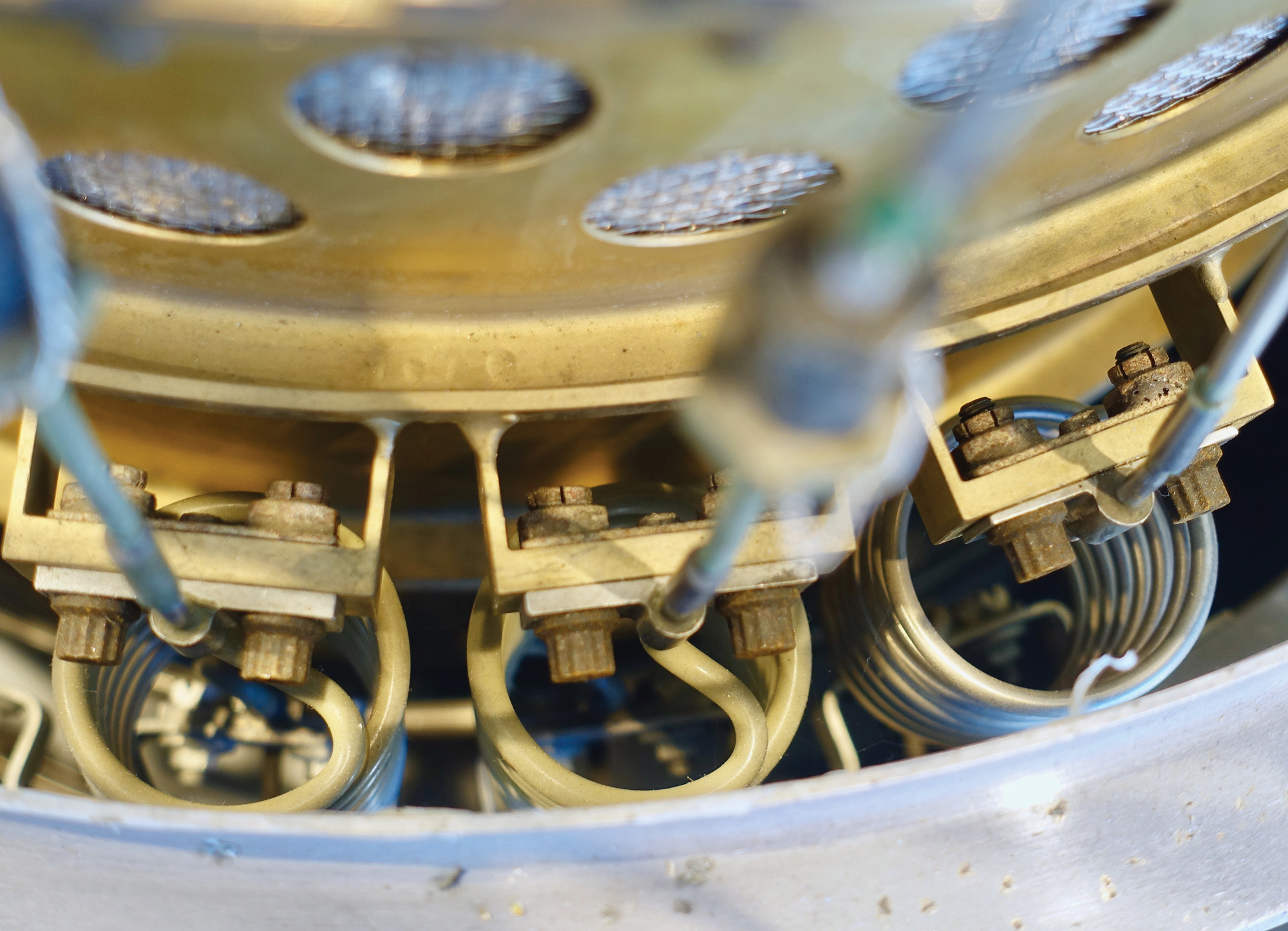
On the inside are 31 individual fuel cells, connected in series, which operate at 27 to 31 volts. Normal power output is 563 to 1420 watts, with a maximum of 2300 watts. Primary construction materials are titanium, stainless steel, and nickel.
Here are some descriptive passages from How Apollo Flew to the Moon, 2011, p.185:
“The adoption of the fuel cell in Apollo killed two design quarries with one stone. Not only did it produce lashings of electricity, the water it produced became a sort of lifeblood of the spacecraft. It quenched the thirst of the crew and rehydrated their food in metered amounts through a pistol-style squirt gun on the end of a hose. It also supplemented the cooling of the spacecraft’s electronic equipment by being evaporated into space, taking heat with it.
Although it could reach efficiencies of 70%, the reaction still yielded significant amounts of heat. Some of this was used to warm the extremely cold reactants before they entered the cell; the rest was rejected through eight radiator panels around the upper circumference of the service module.
Apollo 13’s oxygen tank explosion notwithstanding, no Apollo flight suffered from a failure of their fuel cells."
This piece will be crated and shipped from California; the buyer is responsible for all associated costs.