The 30 Minute Rule begins May 21 at 7:00 PM EDT. An Initial Bid Must Be Placed By May 21 at 6:00 PM EDT To Participate After 6:00 PM EDT
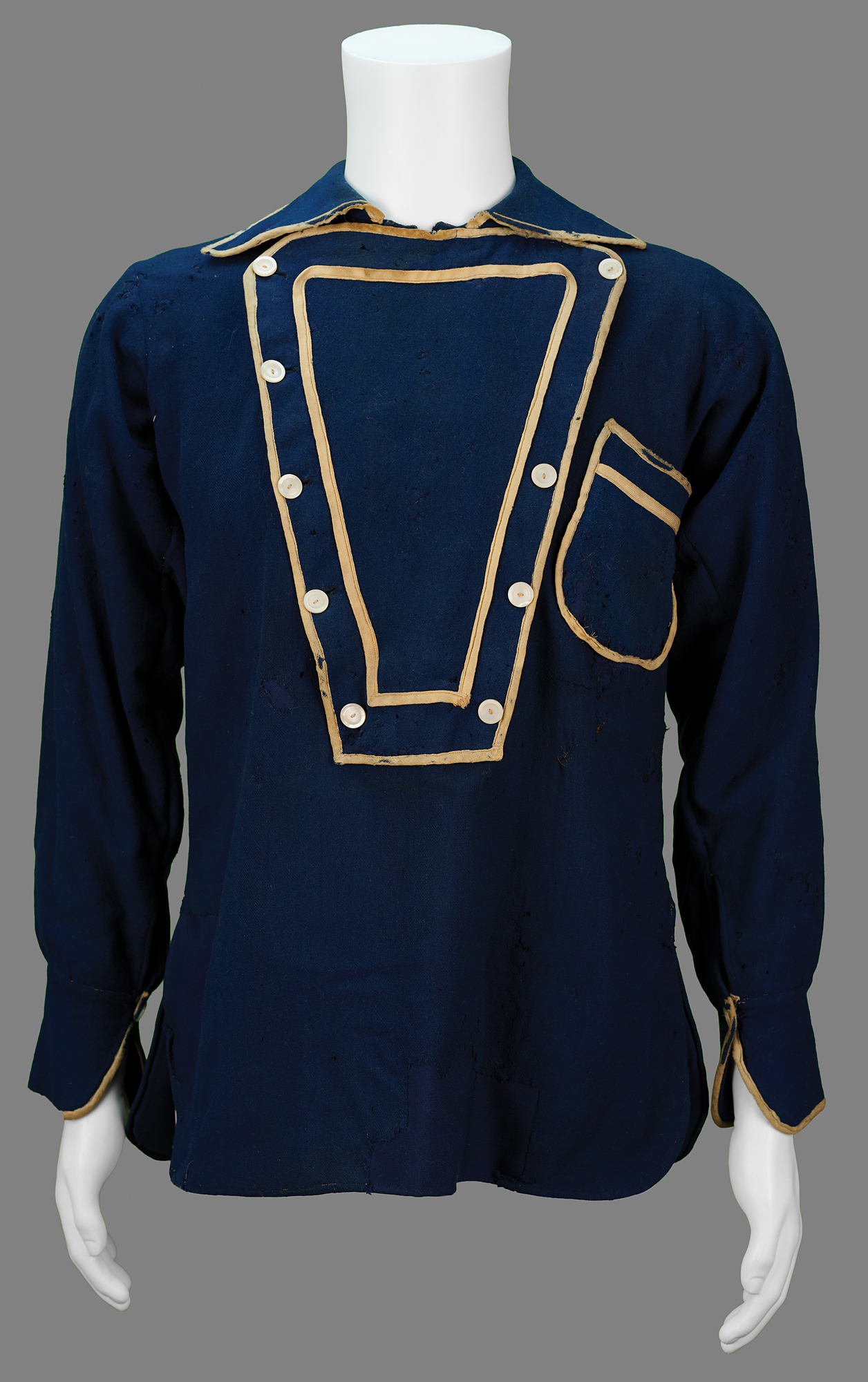
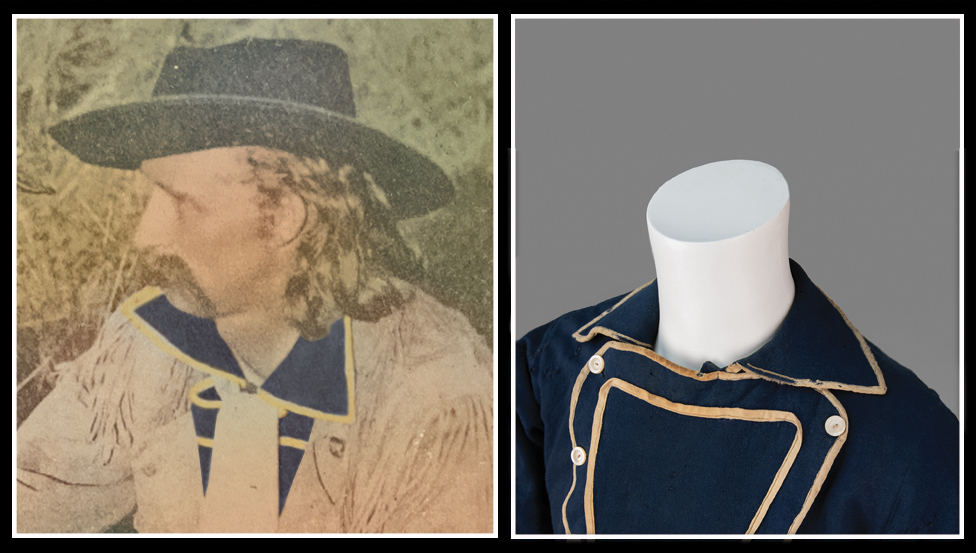
UPDATE: A signed photograph of Custer wearing this wool bib shirt is offered as Lot 6027.
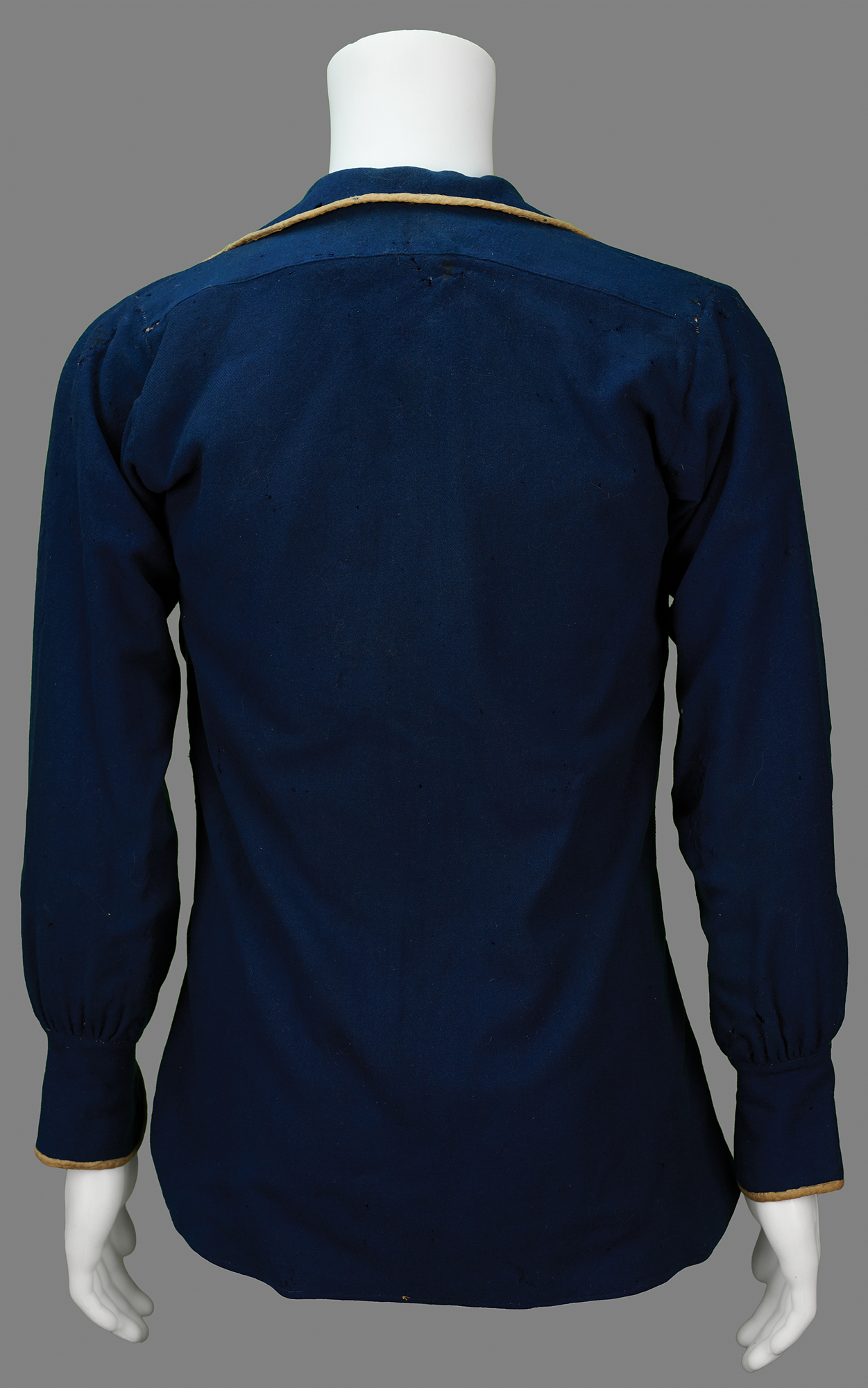
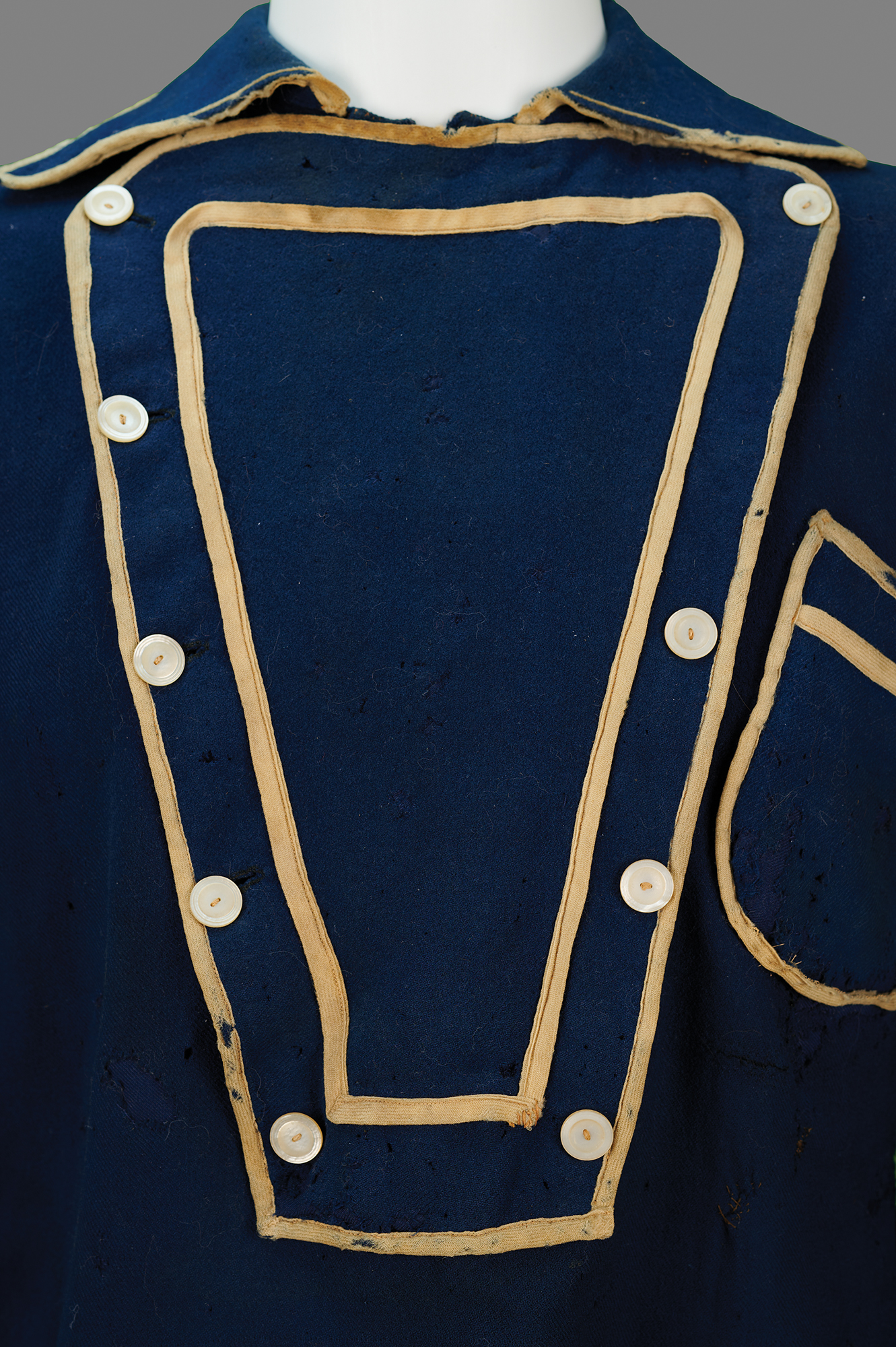
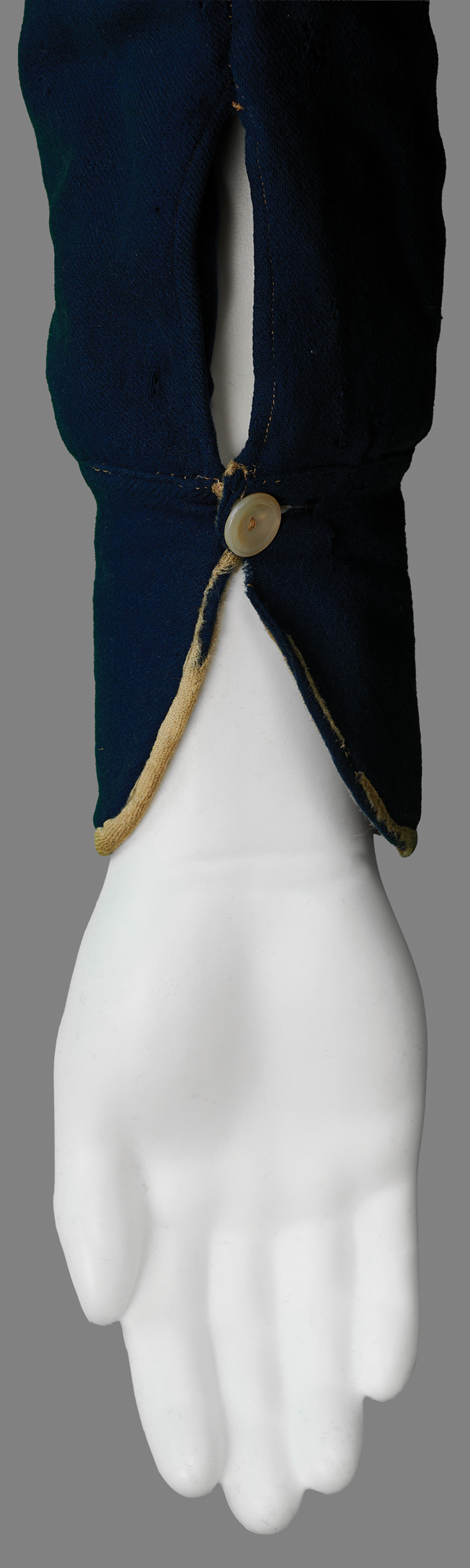
The shirt has been well documented over the years: it was given by Mrs. Custer to her husband's orderly, from whom it was obtained by William O. Taylor, a 7th Cavalry veteran who had been with Reno at the Battle of the Little Bighorn, renowned as an early collector of Custer memorabilia. Between 1882 and 1920, Taylor donated a number of items to the Pocumtuck Valley Historical Association's in Deerfield, Massachusetts, including this shirt, gifted in 1885 as recorded in the museum's original records. The museum eventually deaccessioned the shirt and it was acquired by famous Custer collector Alex Acevedo.
Literature: illustrated in Boots & Saddles at the Little Bighorn: Weapons, Dress, Equipment, Horses & Flags of General Custer's Seventh U.S. Cavalry in 1876, by James S. Hutchins (Fort Collins, CO: The Old Army Press, 1976, p. 22). Seen in Pywell's photo listed as K-118/K-118V in 'Custer in Photographs' by D. Mark Katz
Provenance: Lot 72 in the 1995 Butterfield & Butterfield "Important Custer, Indian War & Western Memorabilia" sale, which lists the provenance as "Elizabeth B. Custer/Acevedo Collection / William O. Taylor Collection, Pocumtuck Valley Memorial Association." Subsequently sold at Heritage Auctions, June 22, 2013.
Worn by Custer during the Yellowstone and Black Hills Expeditions that intensified conflict with the Sioux, this shirt represents a rare, tangible link to one of the most mythologized figures of the American frontier—embodying the intersection of exploration, military ambition, and the cascading consequences of westward expansion. Its direct association with a well-known photograph further elevates its significance, anchoring it visually within the historical record. Coupled with its strong, traceable provenance through early Custer collectors and institutional stewardship, the piece stands not only as a personal relic of Custer himself, but also as a witness to the broader narrative that culminated in the Great Sioux War and the Battle of the Little Bighorn.
The Western Americana auction of Jochen Zeitz.