The 30 Minute Rule begins April 23 at 7:00 PM EDT. An Initial Bid Must Be Placed By April 23 at 6:00 PM EDT To Participate After 6:00 PM EDT
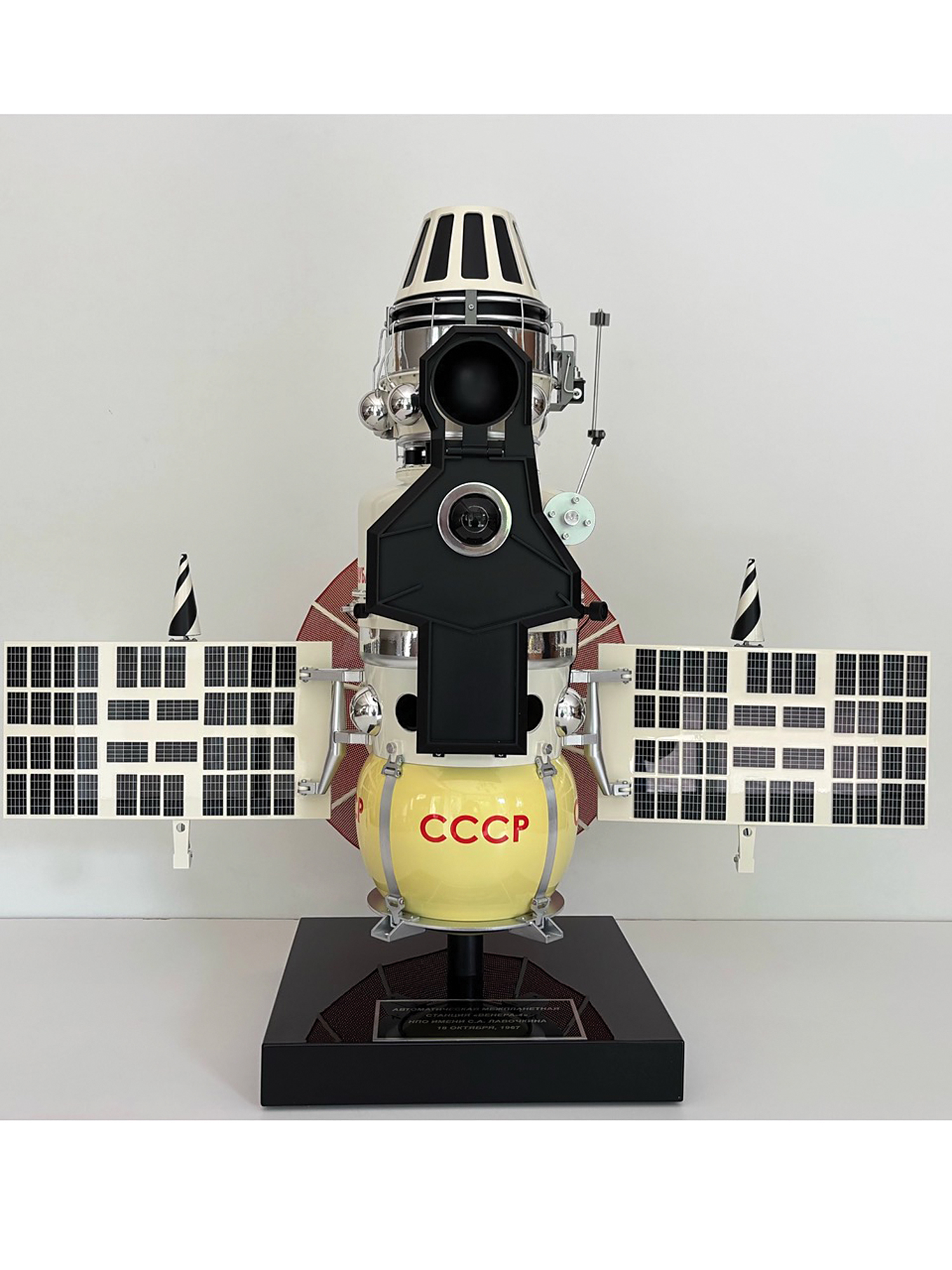
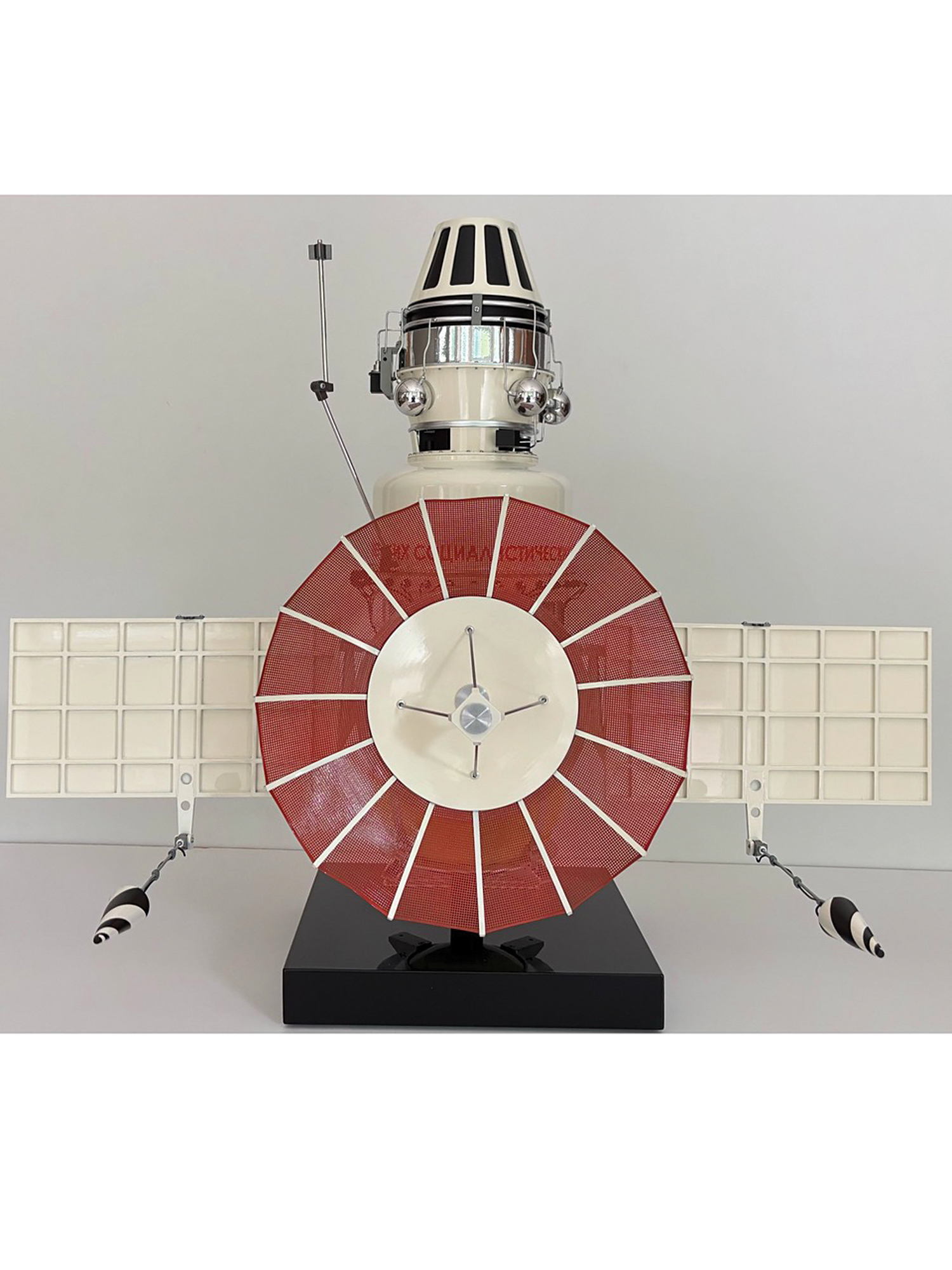
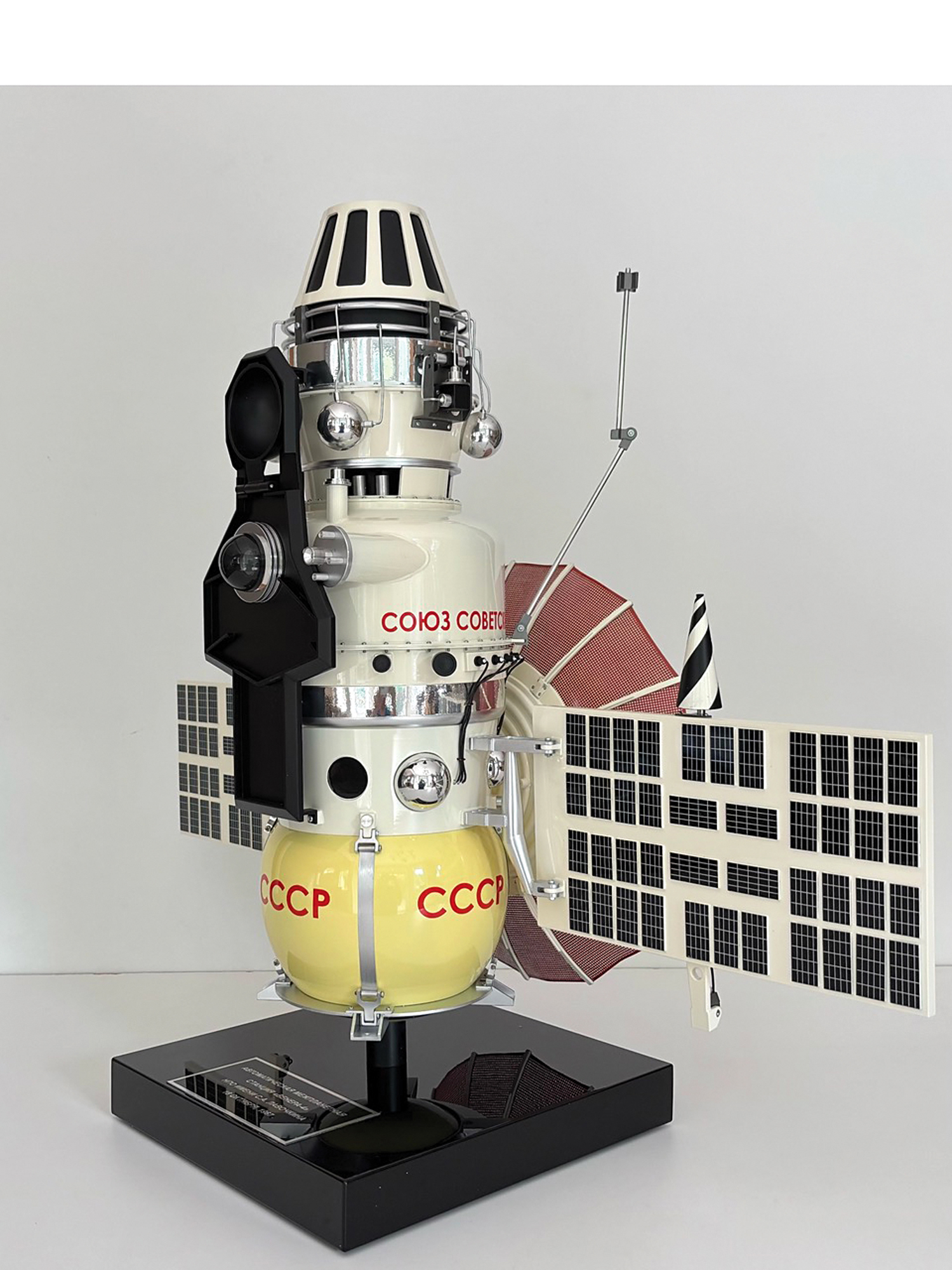
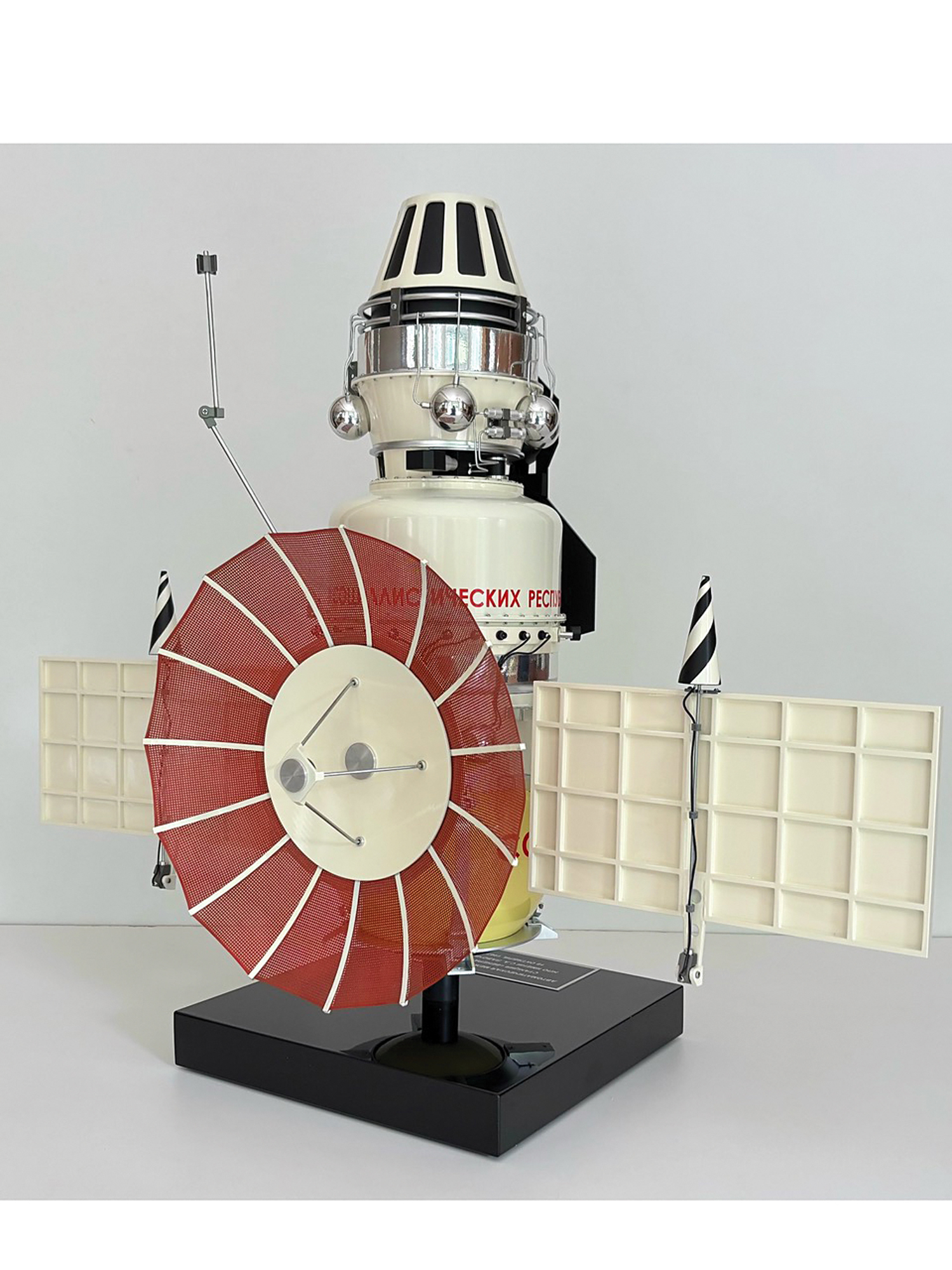
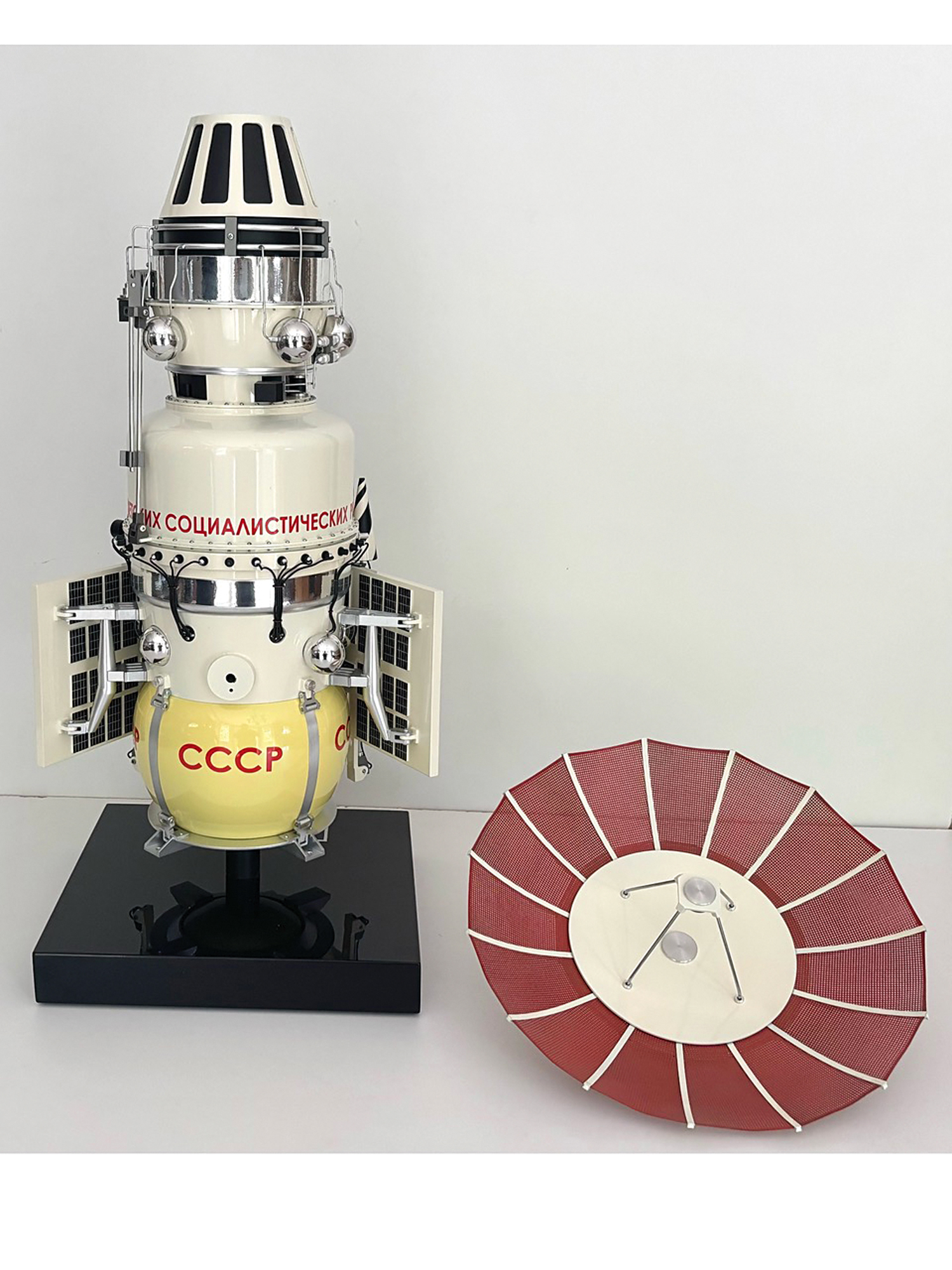
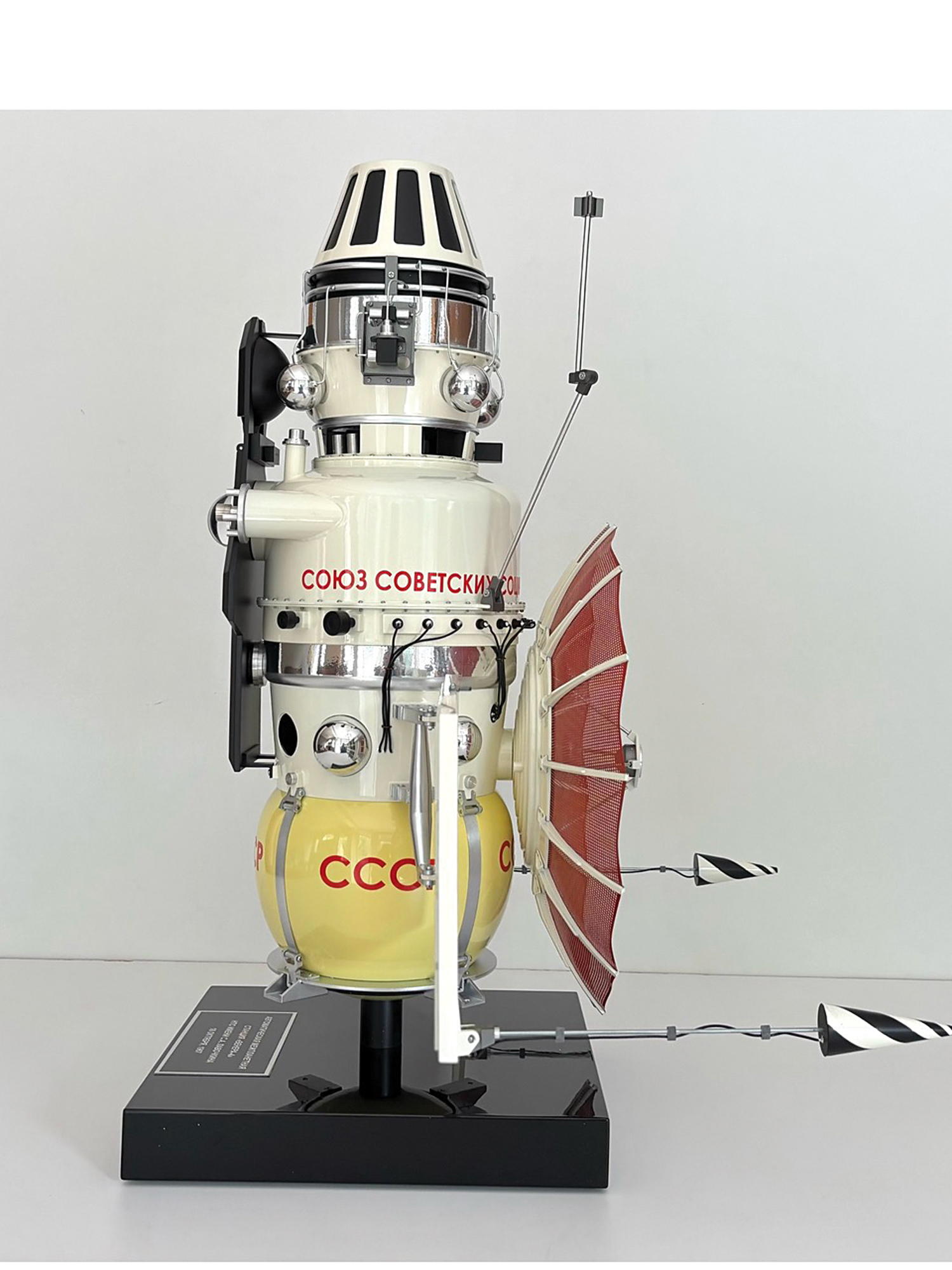
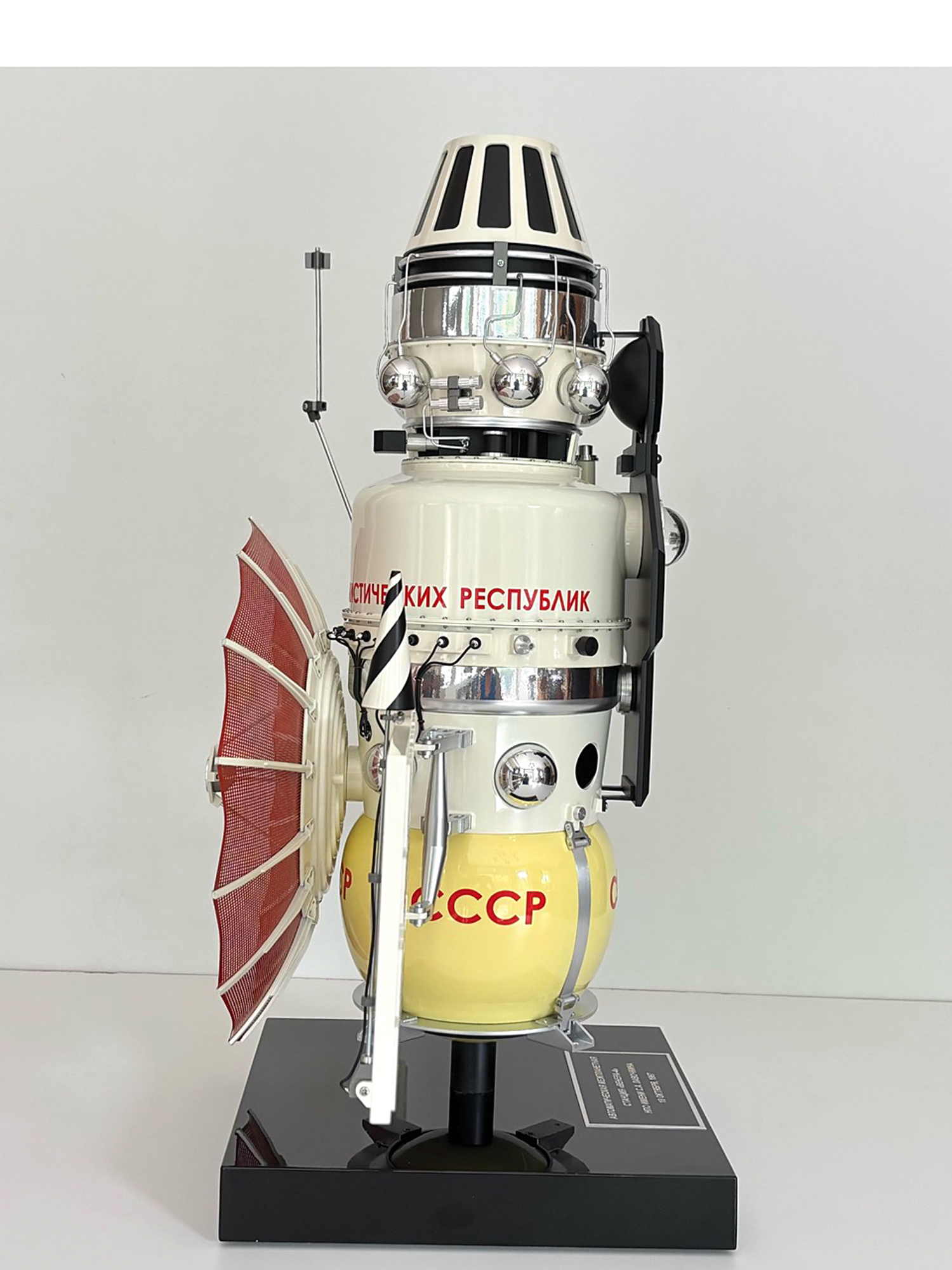
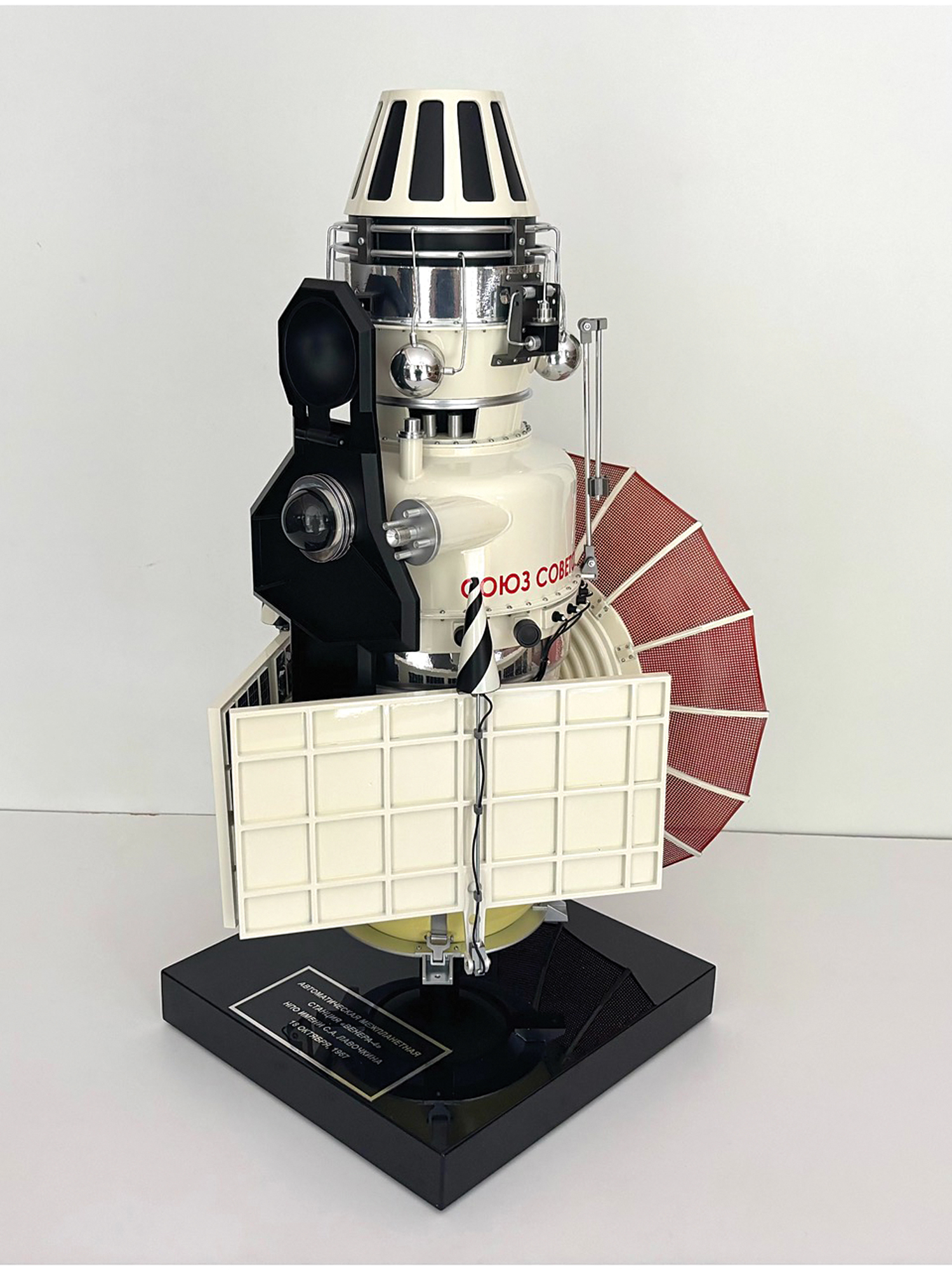
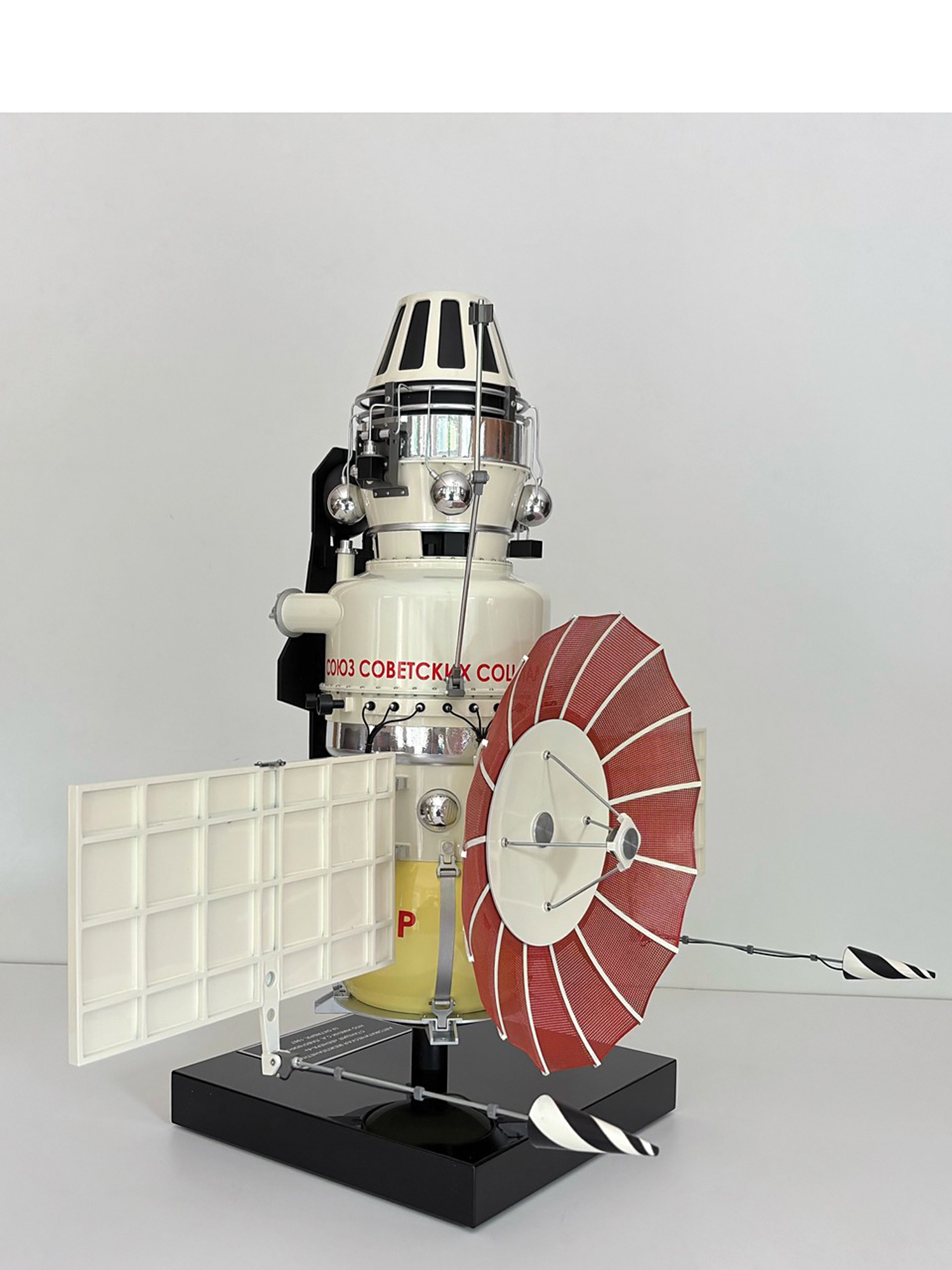
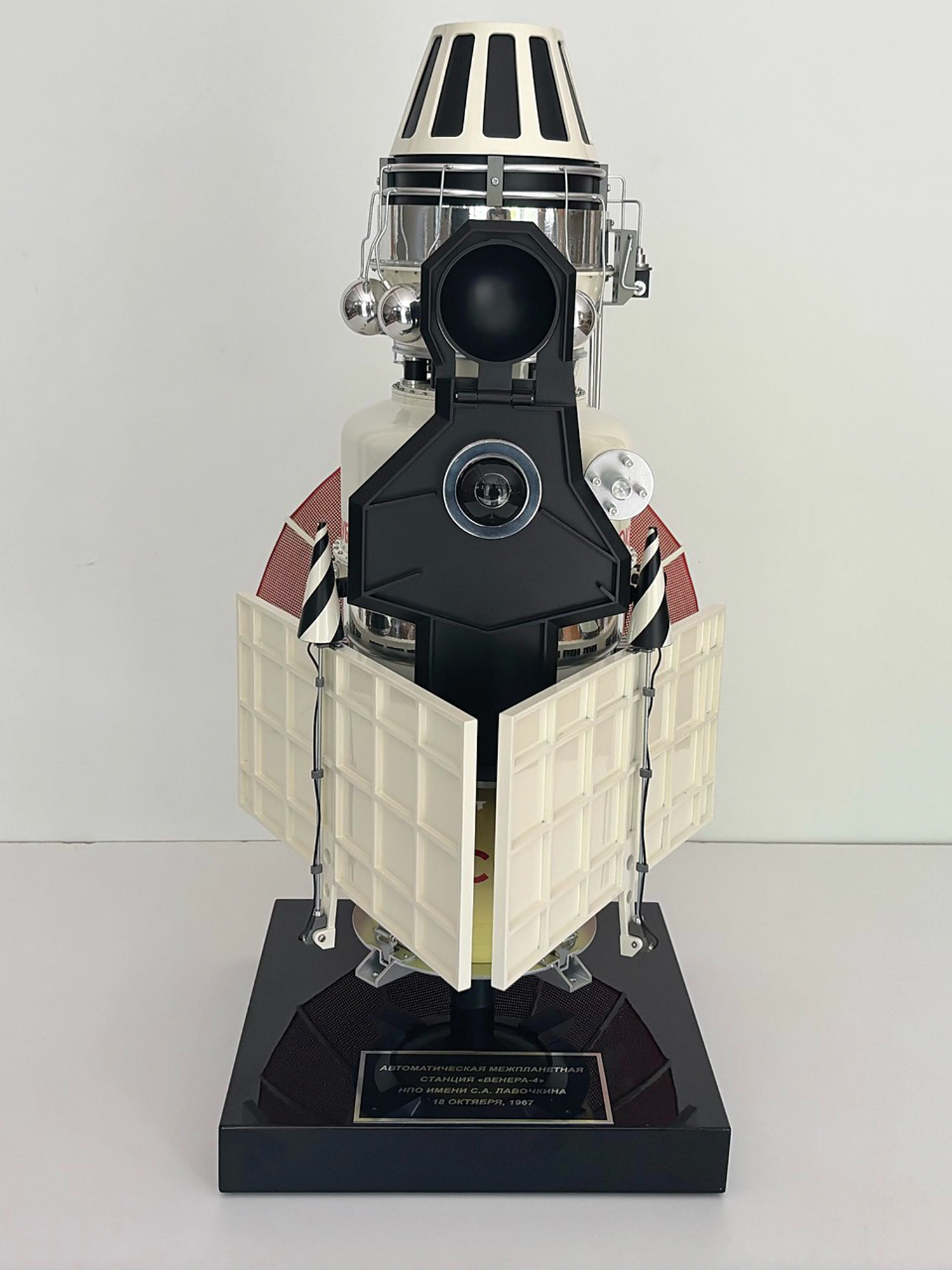
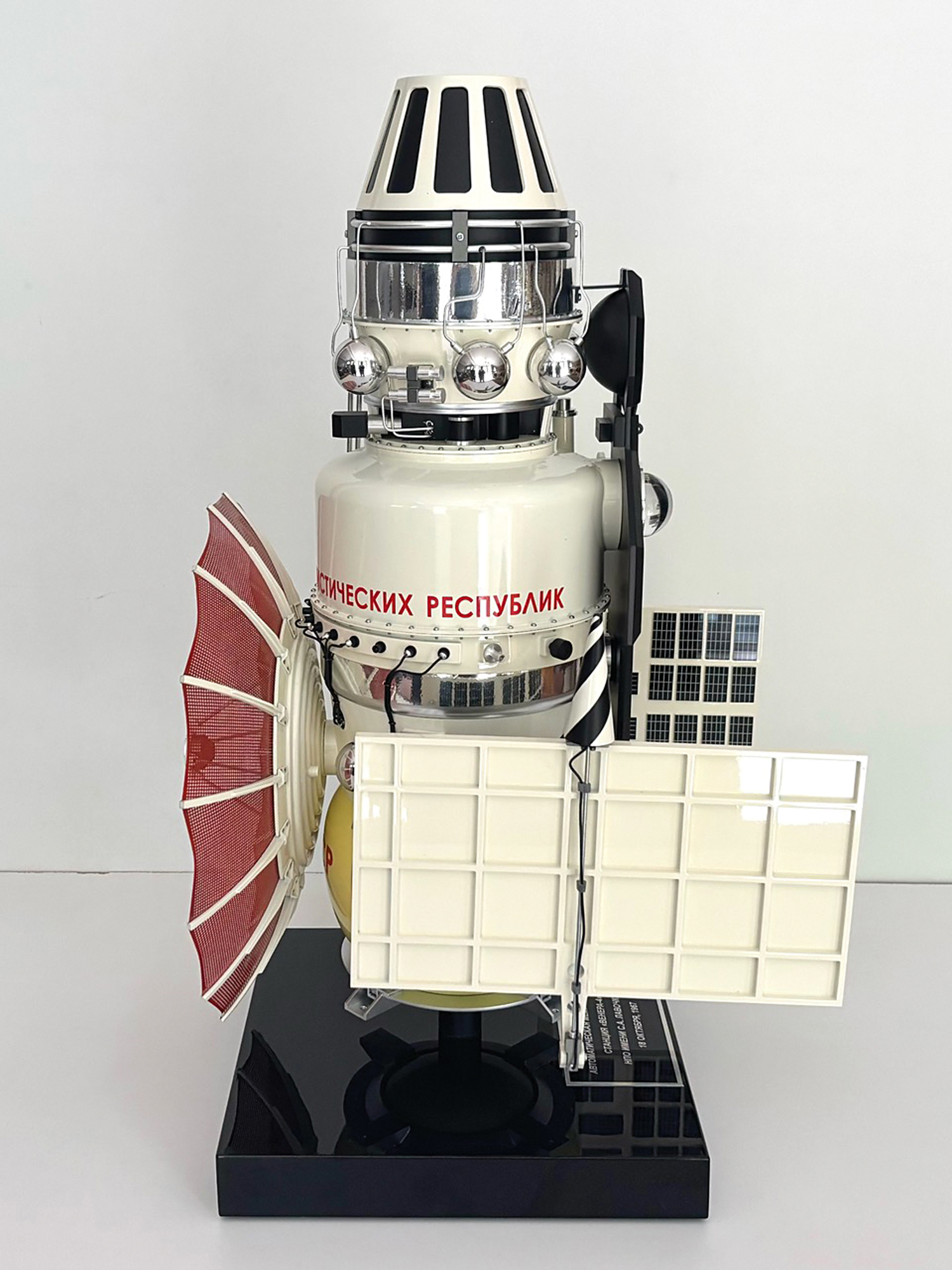
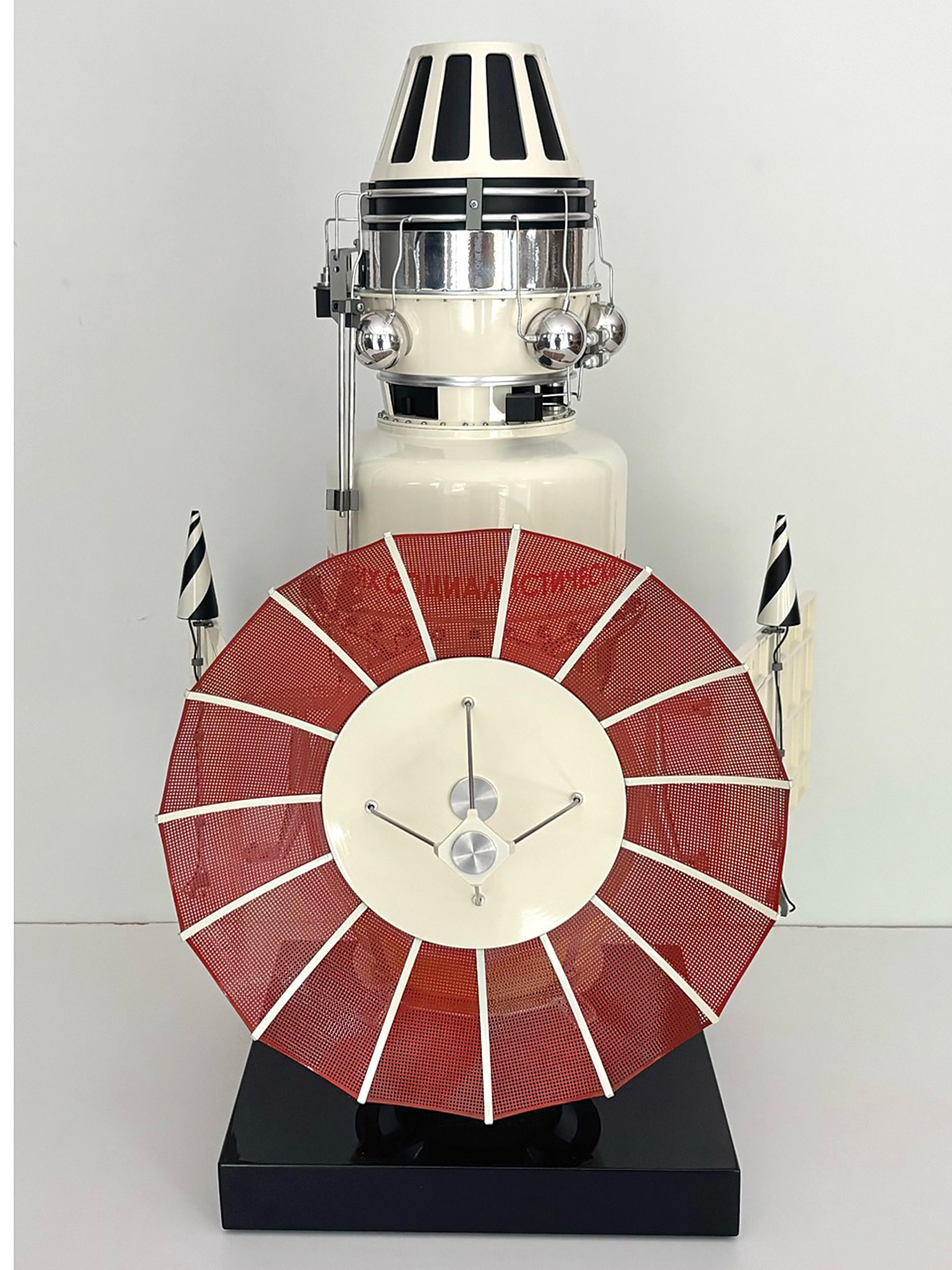
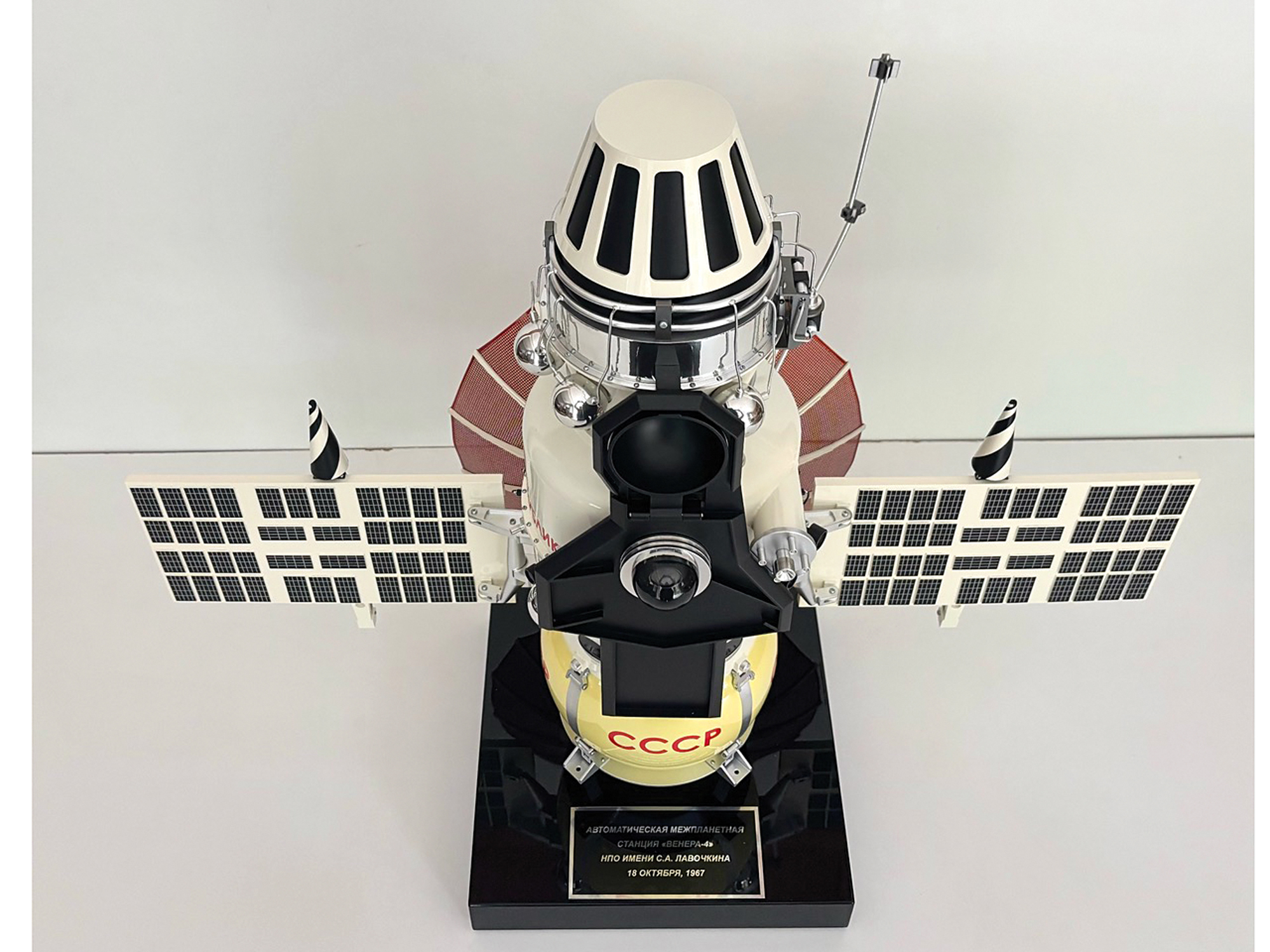
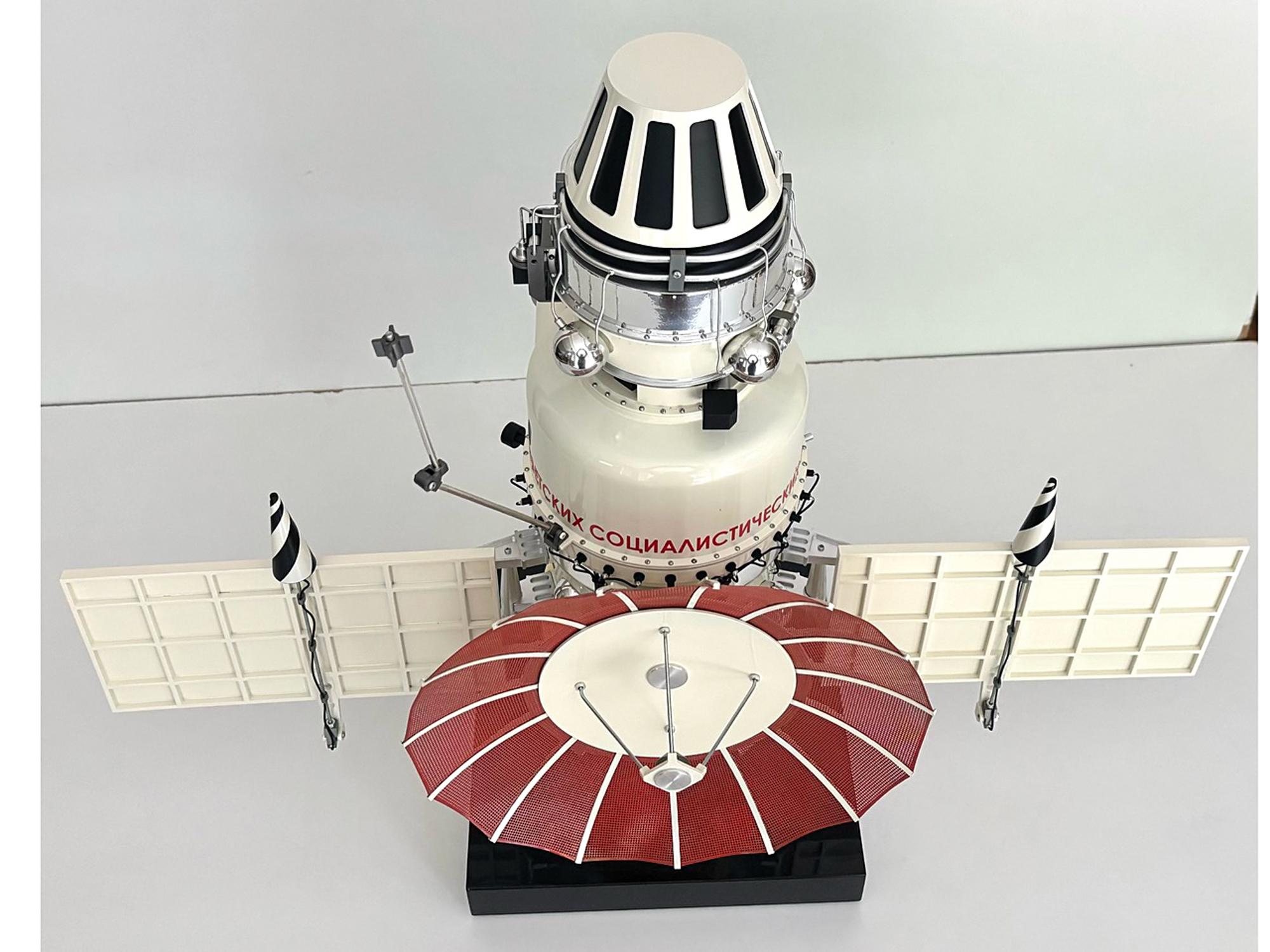
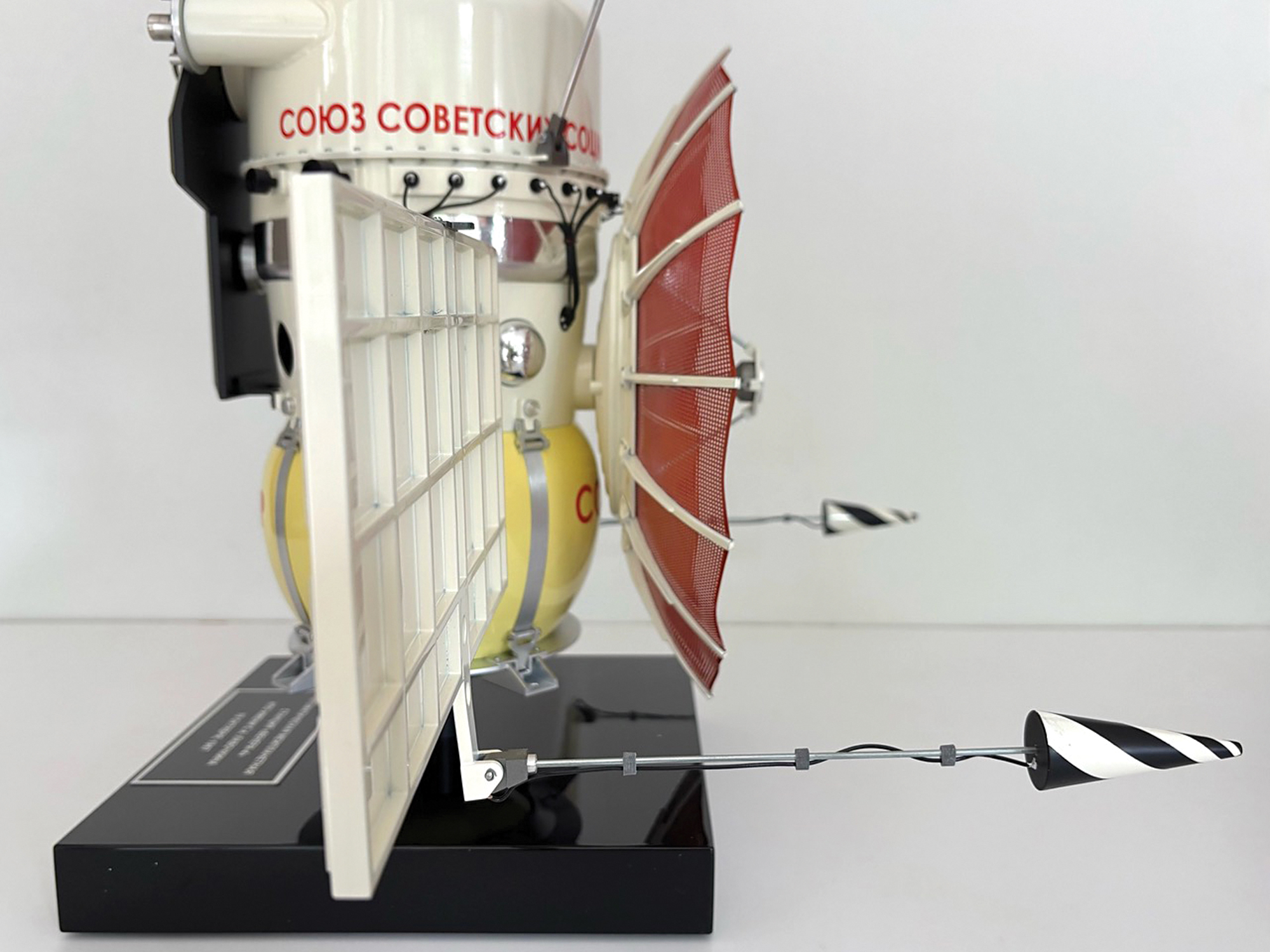
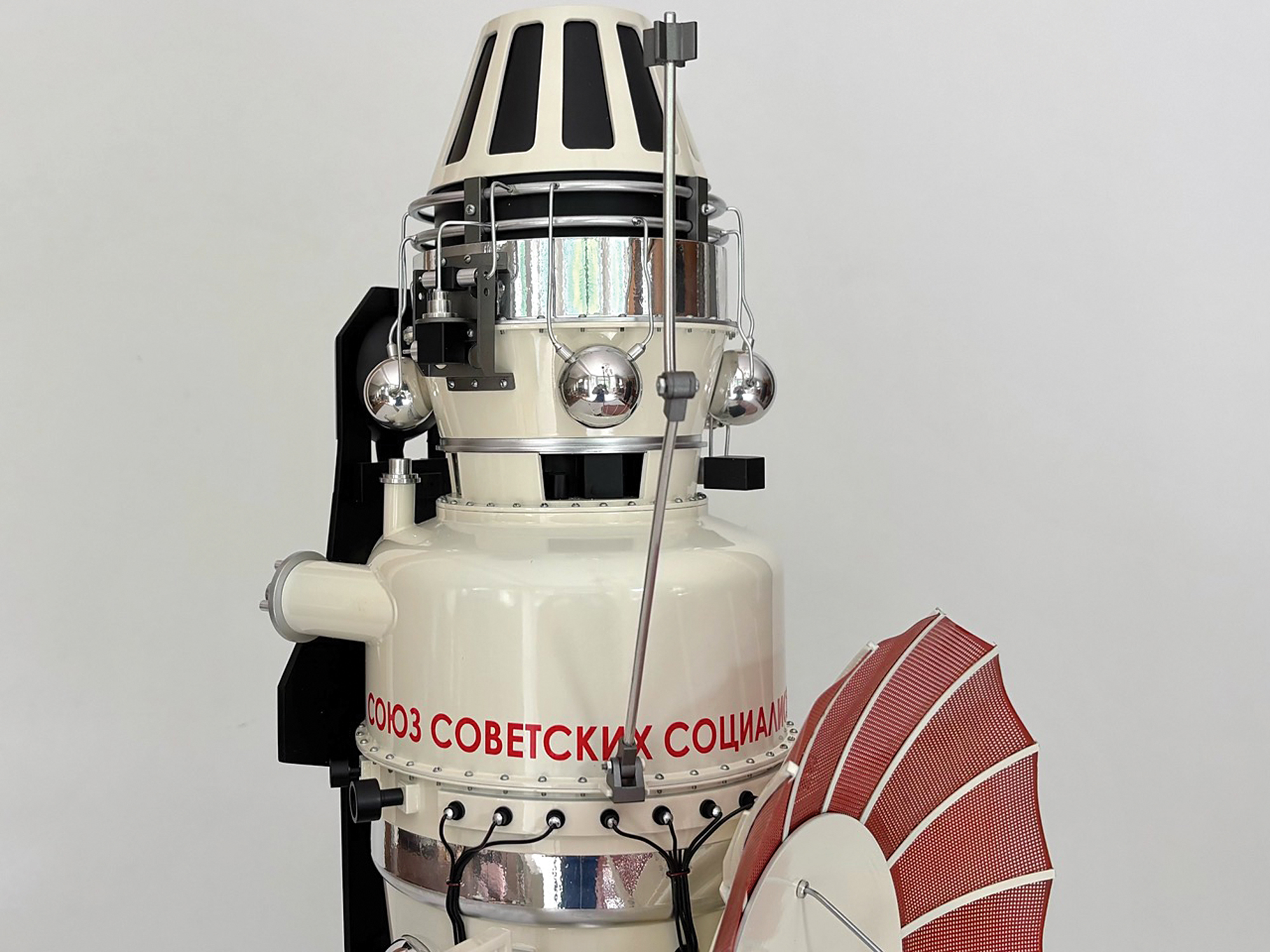
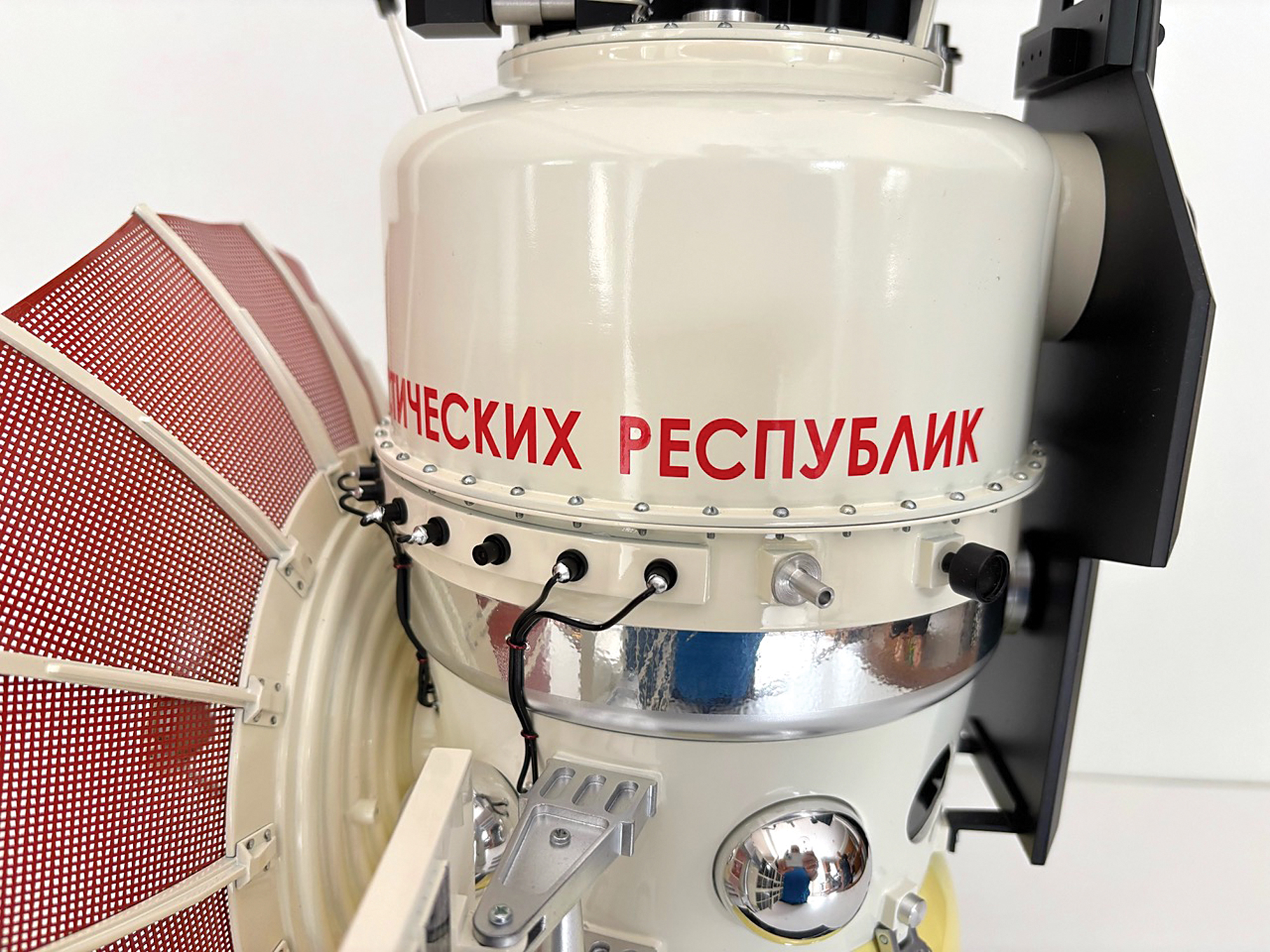
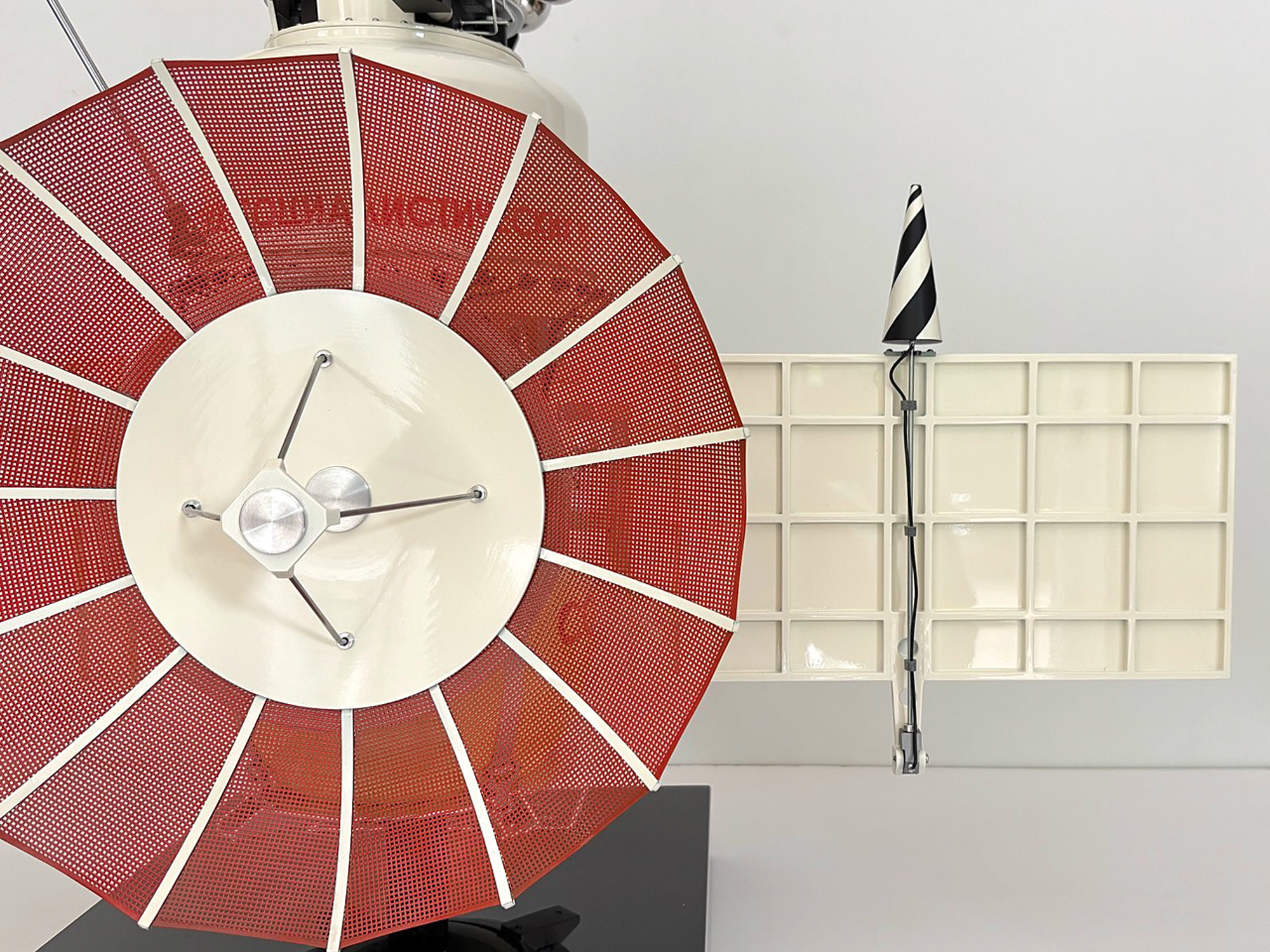
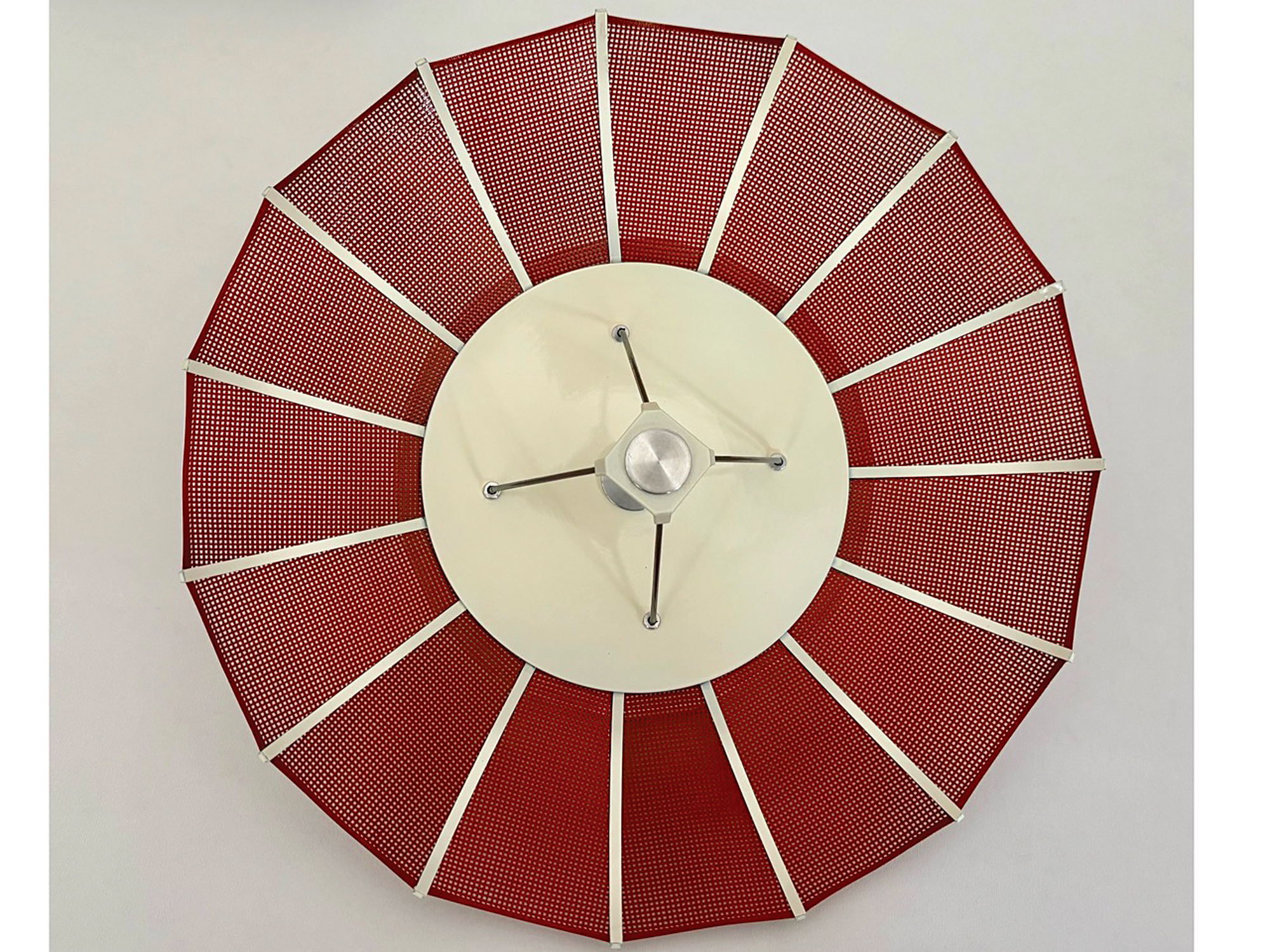
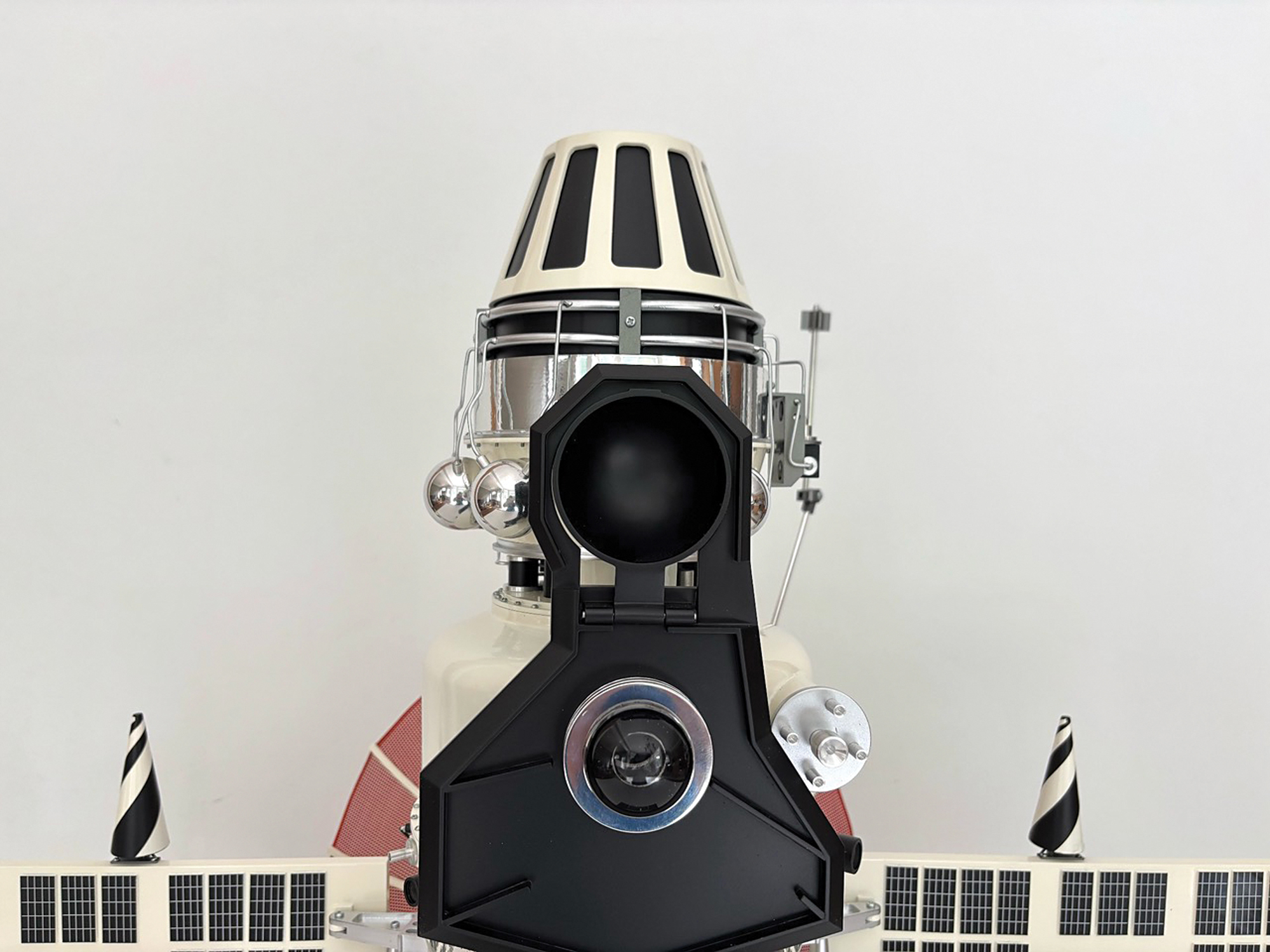
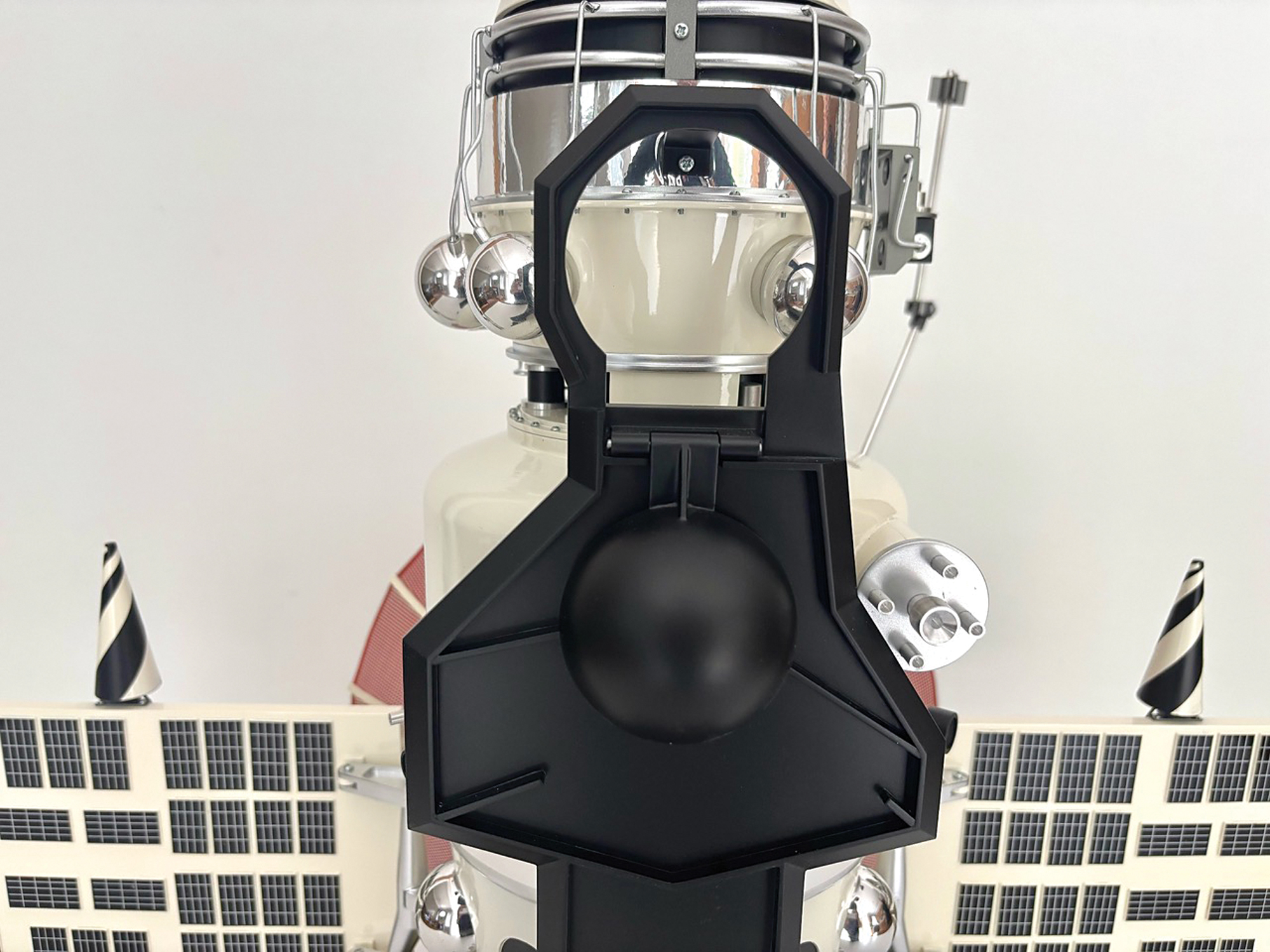
High-detail presentation model of the Venera 4 space probe, a probe in the Soviet space program made for the exploration of Venus. Launched by the USSR on June 12, 1967, Venera 4 became the first spacecraft to successfully perform in-situ analysis of the atmosphere of another planet. The probe entered the Venusian atmosphere on October 18, 1967, transmitting scientific data for approximately 94 minutes as it descended by parachute, measuring atmospheric pressure, temperature, density, and chemical composition. Its instruments confirmed for the first time that Venus’s atmosphere is composed primarily of carbon dioxide, with extremely high pressures and temperatures. These findings that revolutionized scientific understanding of the planet and marked a major milestone in planetary exploration during the Cold War space race.
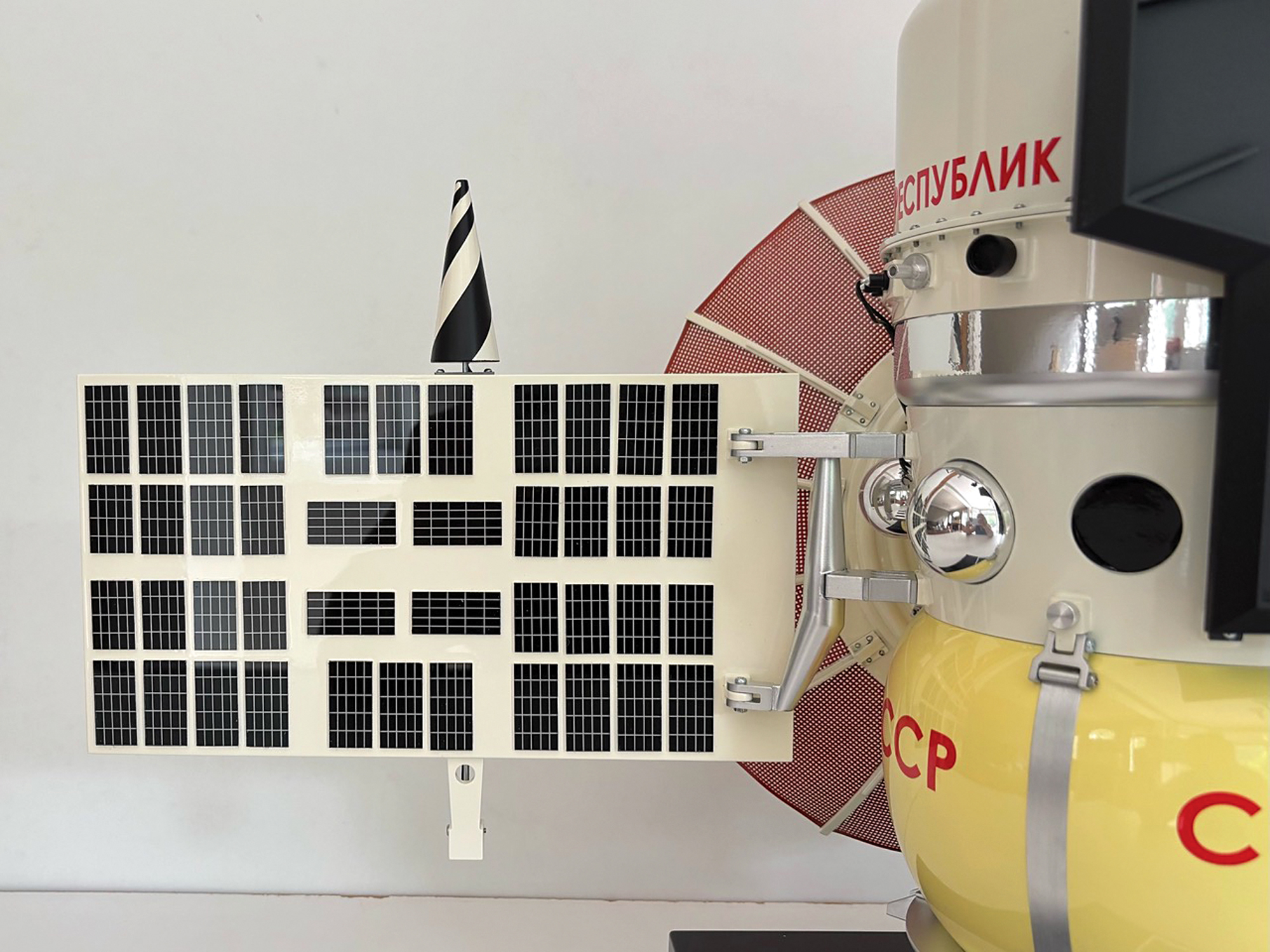
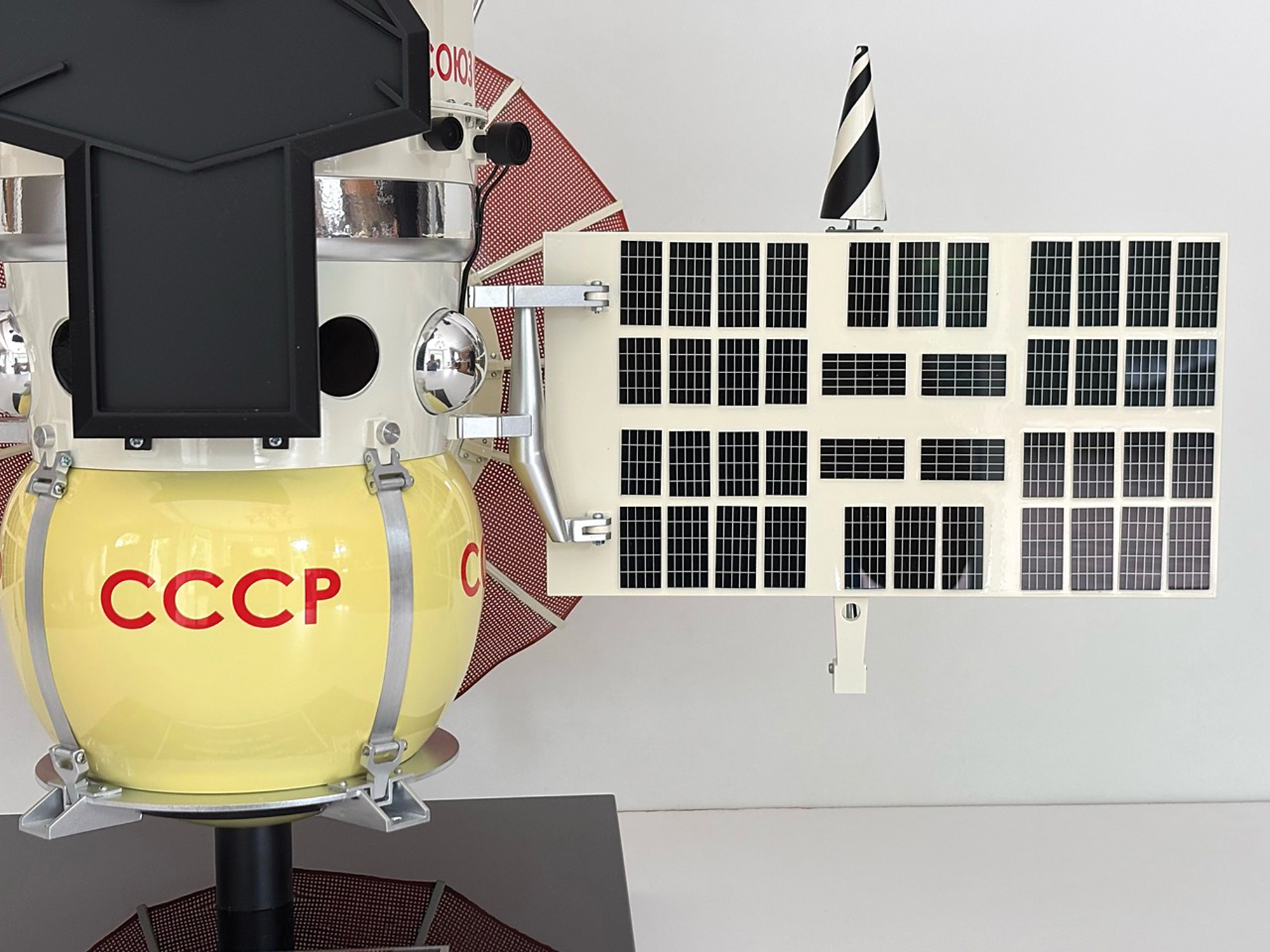
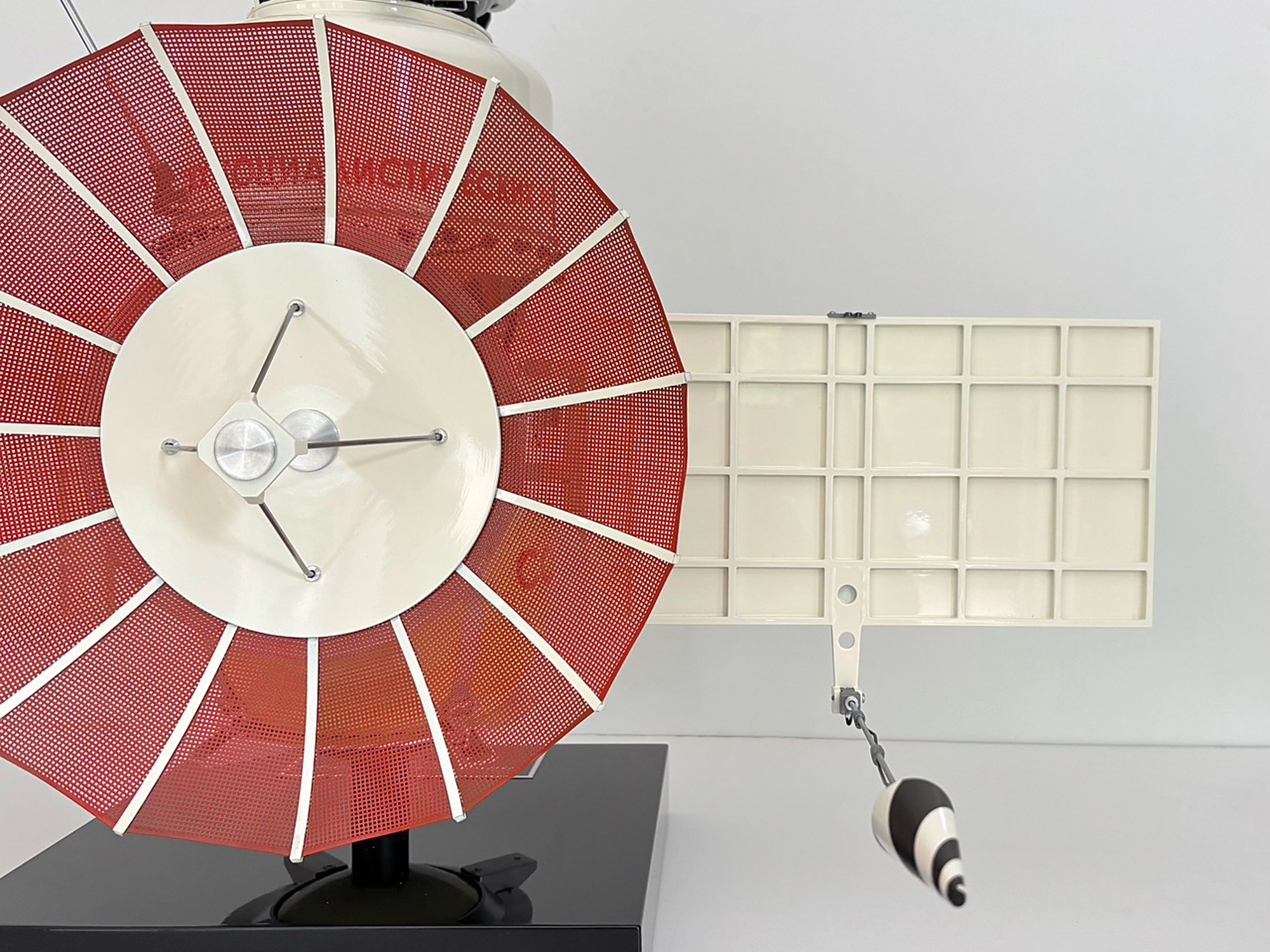
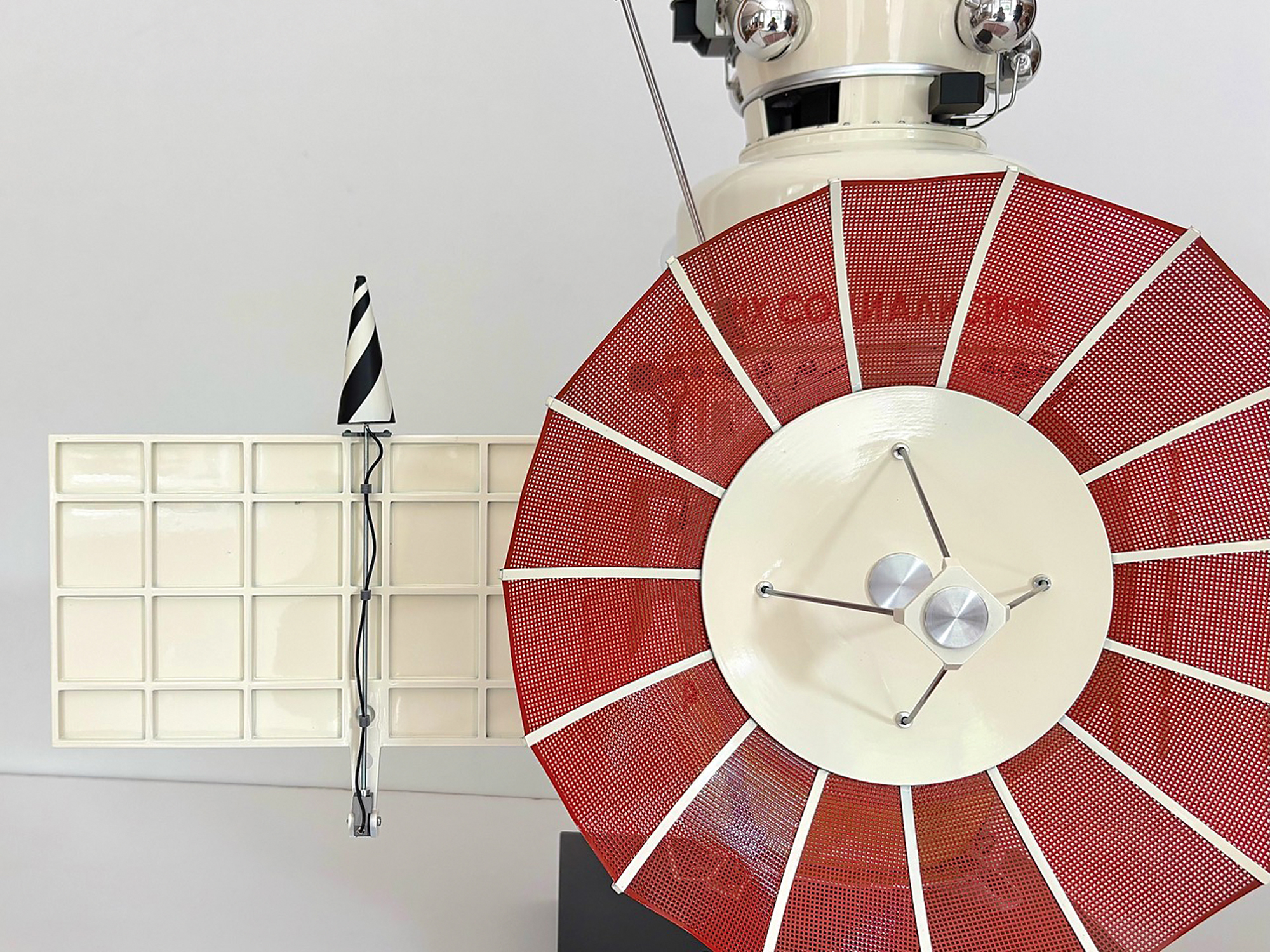
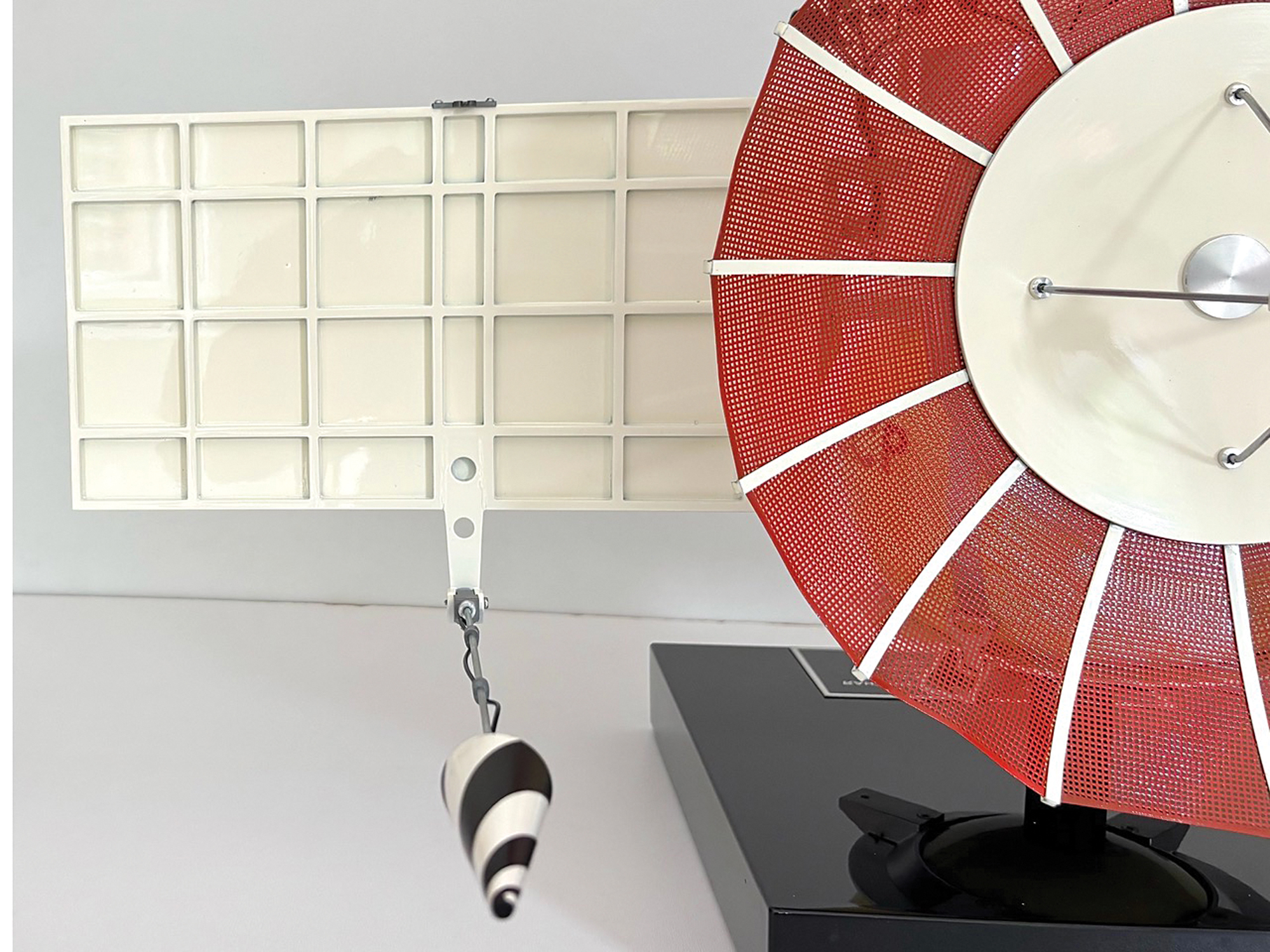
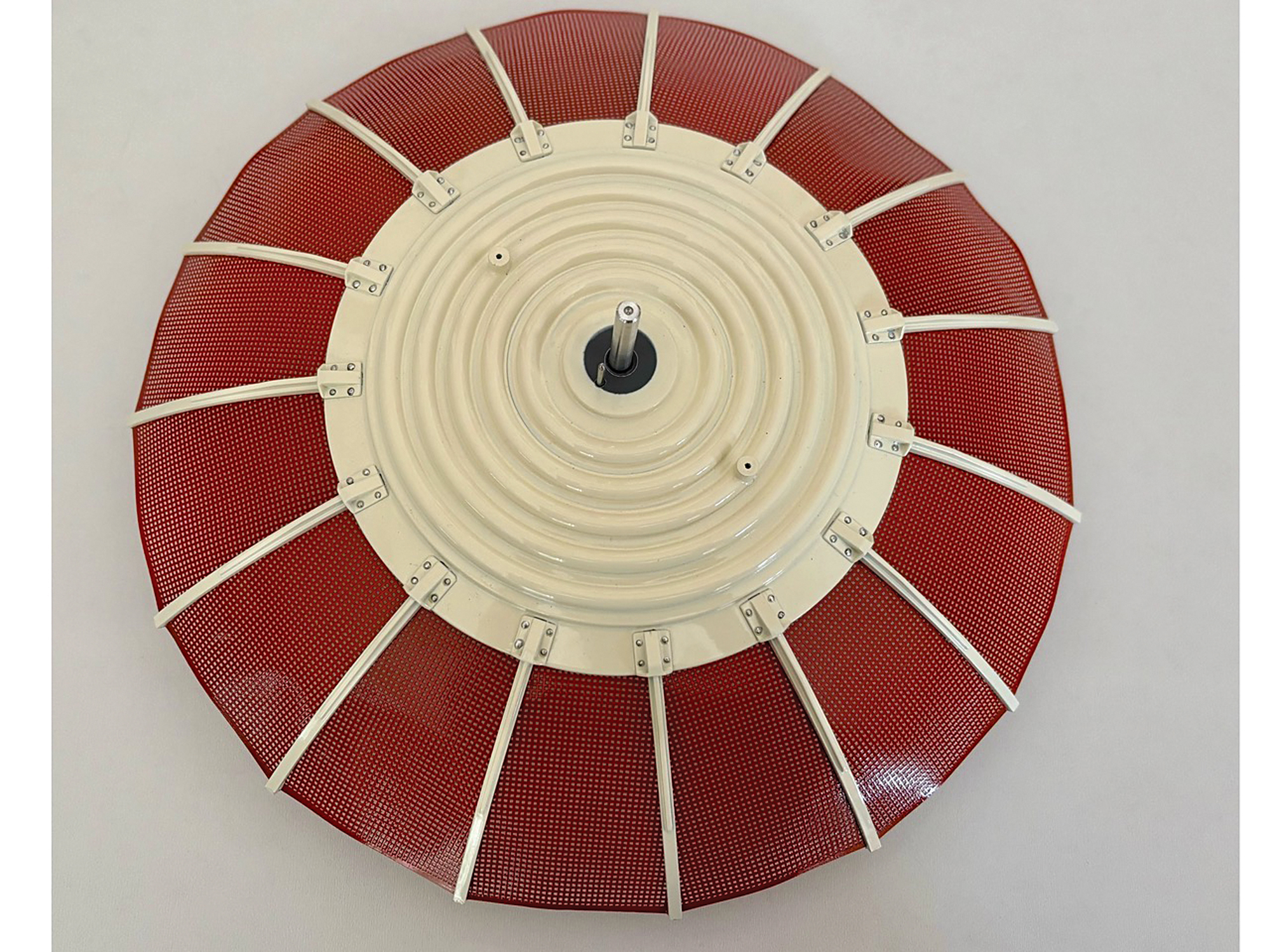
Constructed of metal, fibre-reinforced plastic, and resin composite elements, the hand-made model stands 22˝ in height, with open solar panels extending at a width of 27˝. The model consists of orbital and lander modules, parabolic and low-gain antennas, solar panels, and a magnetometer bracket. Antennas and solar panels are multi-directional. The model is set on a black base, 10˝ x 10˝ x 1.5˝, with an affixed plate with Cyrillic text, which reads (translated): “Automatic Interplanetary Station Venera-4, NPO named after S.A. Lavochkin, October 18, 1967.” In fine condition.