The 30 Minute Rule begins April 23 at 7:00 PM EDT. An Initial Bid Must Be Placed By April 23 at 6:00 PM EDT To Participate After 6:00 PM EDT
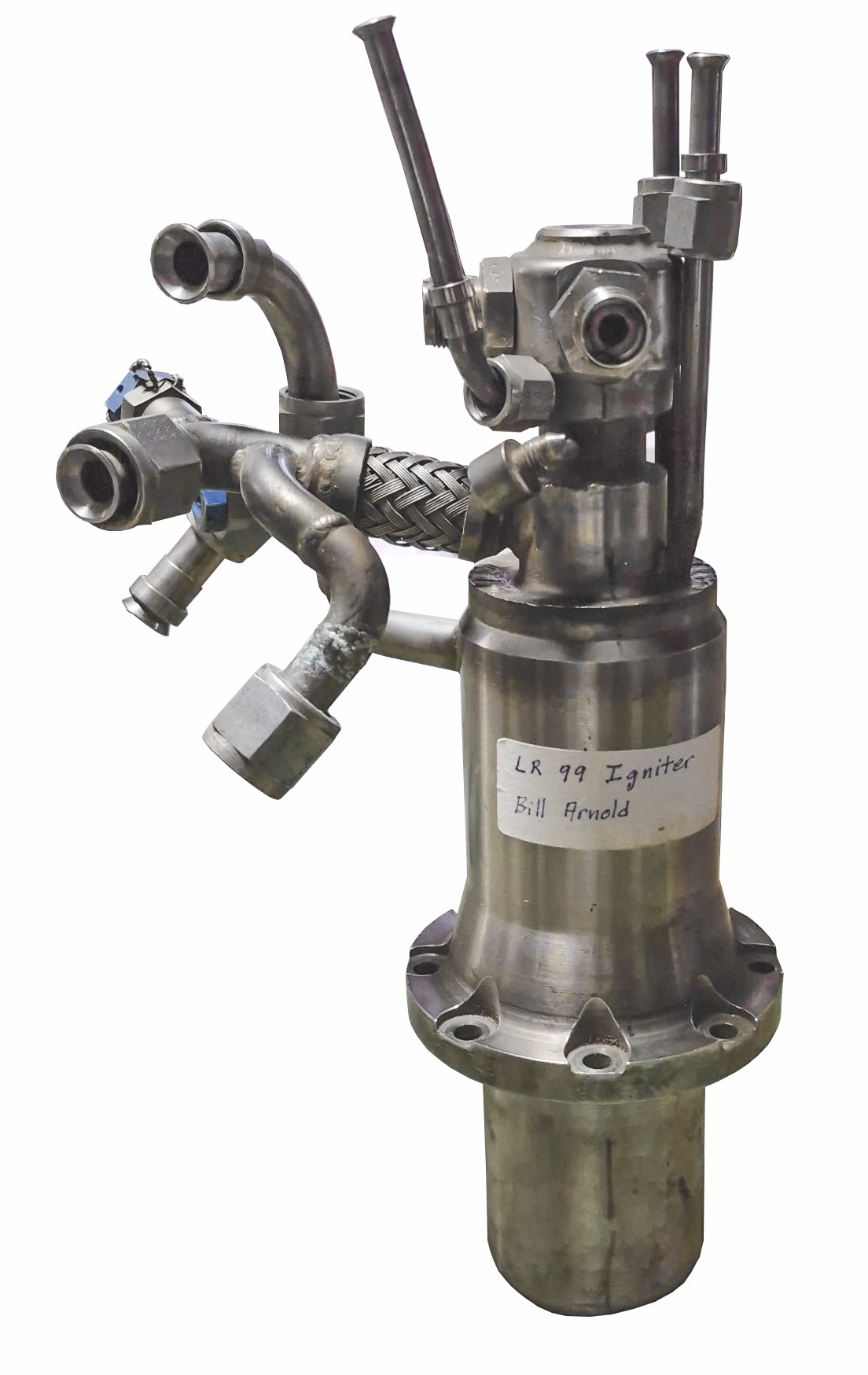
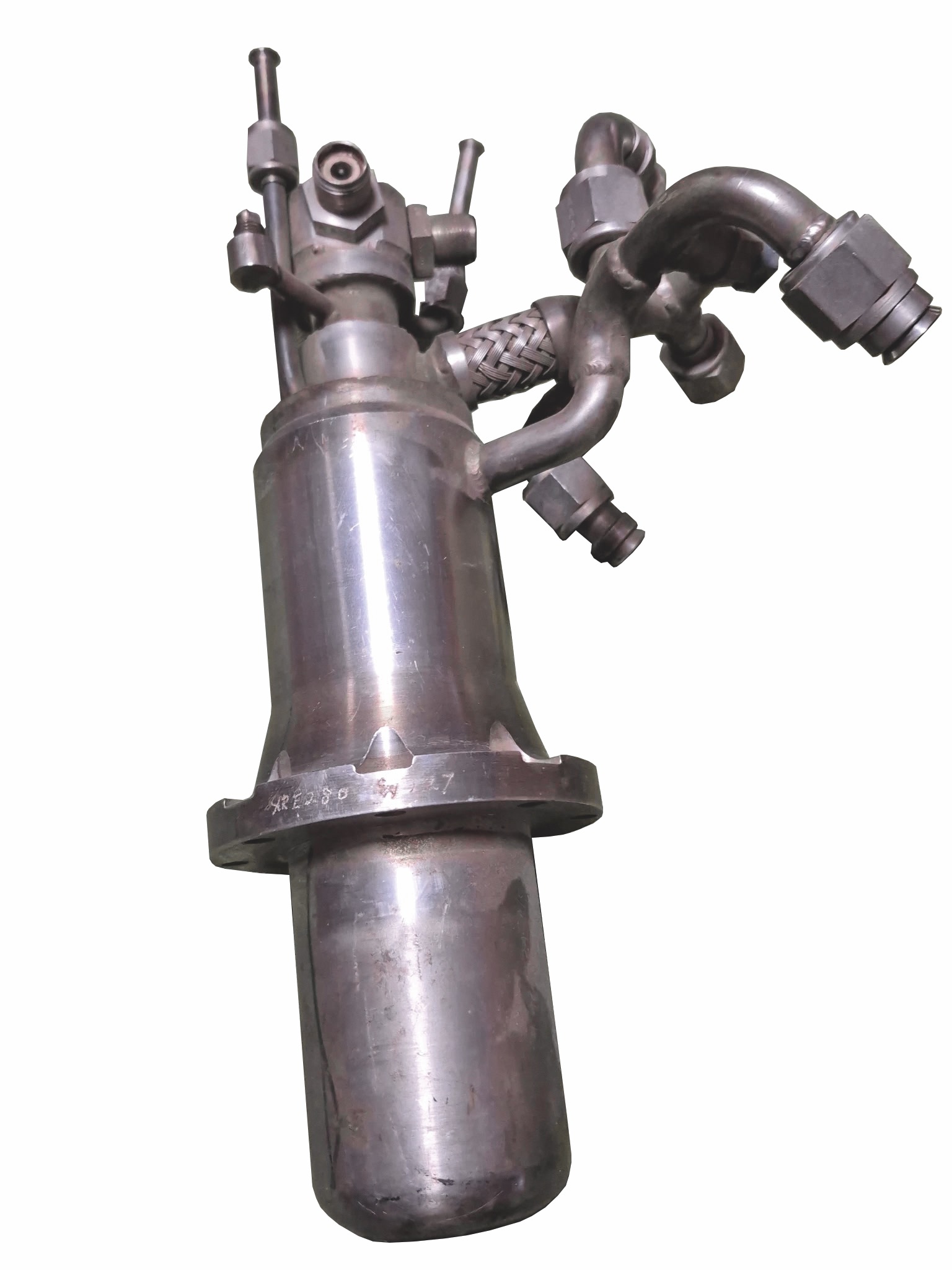
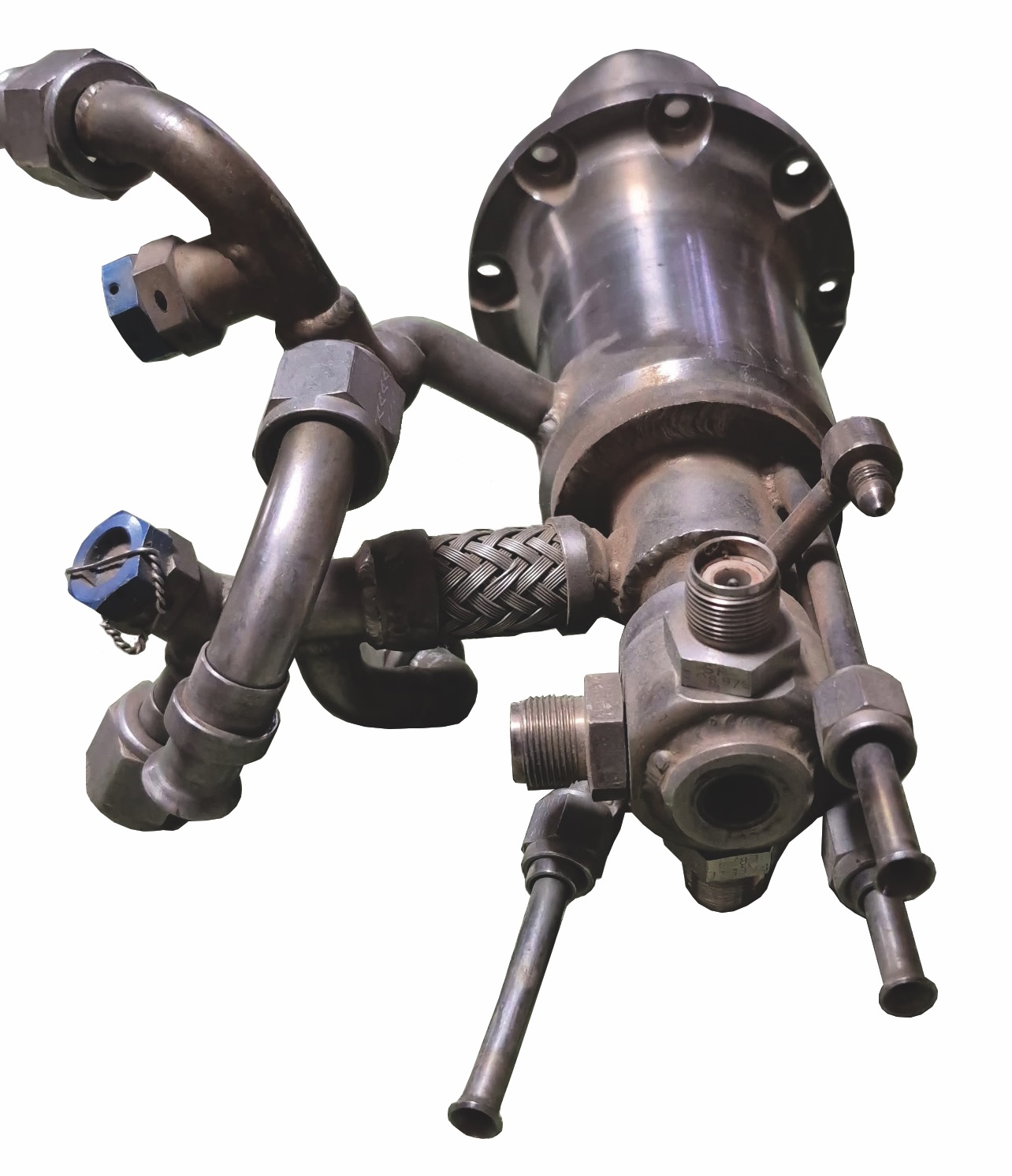
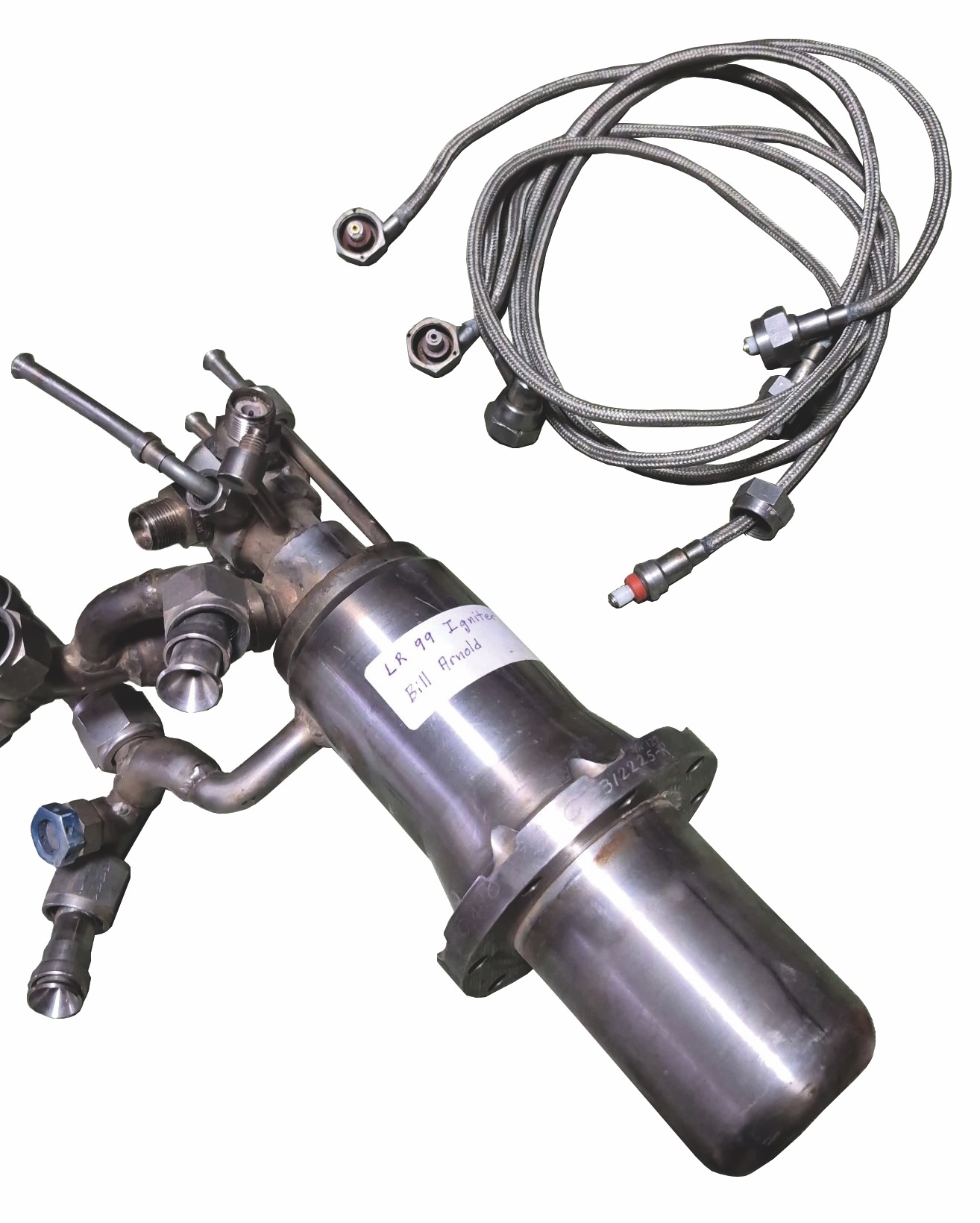
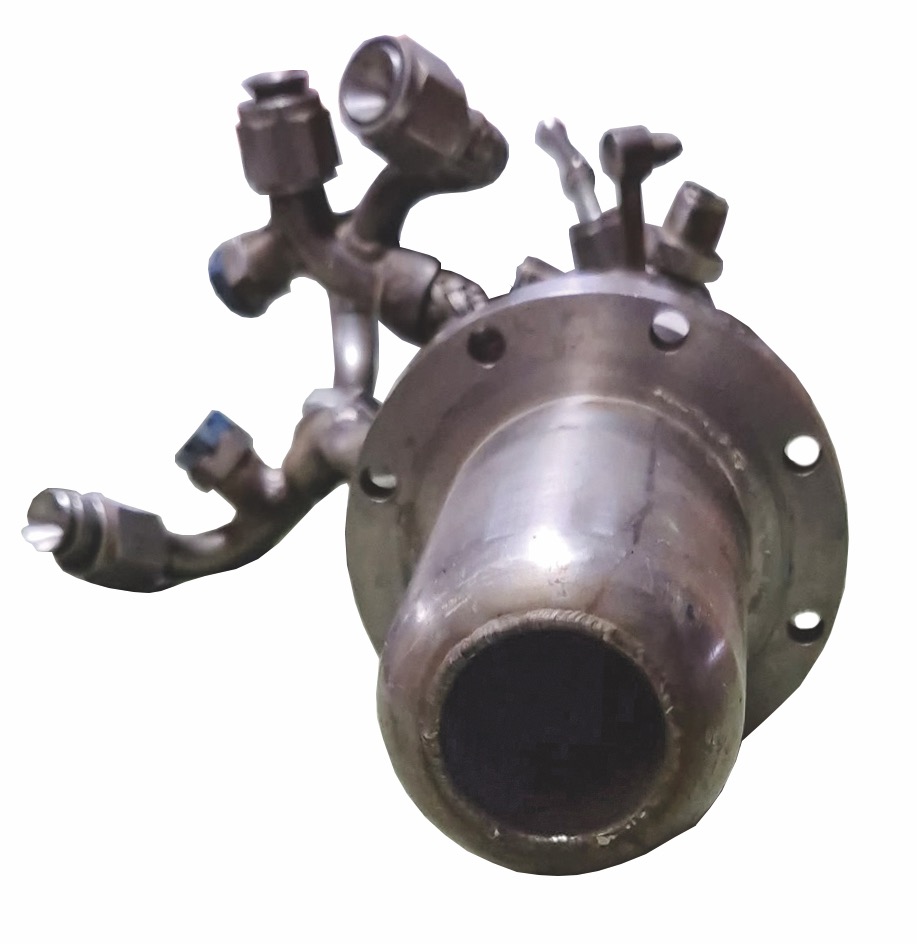
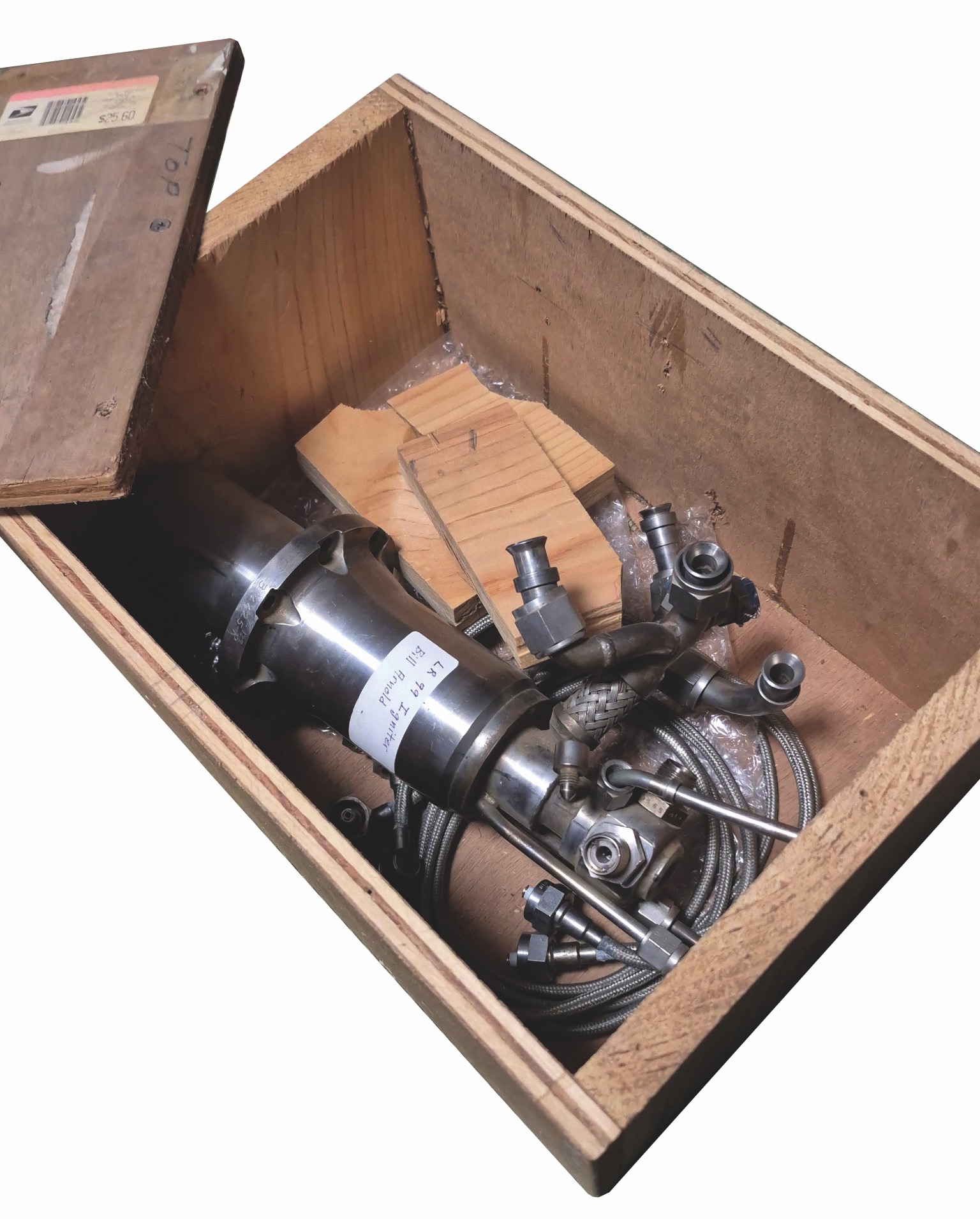
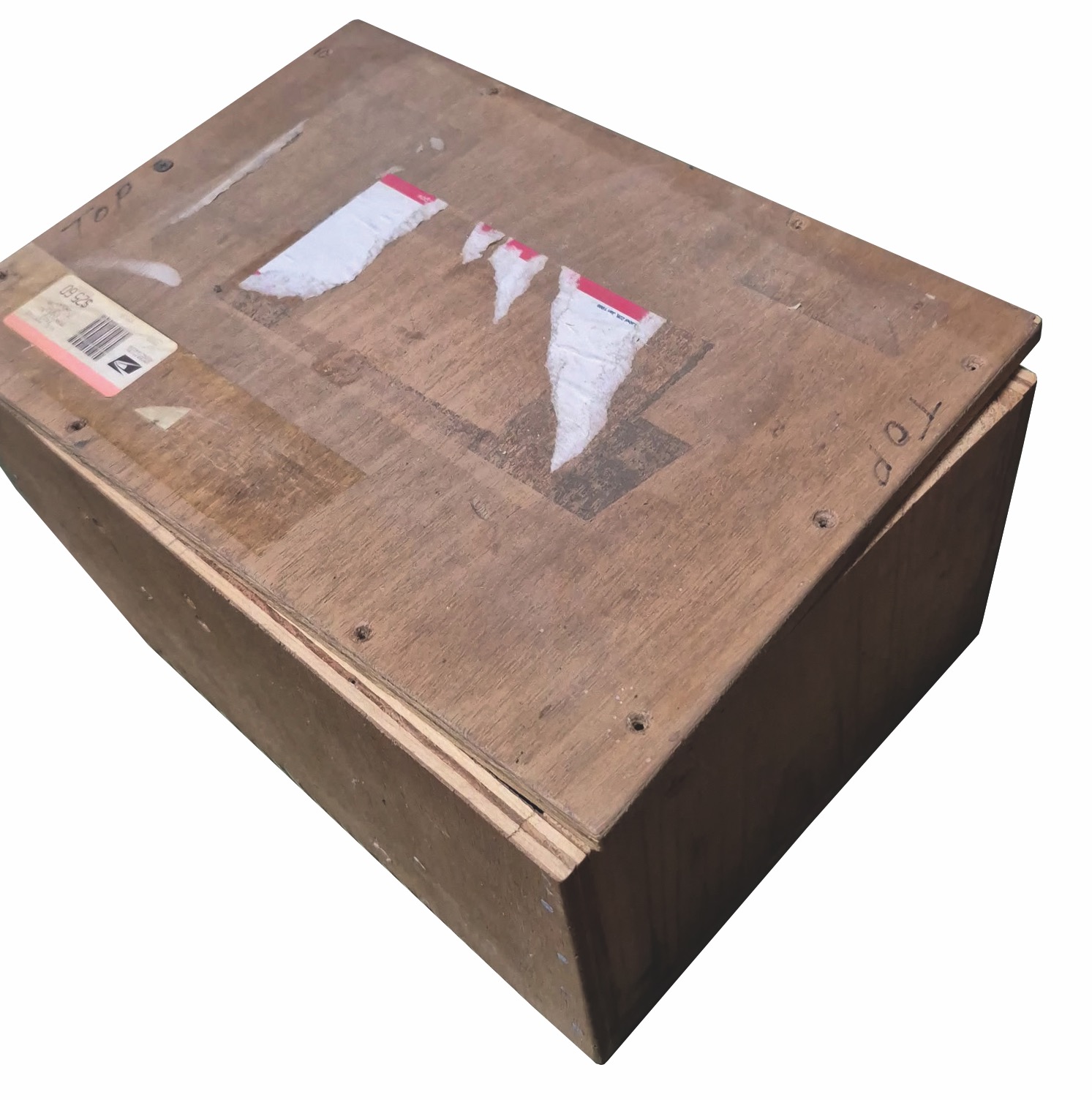
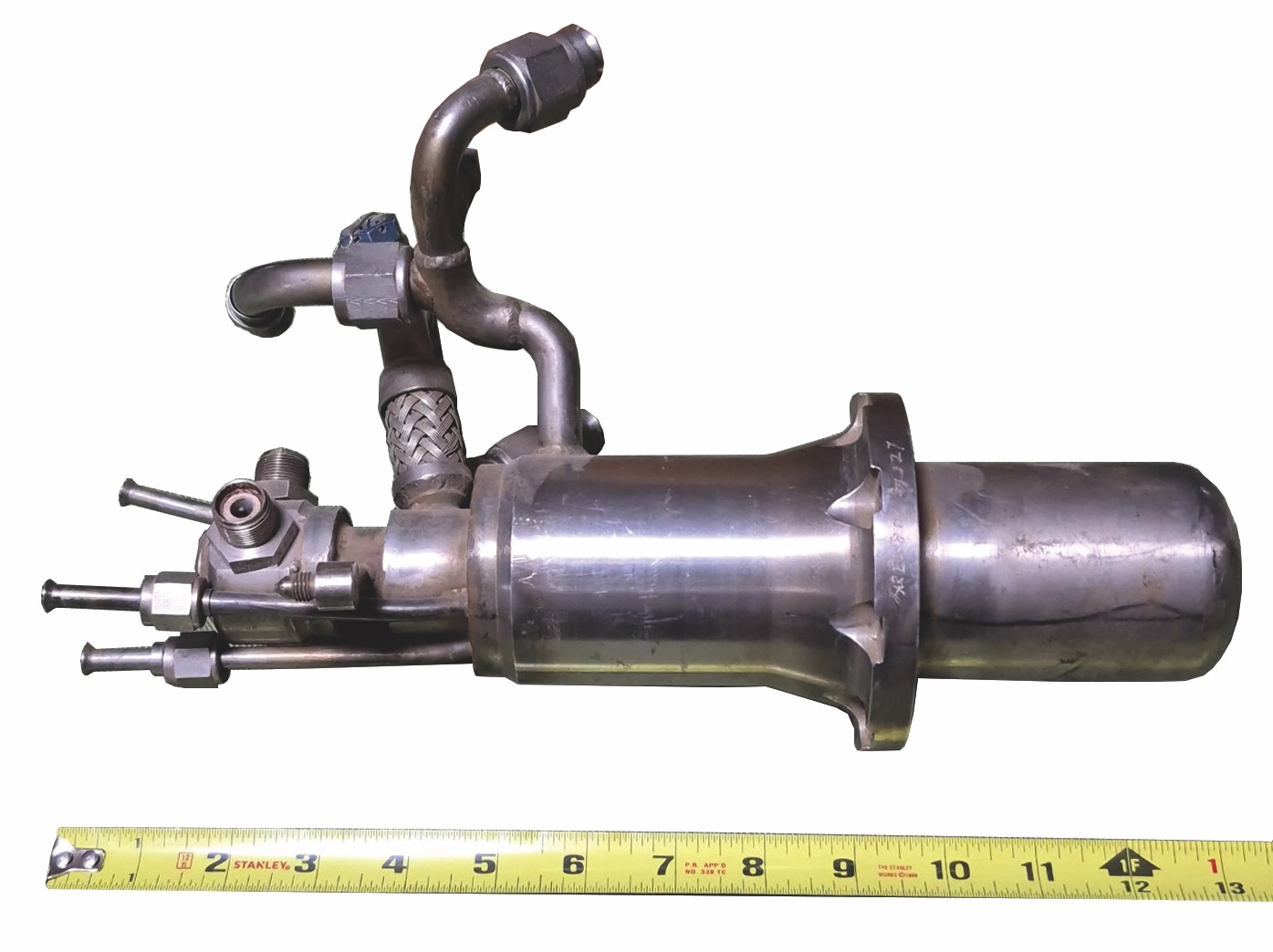
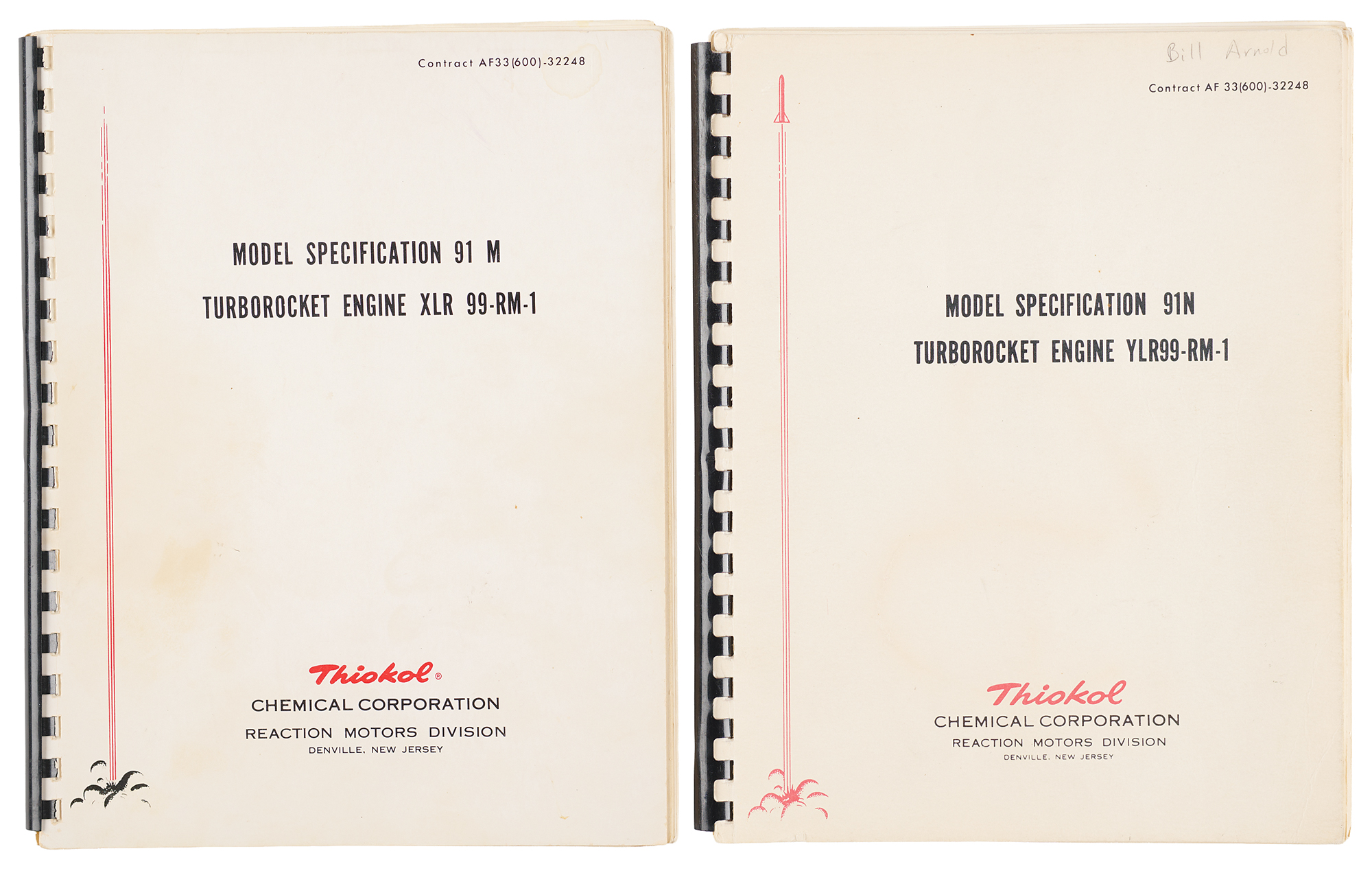
Export restricted (ITAR), sale only to US Citizens and Organizations. Reaction Motors LR-99 igniter or starter assembly, a component of the gas-generator start system used on the Reaction Motors XLR-99 rocket engine that powered the North American X-15 hypersonic research aircraft. The assembly measures 13˝ in length and weighs approximately 13 pounds, and bears a label marked, “LR 99 Igniter, Bill Arnold,” indicating that the unit derives from the collection of William ‘Bill’ Bernard Arnold, a Field Service Engineer for Reaction Motors. In fine condition. Accompanied by two spiral-bound manuals from the Reaction Motors Division of Thiokol Chemical Corporation, one entitled “Model Specification 91 M, Turborocket Engine XLR 99-RM-1” and “Model Specification 91N, Turborocket Engine YLR99-RM-1.”
The XLR-99 was a liquid-fuel rocket engine burning liquid oxygen and anhydrous ammonia and capable of producing about 57,000 pounds of thrust, making it one of the first large rocket engines that could be throttled in flight. Operated by NASA and the U.S. Air Force between 1959 and 1968, the X-15 program achieved speeds up to Mach 6.7 and altitudes above 350,000 feet, providing critical data that influenced later spacecraft design, including the Apollo program and Space Shuttle.
This igniter assembly was part of the engine’s gas-generator start system, which was responsible for initiating the engine’s turbopump cycle. During startup, a small amount of propellant was introduced into the igniter, where it was sparked and burned, producing a flame that ignited the gas generator. The gas generator then created hot gases that spun the turbopump, allowing propellants to be pumped into the main combustion chamber and enabling the rocket engine to operate. Without this ignition sequence, the XLR-99 engine could not start, making components like this essential to the operation of the X-15’s propulsion system.
From the collection of William Arnold (b. 1928), who spent 45 years at the center of the nation’s rocket-powered aircraft programs as a Field Service Engineer for Reaction Motors, Inc. Assigned continuously to Edwards Air Force Base from 1946 to 1976, Arnold personally supported the X-1, D-558, and X-15 flight programs during their historic research flights. After Reaction Motors ceased operations, he remained the last active employee of the company, still working with its engines, continuing to support them under Thiokol and later Aerojet. In that capacity, he remained involved with these propulsion systems through the Lifting Body programs and the proposed X-24C hypersonic vehicle project, ultimately retiring from Aerojet in 1990.