The 30 Minute Rule begins December 17 at 7:00 PM EST. An Initial Bid Must Be Placed By December 17 at 6:00 PM EST To Participate After 6:00 PM EST
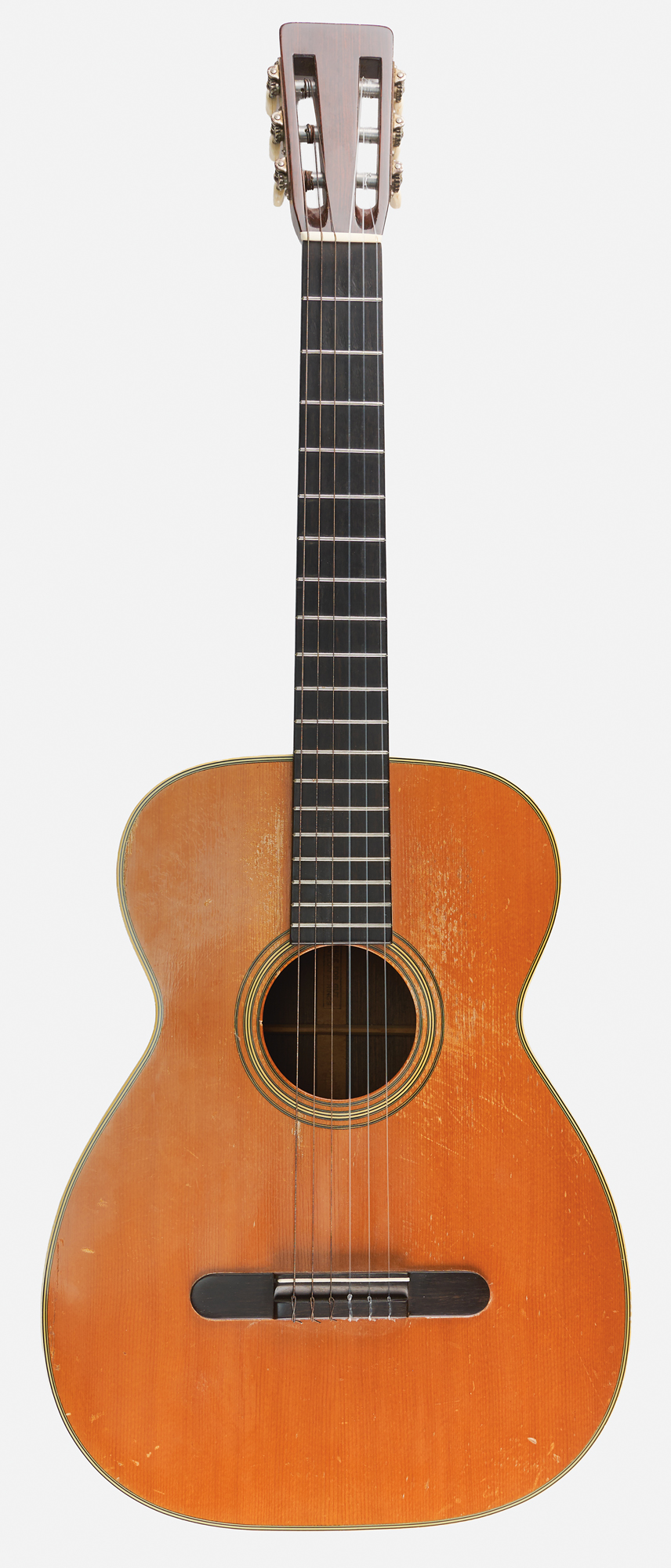
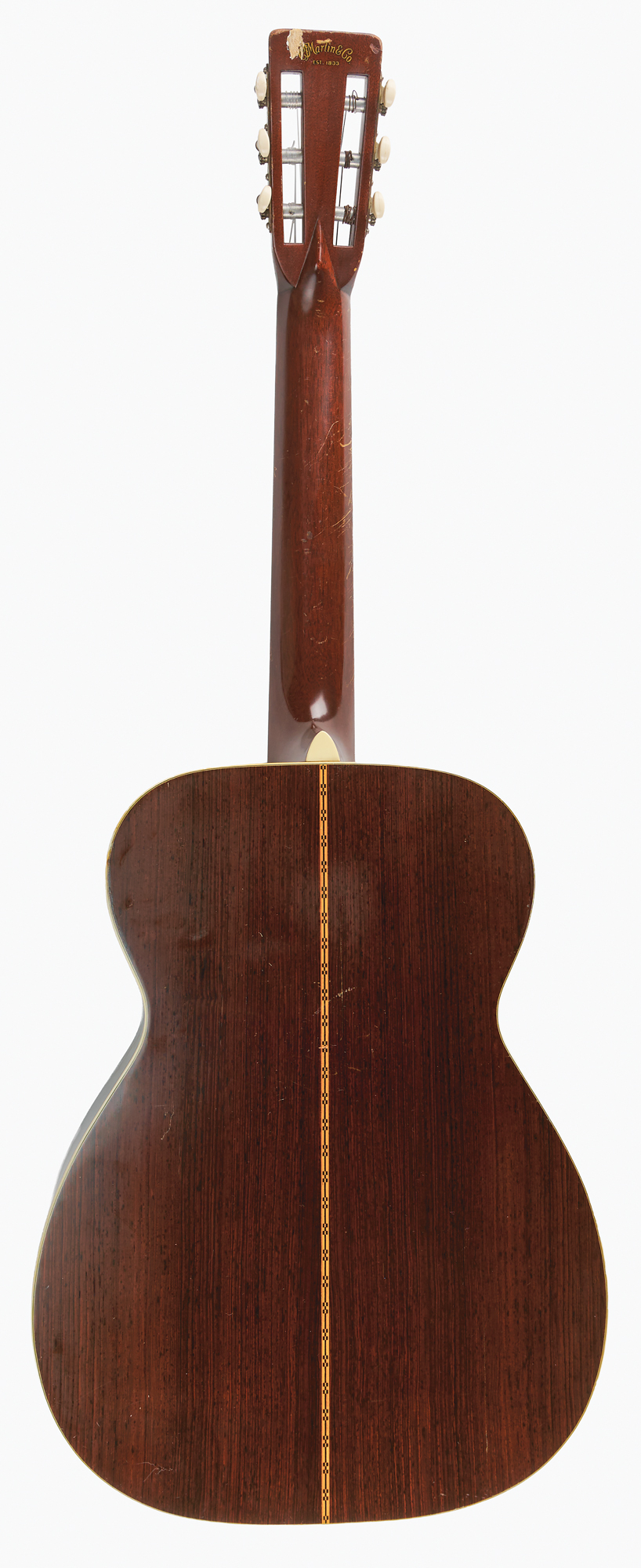
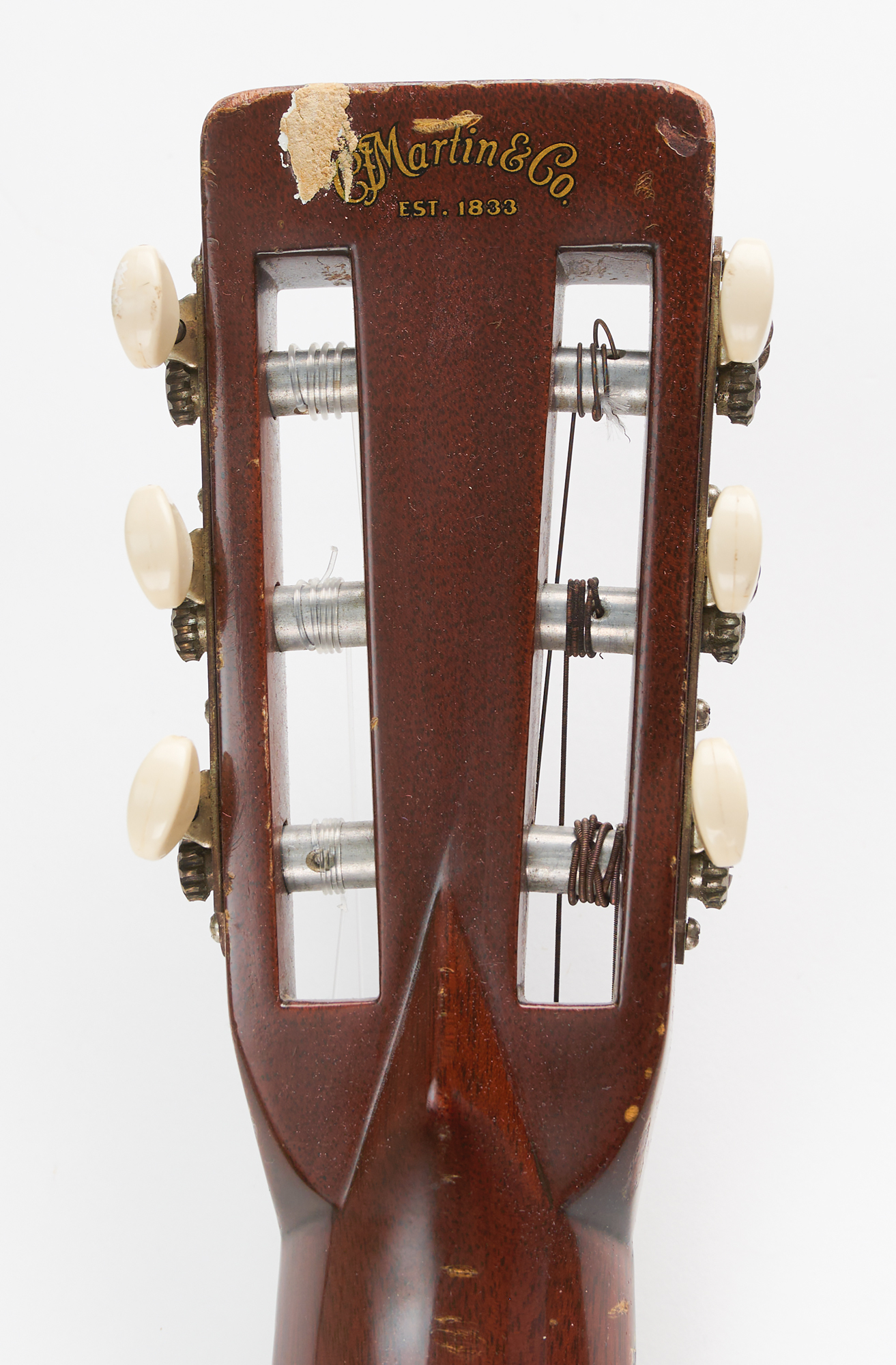
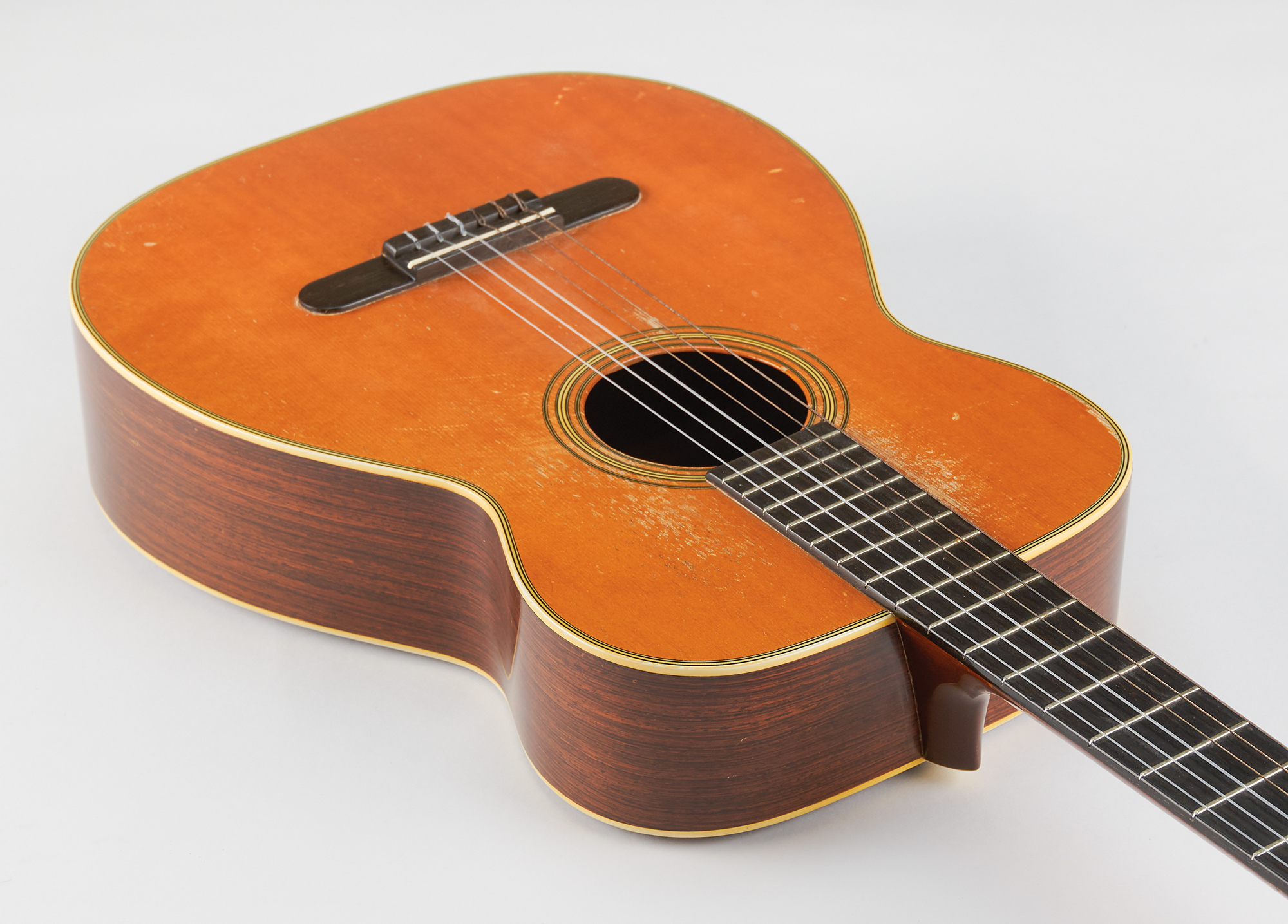
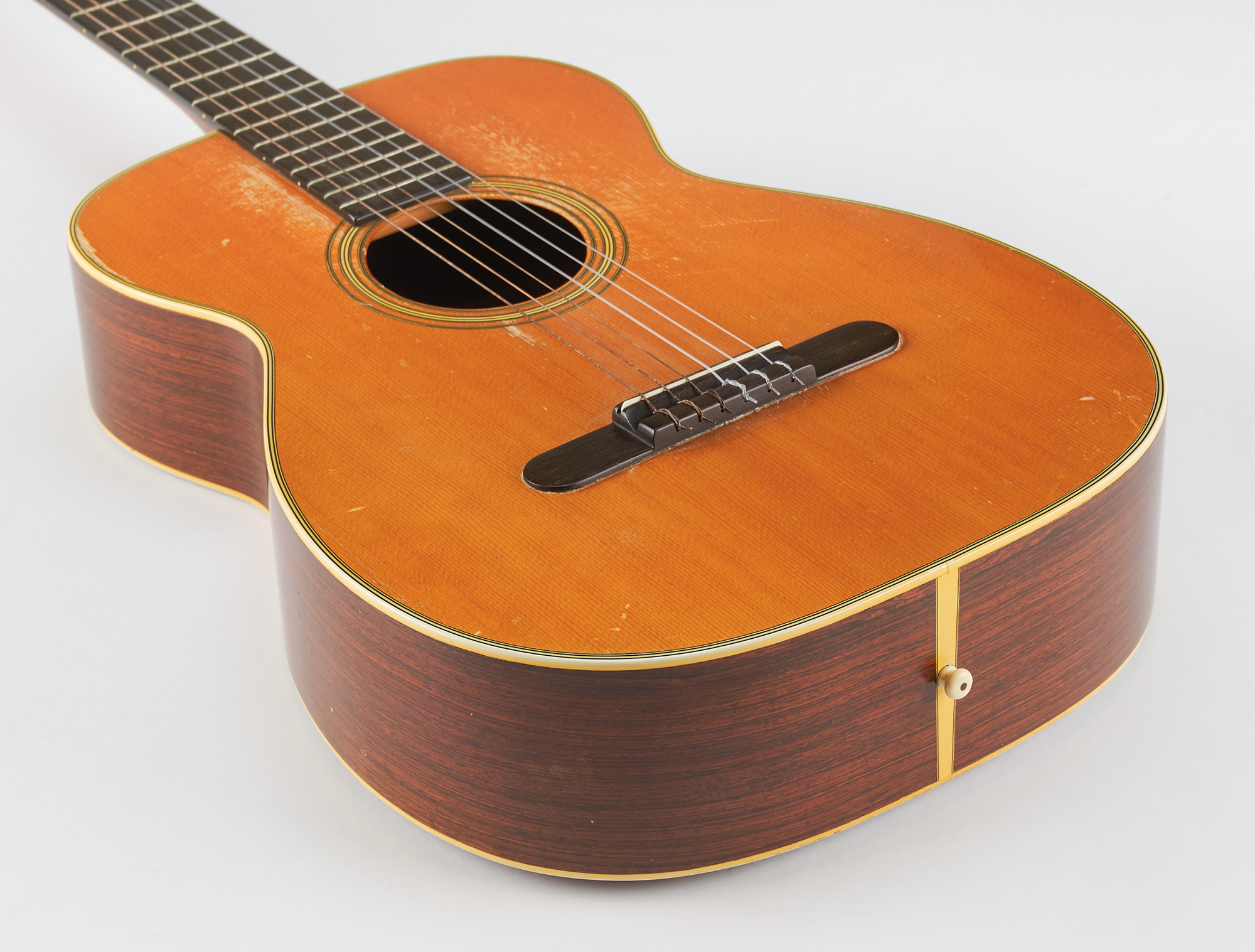
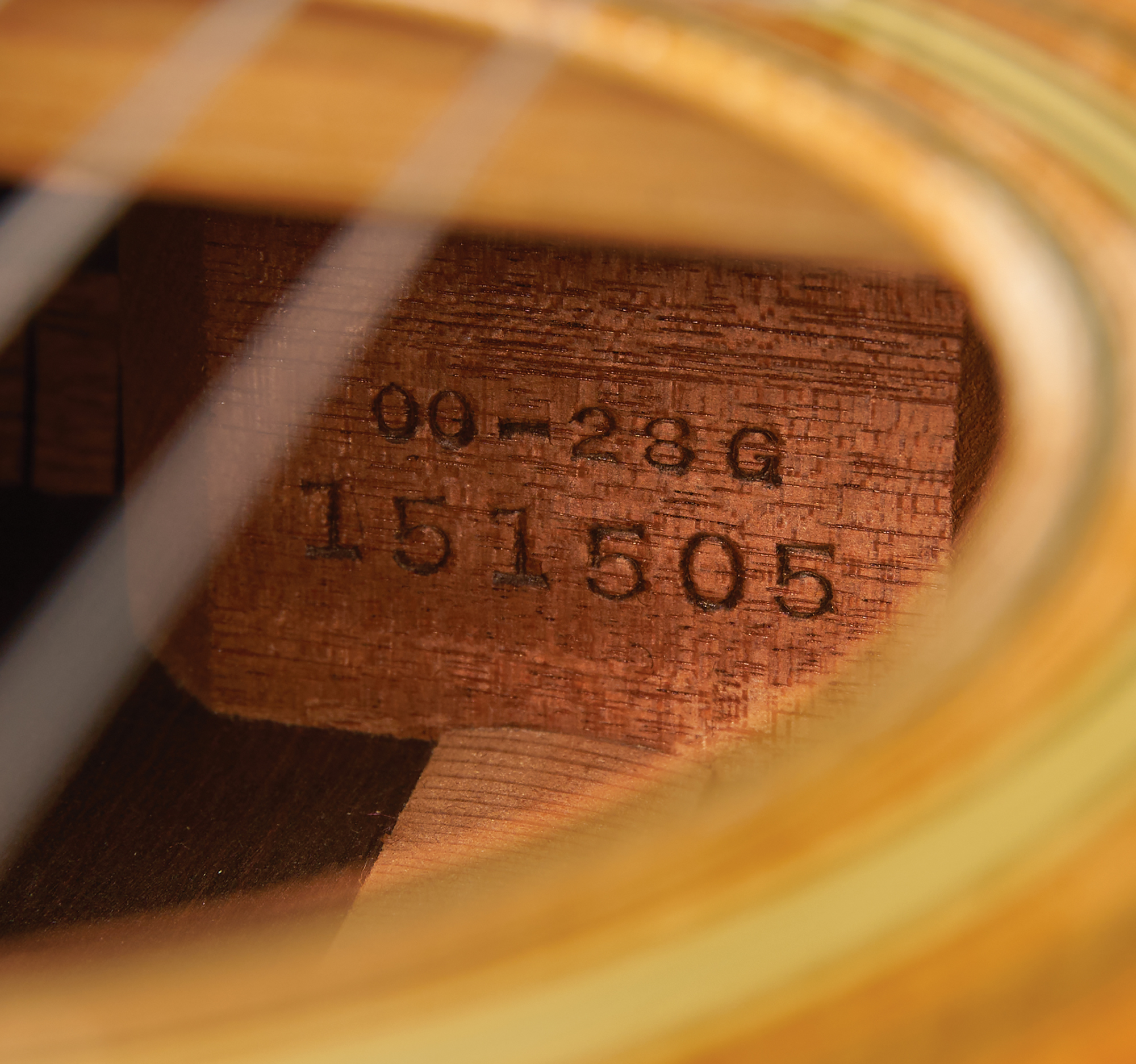
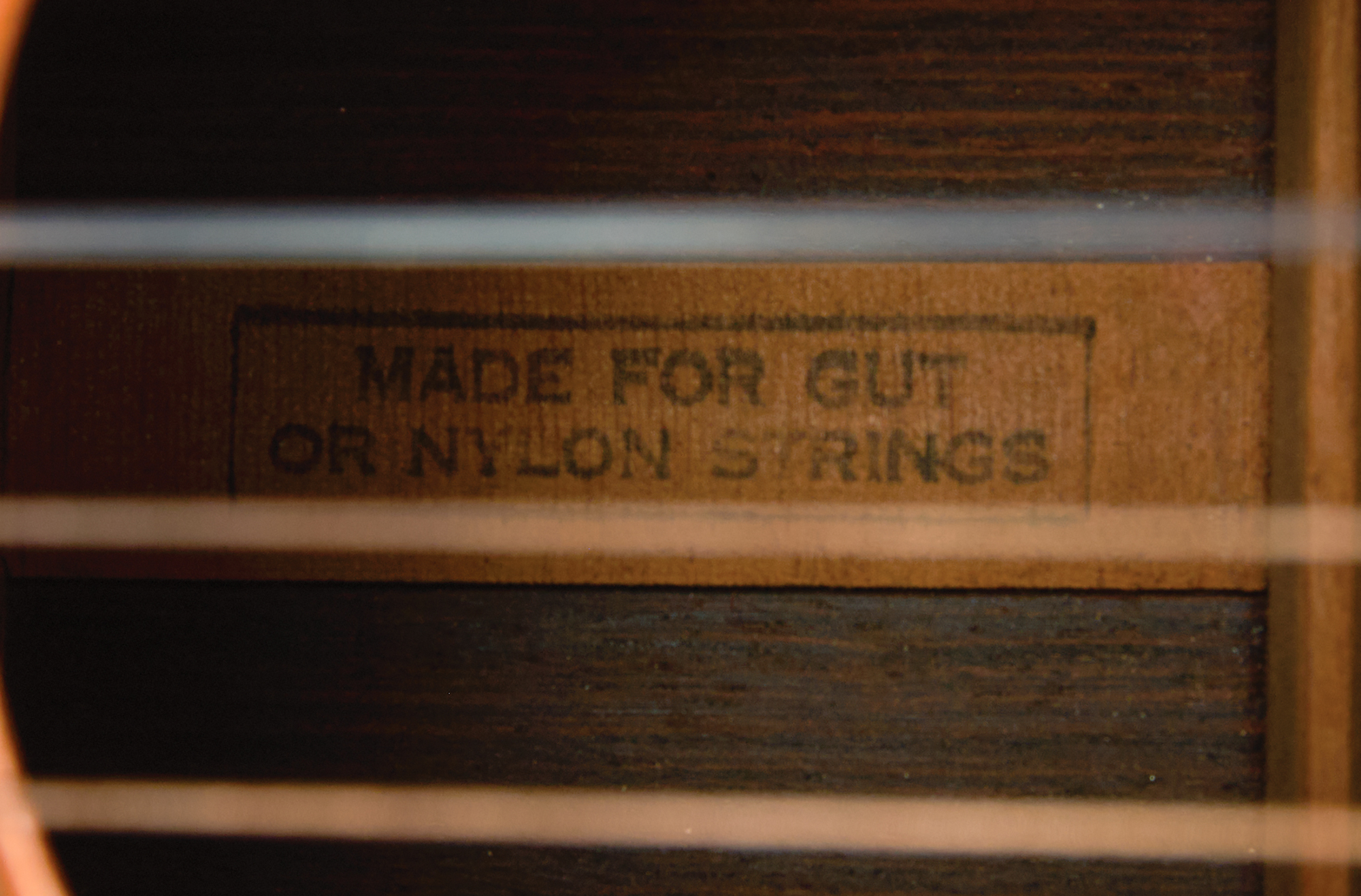
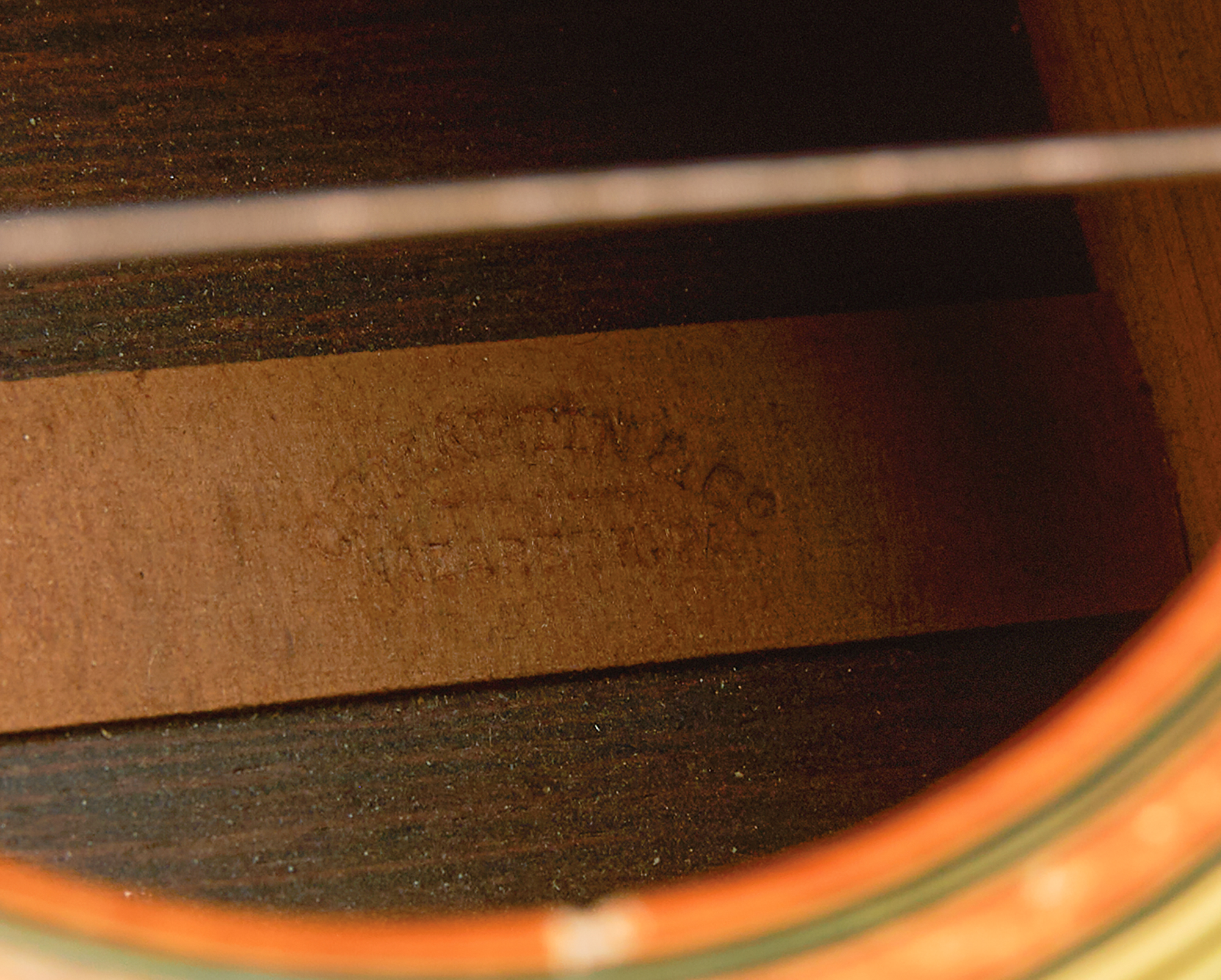
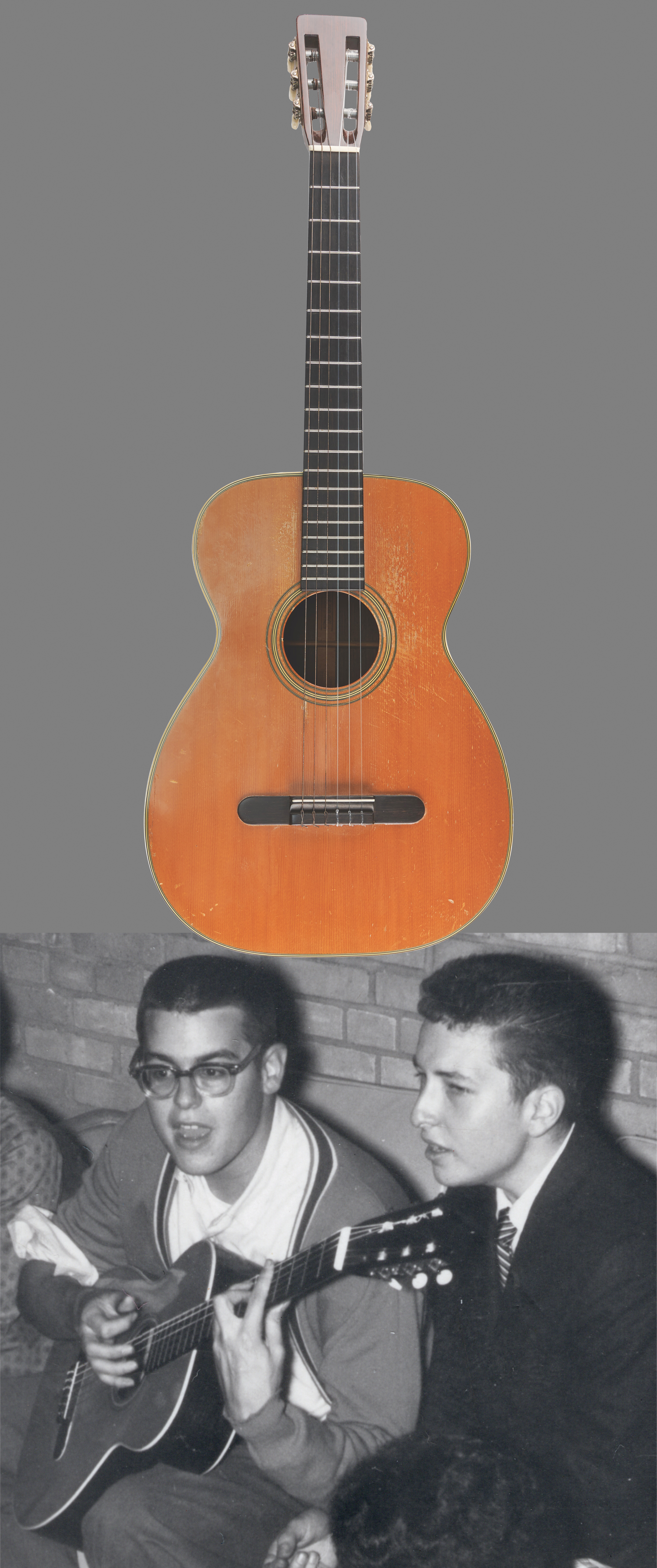
Vintage 1956 Martin 00-28G acoustic guitar played by a young Bob Dylan, then rock and roller Bob Zimmerman, during the free folk guitar lessons its owner, Marvin Karlins, gave at the University of Minnesota in 1959, making it the instrument that ushered him into folk music. The neck block is stamped “00-28G” and “151505.” The guitar has a spruce top, rosewood back and sides with a checkered back strip, white binding, an ebony fingerboard and tie-block bridge, and a slotted headstock with open-gear tuners and white buttons. The headstock bears the decal “C. F. Martin & Co. Est. 1833,” and the interior is stamped “C. F. Martin & Co., Nazareth, PA” and “Made for Gut or Nylon Strings.” Housed in a vintage black hardshell case with a crimson plush lining. In very good condition, with honest playwear throughout, including finish wear to the top around the soundhole and lower bout, scattered scratches and dings to the neck, back, and sides, and adhesive remnants to the headstock decal and edges. Bought new by Karlins in 1956 and owned by him for 70 years.
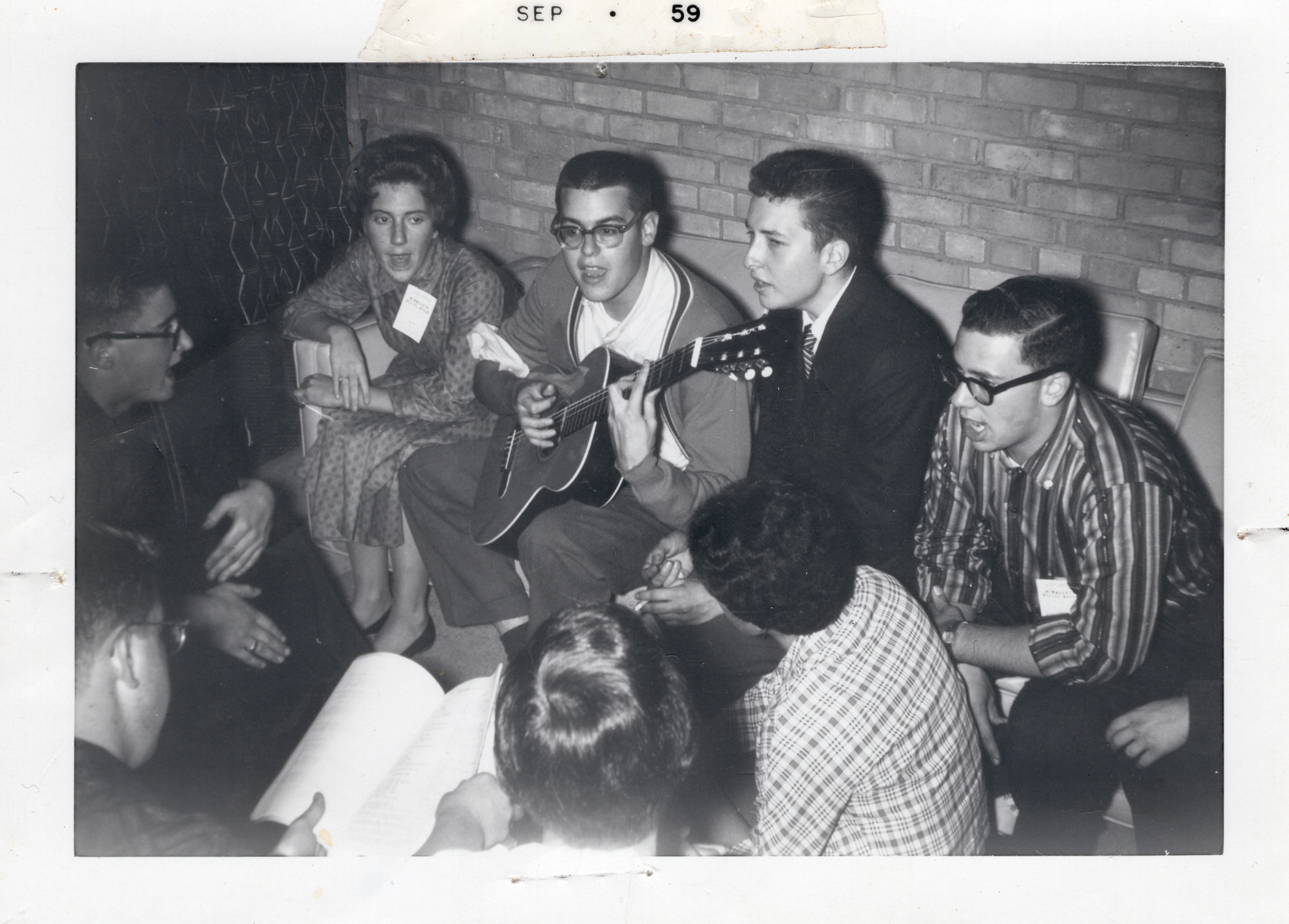
When Bob Zimmerman enrolled at the University of Minnesota in September 1959, he was still a rock and roll kid who had yet to discover folk music. Back in Hibbing he had idolized Little Richard and Elvis Presley and led rock and roll bands of his own. That fall, undergraduate Marvin ‘Marv’ Karlins was giving free folk singing and guitar lessons at the campus Hillel Foundation every Wednesday at 2 p.m. In his accompanying provenance letter, he recalls a newcomer who heard the music, stopped at the classroom door to listen, and stepped inside. Asked to show what he could do, the young musician was handed this guitar and played a rock and roll song, mentioning an association with Bobby Vee. Bob Zimmerman returned for several more sessions, and Karlins recalls the guitar being passed around the class, with Dylan playing it on multiple occasions. When academic demands forced Karlins to end the classes, he pointed Bob toward Dinkytown, a neighborhood bordering campus that, Karlins recalls, the newcomer had never heard of. There, at the Ten O'Clock Scholar coffeehouse, folk singers gathered. It was the last time he saw the future Bob Dylan in person.
The timeline suggests that the folk music Dylan first heard in Karlins' classroom sent him looking for more, and it corroborates his own account in ‘River of Ice,’ the fifth chapter of his 2004 memoir Chronicles: Volume One. Describing his early days in Minneapolis, Dylan writes: “First thing I did was go trade in my electric guitar, which would have been useless for me, for a double-O Martin acoustic. The man at the store traded me even and I left carrying the guitar in its case. I would play this guitar for the next couple of years or so.”
That guitar, a 1949 Martin 00-17 with the same body size as Karlins' 00-28G, is now held by Seattle's Museum of Pop Culture. Dylan then recounts walking into Dinkytown, the very neighborhood Karlins had pointed him toward: “I found the local record store in the heart of Dinkytown. What I was looking for were folk music records and the first one I saw was Odetta on the Tradition label. I went into the listening booth to hear it. Odetta was great. I had never heard of her until then. She was a deep singer, powerful strumming and a hammering-on style of playing. I learned almost every song off the record right then and there, even borrowing the hammering-on style.” He was soon performing folk songs at the Ten O'Clock Scholar. He had walked into Karlins’ classroom an aspiring rock star and, within weeks, walked out a folk singer, and this guitar helped lead him there.
Karlins also describes a classroom photograph showing him holding the guitar with Dylan seated immediately to his right, which he later donated to the Bob Dylan Archives in Tulsa (pictured here for reference only; the photograph is not included in the lot). His account of the lessons appears in Bob Dylan: Mixing Up the Medicine, in the section he identifies as ‘Every Wednesday at 2:00 PM.’ He also recounted the experience in his Psychology Today essay, ‘The Lesson I Learned Teaching Bob Dylan Folk Singing,’ and in a December 2024 WTSP interview marking his 50th year teaching at the University of South Florida.
Accompanied by a two-page letter of provenance from Marvin Karlins identifying this as the guitar Dylan played.

